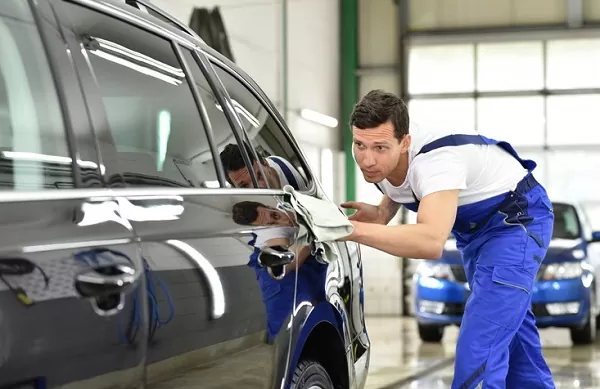
A clean car is easy. A car that looks cared for is a different thing altogether. The gap shows in the paint, the trim, the glass, the wheels, and the way sunlight moves across the surface without exposing lazy work. Good Car Detailing Methods are not about throwing every product you own at the vehicle. They are about order, patience, pressure control, and knowing when to stop before you create new damage.
Across the USA, drivers deal with dust, road salt, pollen, heat, rain spots, bird droppings, brake dust, and drive-through wash marks. That mix can turn a sharp vehicle dull faster than most owners expect. A better finish starts with smarter habits, not louder tools. Many car owners who follow trusted automotive care resources like professional vehicle maintenance insights quickly learn that shine is built in layers. You clean first. You correct carefully. You protect what you fixed. Then you maintain it without undoing the work.
Build the Shine Before You Touch the Paint
Paint damage often starts before the wash mitt ever reaches the door. One dirty towel, one rushed rinse, or one gritty sponge can drag fine particles across clear coat like sandpaper with a smile. That is why the first stage of detailing deserves more respect than most people give it. A vehicle cannot earn showroom shine if the cleaning process keeps adding scratches.
Why the First Rinse Decides the Final Finish
A strong pre-rinse removes the loose grit that causes most wash marks. This is where patience pays. Start at the roof, then work down the glass, hood, doors, bumpers, and rocker panels. Lower panels carry the worst dirt because tires throw road grime upward with every mile.
Pressure matters here. A garden hose works if you move slowly and stay thorough. A pressure washer helps, but only when used with distance and control. Blasting close to trim, badges, sensors, or older paint can cause more trouble than it solves. Clean work is not aggressive work.
The smartest home detailers treat the rinse as a damage-control step. They do not rush it because the soap stage feels more satisfying. A careful rinse gives every later product a cleaner surface to touch, and that one habit separates patient detailing from weekend scrubbing.
How Contact Washing Creates or Prevents Swirls
Contact washing is where many glossy cars lose their gloss. The fix is simple in theory: use clean wash media, proper soap, and separate zones. In practice, most people get impatient halfway through the car and start dragging dirty water across clean paint.
Use one wash mitt for upper panels and another for lower sections. Rinse the mitt often. Work in straight lines instead of circles. Circles make swirl marks easier to see under sunlight, while straight movement keeps any accidental marring less chaotic and easier to correct later.
A pH-balanced car shampoo belongs here, not dish soap. Dish soap can strip wax and dry rubber over time. A quality wash shampoo gives lubrication, which lets dirt release with less friction. The goal is not to scrub the car clean. The goal is to float dirt away before pressure becomes a problem.
Remove Hidden Grime That Steals Gloss
A washed car can still feel rough. That roughness usually comes from bonded contamination: tree sap mist, rail dust, overspray, industrial fallout, and baked-on road film. These particles grip the paint after normal washing and scatter light across the surface. The car may look clean in shade, then dull under direct sun. That is the clue.
When Clay Treatment Makes Paint Feel New Again
Clay treatment works because it pulls bonded debris from the clear coat without cutting into the paint. After washing and rinsing, run clean fingers gently over the hood or roof inside a thin plastic sandwich bag. If the surface feels gritty, clay can help.
Lubrication is non-negotiable. A dry clay bar will grab, skip, and mar the finish. Use a dedicated clay lubricant or a proper wash solution mixed for that purpose. Move the clay in straight passes, check it often, and fold it when the surface gets dirty.
Clay is not a weekly habit. It is a correction prep step. Use it when the paint needs it, usually before polishing or before applying longer-lasting auto paint protection. Overusing clay can add micro-marring, especially on softer paint. The best detailers know restraint is part of the craft.
Why Wheels and Trim Need Separate Tools
Brake dust is not ordinary dirt. It contains metal particles, heat residue, and road grime that can stain wheels if ignored. Using the same towel on paint after cleaning wheels is one of those mistakes that seems harmless until sunlight exposes the damage.
Keep wheel brushes, tire brushes, and paint towels separate. Use a wheel cleaner suited to the finish, whether the wheel is painted, polished, chrome, or matte. Let the cleaner work for a short period, then agitate gently. More pressure does not mean better cleaning.
Trim also needs its own care. Faded plastic can make a clean vehicle look neglected. Clean textured trim with a soft brush, then apply a non-greasy dressing that restores depth without leaving a wet, dust-catching film. A proper detail makes every surface look intentional, not shiny for the sake of shine.
Correct the Finish Without Chasing Perfection
Polishing is where car owners get tempted to overdo it. A machine polisher can make paint look incredible, but it can also thin clear coat when used carelessly. The point is not to erase every tiny flaw on a daily driver. The point is to improve clarity while preserving the finish for years of washing, driving, and weather.
How Polishing Brings Back Showroom Shine
Polishing removes or softens fine defects that block reflection. Light scratches, oxidation, water spot haze, and wash marks can make paint look tired even after a perfect wash. A mild polish restores depth by smoothing the surface so light reflects cleanly again.
Start with the least aggressive method. Use a finishing polish before reaching for heavier compounds. Test one small area first, then inspect it in direct light. If the test spot looks better, repeat that process across the vehicle with steady arm speed and moderate pressure.
Heat is the hidden danger. Staying too long on one panel edge or body line can damage paint faster than expected. Keep the pad clean, use enough product, and avoid dry buffing. Polishing rewards calm hands. It punishes ego.
Why Protection Must Follow Paint Correction
Freshly polished paint looks alive because the surface is clean and clear. Leave it unprotected, though, and weather begins attacking it right away. UV exposure, rain minerals, road film, and bird droppings do not wait for a convenient weekend.
Wax gives warmth and an easy gloss, but it usually needs more frequent reapplication. Paint sealants last longer and handle daily driving well. Ceramic coating care requires more prep and discipline, but it can offer strong chemical resistance and easier washing when maintained correctly.
Auto paint protection is not a magic shield. It buys time. Bird droppings, bug splatter, and hard water still need quick removal. A protected car is easier to clean, not immune from neglect. That difference matters because false confidence ruins finishes.
Make the Interior Match the Exterior
A glossy exterior loses its charm when the cabin feels dusty, sticky, or stale. The inside of a car carries coffee spills, sunscreen, pet hair, fast-food crumbs, gym bags, and whatever the weather dragged in. Clean paint gets attention from strangers. A clean interior changes how the owner feels every time the door opens.
What Interior Car Cleaning Gets Wrong Most Often
Interior car cleaning fails when people treat every surface the same. Leather, vinyl, piano-black plastic, fabric, carpet, screens, and rubber mats all react differently. One harsh cleaner can dry leather, haze screens, or leave shiny residue across the dashboard.
Vacuum first, always. Dust and grit act like abrasives when wiped across soft surfaces. Use soft brushes for vents, seams, stitching, and seat creases. Work from top to bottom so loosened dust falls where the vacuum can catch it.
A damp microfiber towel often beats heavy chemical use. For touchpoints such as steering wheels, shifters, armrests, and door pulls, use a cleaner made for interior materials and wipe away residue fully. The cabin should feel clean, not slick. Slick surfaces collect dust and make the car feel cheaper than it is.
How Glass, Scent, and Small Details Change Everything
Glass exposes lazy detailing faster than almost any surface. Streaks, foggy film, and missed corners become obvious when headlights hit the windshield at night. Use a dedicated glass towel and clean the inside windshield in overlapping passes. Change towels when they become damp instead of smearing residue around.
Scent should come from cleanliness, not perfume. Heavy air fresheners often hide damp carpet, old food crumbs, or dirty cabin filters. Remove the source first. Then use a light scent if you want one. A car that smells neutral feels more expensive than one fighting itself with fake fragrance.
Small details finish the job. Clean seat rails, cup holders, door jambs, fuel doors, pedals, mirror edges, and trunk channels. These spots do not shout, but they whisper. When they are clean, the entire car feels better built.
Maintain the Finish After the Big Detail
The first full detail is the hard reset. Maintenance is where the vehicle either keeps its shine or slides back into dullness. Most cars do not need constant correction. They need consistent, gentle care that avoids undoing the work already done.
Why Weekly Habits Beat Occasional Rescue Jobs
A light weekly wash beats a harsh monthly rescue. Dirt gets harder to remove the longer it sits, especially under heat. Bird droppings and bug residue can etch clear coat quickly, so waiting for a full wash day can cost more than five minutes of spot cleaning.
Keep a small kit ready: microfiber towels, rinseless wash solution, glass cleaner, interior towel, tire dressing applicator, and a soft brush. The easier the kit is to reach, the more likely you are to use it. Detailing discipline often comes down to removing excuses.
Ceramic coating care also depends on maintenance washes. Use coating-safe shampoo, avoid abrasive towels, and skip automatic brush washes. Even strong coatings can get clogged with road film. A simple decontamination wash from time to time can restore slickness and water behavior without heavy polishing.
How Seasonal Driving Changes the Detailing Plan
American driving conditions shift hard by region. A car in Arizona fights sun and dust. A car in Michigan fights road salt. A car in Florida fights humidity, rain, and tree debris. A single routine cannot serve every climate with equal success.
Winter demands underbody rinsing, wheel cleaning, rubber mat care, and stronger protection before the first salt storm. Spring calls for pollen removal and bonded grime checks. Summer requires UV protection for paint, trim, leather, and dashboard surfaces. Fall is the right time to prepare before cold weather makes washing harder.
Interior car cleaning also changes with the season. Winter carpets trap moisture and salt. Summer seats collect sweat and sunscreen. Pet owners deal with hair year-round, but shedding seasons make it worse. A smart routine follows the life the car actually lives, not a perfect schedule printed on a product label.
Conclusion
A vehicle with lasting gloss is not the result of one lucky Saturday. It comes from doing the right jobs in the right order and refusing to rush the parts nobody sees. Wash safely. Remove bonded grime. Polish with restraint. Protect the finish. Keep the cabin honest. That rhythm turns car care from a chore into a system.
Car Detailing Methods work best when they respect the material in front of them. Paint needs lubrication. Wheels need separation. Glass needs clean towels. Interiors need the right cleaner for the right surface. None of this is complicated, but it does demand attention.
The reward is bigger than shine. A well-detailed vehicle feels better to drive, holds pride longer, and resists the slow fade that makes cars look older than they are. Start with one careful wash, build from there, and let every clean panel prove the point.
Frequently Asked Questions
What are the best car detailing steps for beginners?
Start with a full rinse, safe hand wash, wheel cleaning, gentle drying, interior vacuuming, glass cleaning, and paint protection. Avoid polishing until you understand the paint condition. A careful basic routine gives better results than using advanced products in the wrong order.
How often should I detail my car for showroom shine?
A full detail every three to six months works for many daily drivers, while weekly or biweekly maintenance washes keep the finish from declining. Cars exposed to road salt, strong sun, trees, or heavy commuting may need more frequent care.
Is ceramic coating better than wax for daily drivers?
Ceramic coatings usually last longer and resist road film better than wax, but they require better prep and careful washing. Wax is easier to apply and refresh. Daily drivers benefit from ceramic protection when the owner commits to proper maintenance.
Can I polish my car without damaging the paint?
Safe polishing depends on using the least aggressive polish, clean pads, controlled pressure, and short working times. Beginners should test a small area first. Damage usually happens when people chase perfection, overheat edges, or use harsh compounds too often.
What causes swirl marks after washing a car?
Swirl marks usually come from dirty towels, rough wash mitts, automatic brush washes, poor rinsing, or circular wiping on dusty paint. The best prevention is clean microfiber, proper lubrication, straight-line washing, and separate tools for dirty lower panels.
How do I clean car interiors without leaving greasy residue?
Vacuum first, then use material-safe cleaners with microfiber towels and soft brushes. Apply product lightly and wipe away excess. Dashboards, steering wheels, and touchscreens should feel dry and natural after cleaning, not shiny, slippery, or coated.
What is the safest way to dry a car after washing?
Use clean, plush microfiber drying towels or a car-safe blower. Pat or glide gently instead of dragging pressure across the paint. Drying aids can add lubrication and reduce towel friction, which helps prevent fresh marks after a clean wash.
Do automatic car washes ruin vehicle paint?
Brush-style automatic washes can create fine scratches because the equipment often carries grit from previous vehicles. Touchless washes are safer for paint but may use stronger chemicals. Hand washing with clean tools remains the better option for long-term finish care.