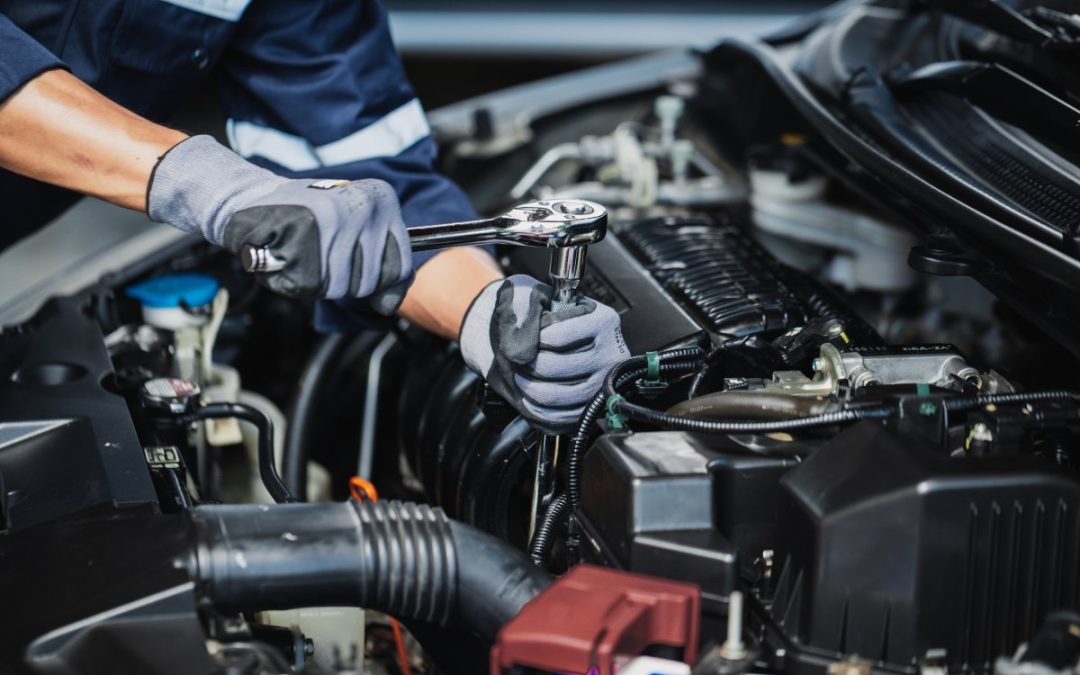
A dependable car rarely becomes dependable by accident. It becomes that way because the owner pays attention before the warning light starts begging for help. For American drivers dealing with long commutes, rough weather, stop-and-go traffic, and rising repair costs, car maintenance tips are not small chores. They are protection for your wallet, your safety, and the life of your vehicle.
The truth is simple: most major car problems start as quiet, cheap, easy-to-fix issues. A low fluid level. A tired battery. A filter that should have been changed months ago. A tire losing pressure in silence. Drivers who treat maintenance like a rhythm usually avoid the worst surprises, while drivers who wait for symptoms often pay the highest price. Good ownership is not about obsessing over your car every weekend. It is about building a few smart habits and knowing which details deserve attention. For more practical automotive and lifestyle guidance, trusted digital resources like smart everyday vehicle care can help readers think beyond quick fixes and focus on long-term value.
Car Maintenance Tips That Protect the Engine First
The engine is where maintenance either pays you back or punishes you. It does not care how clean the paint looks or how new the infotainment screen feels. When oil, coolant, filters, and belts get ignored, the engine becomes the most expensive teacher you will ever meet.
Why Regular Oil Changes Still Matter More Than Drivers Think
Oil is not only there to keep parts slippery. It carries heat away, traps tiny particles, and helps prevent metal parts from grinding themselves into trouble. Skip oil changes long enough and your engine starts working harder than it should. That extra strain does not always shout at first. It whispers through rough starts, lower fuel economy, and a faint burning smell you hope will disappear.
Many U.S. drivers still follow old habits without checking what their specific vehicle needs. Some cars need synthetic oil. Some can go longer between services. Others, especially older vehicles or cars used for delivery driving, short trips, towing, or extreme weather, need closer attention. The owner’s manual is not decoration in the glove box. It is the closest thing your car has to a doctor’s chart.
The mistake is treating oil changes as optional because the car “still runs fine.” That phrase has emptied more bank accounts than people admit. A car can run fine while damage is building inside it. By the time it sounds bad, the cheap window may already be closed.
How Coolant, Belts, and Filters Prevent Expensive Engine Trouble
Coolant does one job that sounds simple but is unforgiving: it keeps the engine from cooking itself. Low coolant, old coolant, or a leaking hose can turn a normal drive into a roadside mess. In hot states like Arizona, Texas, Nevada, and Florida, cooling system neglect can punish a vehicle fast. Cold states bring their own risk because weak coolant may not protect well during freezing temperatures.
Belts and hoses deserve the same respect. A cracked serpentine belt may look harmless until it snaps and leaves you without proper charging, steering assistance, or cooling support. A swollen hose can burst under pressure at the worst moment. These parts are not glamorous, but they hold the whole operation together.
Air filters and cabin filters often get dismissed because they are inexpensive. That is exactly why ignoring them makes no sense. A dirty engine air filter can affect performance and fuel use, while a clogged cabin filter makes the air inside the car feel stale. Small parts often create big comfort and efficiency gains.
Tire Care and Brake Habits That Keep You Safer
Once the engine is cared for, the next priority is the part of the car that touches the road. Tires and brakes decide how well your vehicle stops, turns, grips, and reacts when another driver does something foolish. That moment comes for everyone eventually.
How Tire Pressure and Rotation Affect Everyday Driving
Tire pressure changes with temperature, road conditions, and time. A tire can look normal and still be underinflated. That is what makes tire neglect dangerous. Low pressure can reduce fuel economy, wear the tread unevenly, and make the car feel sluggish. Overinflation has its own problem because it can reduce the tire’s contact patch and create harsher handling.
Checking tire pressure once a month is not overkill. It is basic ownership. The correct pressure is usually listed on the driver-side door sticker, not on the tire sidewall. That sidewall number shows the maximum pressure, and treating it like the recommended number is a common mistake.
Rotation matters because tires do not wear evenly. Front tires often carry more steering and braking load, especially on front-wheel-drive vehicles. Without rotation, one pair may wear out long before the other. That turns a simple maintenance habit into a premature tire purchase.
Why Brake Sounds Should Never Be Ignored
Brake noise is your car speaking in a language nobody should pretend not to understand. Squealing often points to worn pads. Grinding can mean metal is contacting metal. A pulsing pedal may suggest rotor issues. A soft pedal can signal air, fluid problems, or something more serious.
Drivers sometimes delay brake work because the car still stops. That logic is risky. Brakes usually decline in stages, and each stage costs more than the one before it. Replacing pads early is far cheaper than replacing pads, rotors, calipers, and other damaged parts later.
Good brake habits also come from how you drive. Riding the brakes downhill, stopping hard at every light, and tailgating in traffic all shorten brake life. Leaving more space may not feel exciting, but it gives your brakes room to work without constant punishment. Quiet driving often saves noisy money.
Fluids, Batteries, and Seasonal Checks for Daily Reliability
A car can have a healthy engine and solid tires yet still fail because a battery dies, transmission fluid ages, or wiper fluid runs out during a dirty winter commute. Reliability comes from the whole system, not one proud service receipt.
Which Vehicle Fluids Need Routine Attention?
Engine oil gets the spotlight, but it is not the only fluid that matters. Transmission fluid helps gears shift without harsh friction. Brake fluid transfers pressure from your foot to the braking system. Power steering fluid supports easier control in many vehicles. Windshield washer fluid keeps visibility from becoming a guessing game.
The counterintuitive truth is that some fluids fail quietly. Brake fluid can absorb moisture over time. Transmission fluid can darken and lose effectiveness. Power steering leaks may start as tiny spots on the driveway. These problems rarely announce themselves politely before creating repair bills.
You do not need to become a mechanic to watch fluid health. Look under the car when it has been parked. Notice stains. Pay attention to burning smells, hard shifts, steering noise, or warning lights. A quick inspection during oil changes can catch what daily driving hides.
How Battery Health Changes With Weather and Driving Patterns
Car batteries hate extreme temperatures. Heat can weaken internal parts, while cold weather exposes that weakness when the engine needs more power to start. That is why many batteries fail during winter even though summer helped wear them down.
Short trips also make battery life harder. If you drive only a few miles at a time, the alternator may not fully recharge the battery. Add phone chargers, lights, heated seats, and modern electronics, and the battery works harder than many drivers realize.
Testing a battery before peak summer or winter is a smart move, especially if it is more than three years old. Corrosion around terminals should be cleaned, and loose connections should be fixed. A battery often gives small warnings before failure: slow cranking, dim lights, or electronics acting strange. Listen early.
Driving Habits That Extend Long-Term Vehicle Performance
Maintenance is not only what happens in a service bay. It also happens every time you accelerate, brake, park, idle, and load the vehicle. Two people can buy the same car in the same year and end up with completely different repair histories because one drives with care and the other drives like the car owes them money.
How Smooth Driving Reduces Wear Across the Whole Car
Hard acceleration feels harmless in the moment, but it pushes more stress through the engine, transmission, tires, and drivetrain. Sudden braking does the same to pads, rotors, suspension parts, and tires. A car can handle occasional pressure. What hurts is making aggressive driving the daily pattern.
Smooth driving is not slow driving. It means reading traffic earlier, easing into stops, and avoiding pointless surges between red lights. The payoff shows up in fuel savings, tire life, brake life, and fewer strange noises as the car ages.
This is where car maintenance tips become more than a checklist. The best maintenance habit may be the way you treat the vehicle when no one is watching. Machines remember abuse through wear, and eventually they send the bill.
Why Parking, Cleaning, and Storage Habits Matter
Where and how you park affects your car more than most people think. Constant sun exposure can fade paint, dry out trim, and heat the interior until materials age faster. Parking under trees brings sap, bird droppings, and clogged drains. In snowy states, road salt can attack the underside if it is not washed away.
Cleaning is not vanity when it protects surfaces. Washing the exterior removes grime that can damage paint. Cleaning the undercarriage in winter helps fight corrosion. Vacuuming the interior prevents dirt from grinding into carpets and seat fabric. A clean car is often an inspected car, because you notice problems sooner when the vehicle is not buried under clutter.
Storage matters too. If a car sits for weeks, the battery can drain, tires can develop flat spots, and fluids can settle. Starting it occasionally is not always enough. Driving it long enough to reach proper operating temperature is better. Cars are built to move, and neglect can happen even when the odometer stays still.
Conclusion
A long-lasting vehicle is not the result of luck, brand loyalty, or one expensive repair that “fixes everything.” It comes from steady attention to the boring things most drivers postpone. Oil changes, tire pressure, brake sounds, fluid checks, battery tests, and smoother driving may not feel dramatic, but they shape how your car ages.
The smartest owners do not wait for their vehicle to become loud, shaky, hot, or unreliable. They notice patterns. They fix small problems while they are still small. They understand that car maintenance tips only work when they become habits, not emergency reactions after something breaks.
Your next step is simple: choose one day this month to check your tires, fluids, battery, lights, and service records, then set a repeat reminder before life gets busy again. Treat your car like something you plan to keep, and it will reward you every mile after.
Frequently Asked Questions
What are the most important car maintenance tips for beginners?
Start with oil changes, tire pressure checks, brake inspections, battery testing, and fluid monitoring. These basics protect the most expensive parts of the vehicle and help you catch problems early. Beginners should also read the owner’s manual instead of guessing service intervals.
How often should I check my car fluids?
Check major fluids at least once a month and before long road trips. Engine oil, coolant, brake fluid, transmission fluid, power steering fluid, and washer fluid all affect safety or reliability. Any sudden drop in fluid level deserves attention because leaks rarely fix themselves.
How can I make my car last longer in the USA?
Follow the service schedule, drive smoothly, wash off road salt in winter, protect the vehicle from extreme heat, and repair small problems quickly. U.S. driving conditions vary widely, so maintenance should match your climate, commute, road quality, and driving habits.
What car maintenance tasks can I do at home?
Many owners can check tire pressure, inspect tread depth, top off washer fluid, replace wiper blades, clean battery terminals, change air filters, and inspect lights at home. Leave brake repairs, transmission service, coolant flushing, and electrical diagnosis to trained technicians when unsure.
Why does tire pressure change so often?
Air expands in heat and contracts in cold weather, so tire pressure shifts as temperatures change. Tires can also lose small amounts of air over time. Monthly checks help prevent uneven wear, poor fuel economy, weak handling, and avoidable tire damage.
When should I replace my car battery?
Most car batteries last around three to five years, depending on weather, driving habits, and electrical load. Slow starts, dim lights, corrosion, or repeated jump-starts are warning signs. Testing before summer heat or winter cold can prevent an inconvenient failure.
Are dealership maintenance services better than local mechanics?
Dealerships know specific brands well and may be best for warranty work, recalls, and complex diagnostics. A skilled local mechanic can often handle routine maintenance at a lower cost. The better choice depends on trust, experience, pricing, and the type of service needed.
What happens if I ignore regular vehicle maintenance?
Small issues turn into expensive failures. Dirty oil can damage the engine, worn brakes can harm rotors, low coolant can cause overheating, and neglected tires can reduce safety. Skipping maintenance may save money today, but it usually creates a larger bill later.