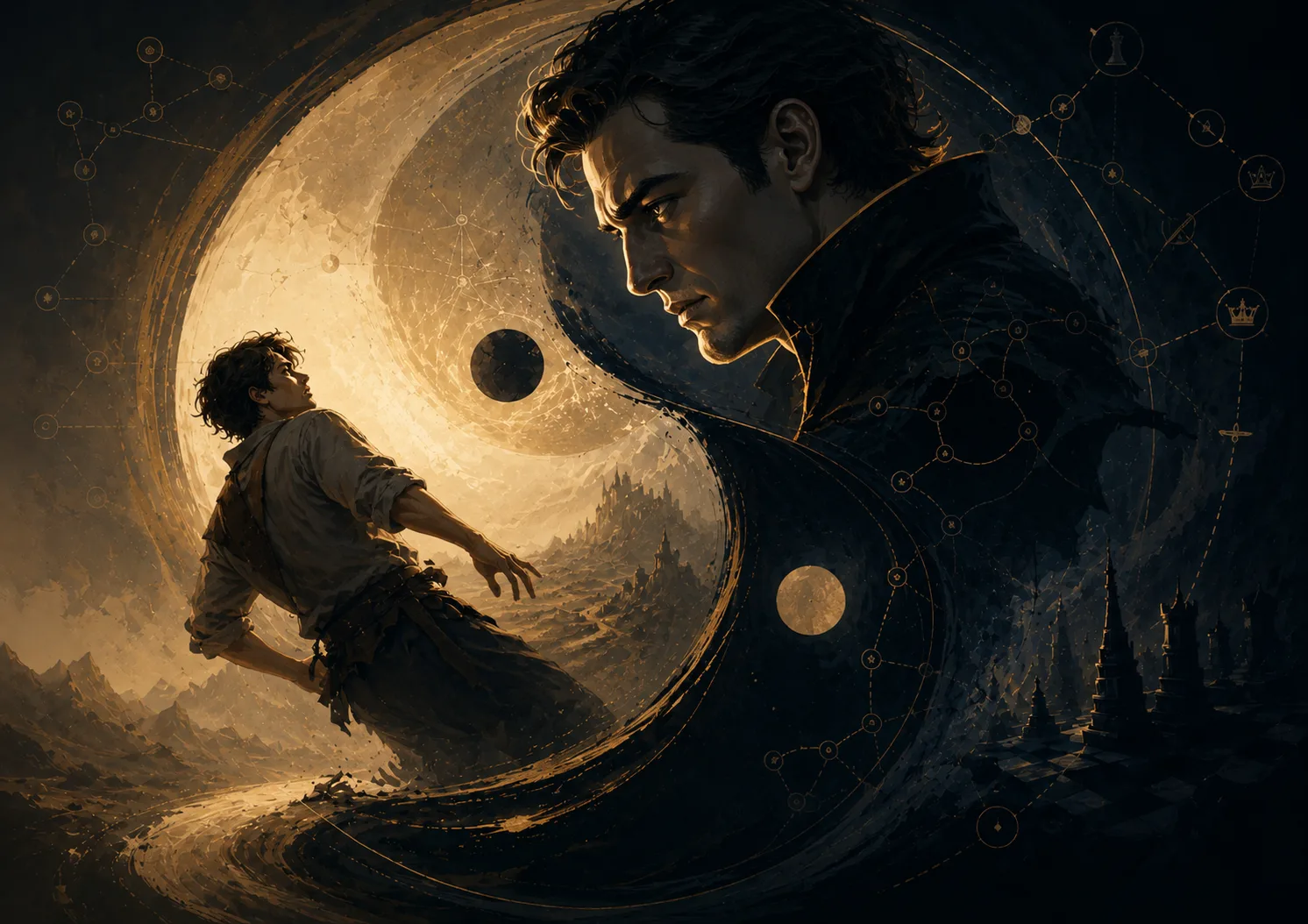
A weak villain can flatten a great plot in three pages. Readers may forgive a slow opening or a messy subplot, but they rarely forgive an opponent who feels like cardboard with a weapon. Building memorable antagonists means giving the story’s pressure a human pulse, even when the antagonist is cruel, cold, or wrong. American fiction readers, from thriller fans in Chicago to fantasy readers in Oregon, want conflict that feels personal enough to follow and sharp enough to hurt. That is why writers who study strong narrative positioning often learn one lesson fast: the antagonist is not decoration. The antagonist is the force that proves whether the hero’s desire has weight.
The best antagonist does not exist to sneer in doorways. They expose the hero’s weak spots, force hard choices, and make every victory cost something. When the opponent has a belief system, a wound, a goal, and a method that makes sense, the story stops feeling arranged. It starts feeling contested. That is where fiction gains heat.
Why Memorable Antagonists Create Stronger Story Pressure
An antagonist earns attention by making the hero’s path narrower, riskier, and more revealing. A bank robber in a crime novel may create danger, but a former friend turned rival creates pressure because every move carries history. Strong opposition does not only block action. It changes what the main character must admit about themselves.
How villain motivation turns conflict into belief
A shallow villain wants power because the plot needs danger. A stronger one wants power because they believe weakness ruined their life once, and they will never be that exposed again. That kind of villain motivation gives every scene a hidden argument. The reader may reject the antagonist’s choices, but they can still see the logic behind them.
Take a small-town legal thriller set in rural Georgia. The antagonist might be a county judge who buries evidence to protect his family name. On paper, he is corrupt. On the page, he is more than that. He believes public shame destroys generations, and he has built his whole identity around keeping disgrace outside the courthouse doors.
That belief makes him harder to dismiss. His actions are ugly, yet his fear has roots. Readers lean in because they are watching two moral systems collide, not one good person dodging one bad person.
Why character opposition must feel personal
The strongest character opposition hits the hero where they are least prepared. A detective who prides herself on logic should face someone who manipulates emotion. A shy young poet should face an editor who rewards performance over truth. A retired soldier should face a conflict where discipline makes the damage worse.
Personal opposition does not always require a shared past. It requires a targeted threat. The antagonist should press on the hero’s private flaw, public mask, or buried desire. That pressure gives scenes a second layer beneath the visible action.
A counterintuitive truth sits here: the antagonist does not need more page time to feel bigger. They need better aim. One scene where the opponent names the hero’s fear can do more than five scenes of threats, fights, or speeches.
Giving the Antagonist a Moral Center Without Excusing Harm
A moral center does not make a villain good. It makes the villain readable. Readers do not need to agree with the antagonist, but they need to sense that the antagonist wakes up believing their choices belong to a pattern. Without that inner order, the character becomes noise with a name.
When story stakes grow from a distorted value
Story stakes rise when the antagonist values something real in a damaged way. Protection can become control. Justice can become revenge. Loyalty can become silence. Love can become ownership. These twisted values work because readers recognize the clean version before they see the rot.
Consider a domestic suspense novel set in suburban Texas. The antagonist may be a mother who invades her adult daughter’s life, not because she hates her, but because she believes danger waits outside every door. Her fear may come from a past loss. Her methods still harm everyone around her.
That gap between value and behavior creates discomfort. The reader knows care can become captivity. The story gains force because the antagonist’s wrongness grows out of something painfully familiar.
How to avoid the cartoon villain trap
A cartoon villain explains themselves through cruelty alone. They enter scenes to create trouble, then vanish until the plot needs another shove. This pattern drains tension because the reader learns there is nothing to understand. Badness becomes the whole design.
A stronger antagonist has limits. They may refuse to harm children. They may tell the truth when lies would help. They may keep promises to people inside their circle. These limits do not redeem them, but they make them feel governed by something beyond chaos.
That matters because real fear often comes from order, not madness. A villain with rules can be more frightening than one without them. The reader starts asking not “What random thing will happen next?” but “What will this person do when their rule and their desire clash?”
Building Memorable Antagonists Through Scene Behavior
A character becomes real through behavior under pressure. Backstory can explain an antagonist, but scene choices prove them. Writers often spend pages inventing childhood wounds, then forget to let the antagonist make sharp, specific decisions in the present. Readers remember action.
What should an antagonist reveal in their first major scene?
A first major scene should reveal appetite, method, and boundary. Appetite shows what the antagonist wants. Method shows how they go after it. Boundary shows what they will or will not do to get it. When those three pieces appear early, the reader understands the shape of danger.
In a New York publishing drama, an antagonist editor might reject a young writer’s manuscript in public, then privately offer help with cruel strings attached. The appetite is control over talent. The method is humiliation mixed with reward. The boundary may be professional polish; she never shouts, never loses face, never leaves fingerprints.
That kind of entrance tells the reader how to watch her. She does not need a long monologue. Her behavior carries the threat.
How dialogue exposes hidden power
Antagonist dialogue should not sound like a villain audition. Threats often weaken a scene when they say too much. Better dialogue shifts power through implication, selective honesty, and pressure placed on what the hero refuses to say.
A sheriff in a Montana mystery might tell the hero, “Your father knew when to stop asking questions.” The line is calm, but it carries history, warning, and insult. It also invites the hero to react badly. That is strong dialogue because the antagonist is not filling air. He is setting a trap.
The unexpected lesson is this: the scariest antagonist may speak less than everyone else. Silence can become control when the reader knows the character is measuring the room. A quiet pause before one sentence can do more than a page of menace.
Making the Final Conflict Feel Earned
The ending only lands if the antagonist has shaped the journey from the inside. A final clash should not feel like the writer scheduled a fight. It should feel like the only place these two forces could end up after all their choices, refusals, and lies.
Why the hero must learn from the antagonist
A strong antagonist teaches the hero by pressure. Not kindly. Not safely. They force the hero to face a truth that comfort allowed them to avoid. The antagonist may be wrong in their actions, but they often see one piece of the hero with brutal clarity.
A young adult novel set in Los Angeles might follow a teen musician who wants fame without vulnerability. Her antagonist, a rival performer, may expose how badly she depends on applause. The rival’s cruelty still harms her, but the insight hits because it is partly true.
This is where the final movement gains emotional weight. The hero does not win because the antagonist is defeated. The hero wins because they stop needing the lie that made the antagonist powerful.
How to end without weakening the villain
Many endings shrink the antagonist at the last moment. The villain suddenly acts foolish, confesses too much, or loses the intelligence that made them dangerous. Readers feel cheated because the story lowers the bar right when the conflict should peak.
A cleaner ending lets the antagonist remain capable. Their defeat should come from the hero’s growth, not from the opponent’s sudden stupidity. The hero should make a choice they could not have made earlier, and that choice should break the antagonist’s pattern.
That ending respects both characters. It also respects the reader. Strong story stakes do not come from noise at the finish; they come from a final decision that proves the whole book has changed someone.
Great fiction does not need louder villains. It needs opposition with aim, appetite, and inner order. Writers build lasting tension when they stop treating the antagonist as a problem to throw at the hero and start treating them as a living pressure system. The work is not to soften harm or make every villain sympathetic. The work is to make the conflict feel born from belief, choice, and consequence.
Building memorable antagonists asks you to look past the mask. Ask what the character protects. Ask what they fear losing. Ask what rule they will break and what rule they will not. Then place them across from a hero who cannot grow unless that exact pressure exists. Start there, and your conflict will stop feeling arranged. It will feel inevitable.
Frequently Asked Questions
How do you make an antagonist memorable in fiction?
Give the antagonist a clear desire, a personal belief, and a method that pressures the hero directly. Readers remember opponents who force hard choices, not ones who only create danger. The best antagonist changes what the hero must face.
What is the difference between a villain and an antagonist?
A villain usually commits harmful or immoral acts, while an antagonist is any force that opposes the main character’s goal. Some antagonists are not evil at all. A rival, parent, institution, or friend can create conflict without becoming a villain.
How much backstory does an antagonist need?
Use only the backstory that changes how the reader understands present behavior. A few sharp details often work better than a long history. The page should not pause to explain the antagonist; it should reveal them through choices.
Can an antagonist be sympathetic without becoming weak?
Yes. Sympathy does not remove danger. It gives the reader a reason to understand the antagonist’s thinking. A sympathetic antagonist can still cause harm, make selfish choices, and create serious consequences for the hero.
What makes villain motivation feel believable?
Believable motivation grows from fear, desire, pride, grief, loyalty, or a damaged value. The antagonist should believe their actions solve a problem. Readers do not need to agree, but they should understand why the character keeps going.
How do you create stronger fiction conflict?
Place the hero against opposition that attacks their deepest flaw, need, or false belief. External danger matters, but inner pressure gives conflict staying power. The best scenes test what the hero wants against what they are afraid to change.
Should the antagonist appear in every chapter?
No. Presence matters more than page count. The antagonist can shape events through consequences, rumors, decisions, or pressure from earlier scenes. Readers should feel their influence even when they are not physically present.
How should the final confrontation with an antagonist work?
The final confrontation should prove how the hero has changed. The antagonist should remain capable, but the hero should make a new choice that breaks the old pattern. A strong ending defeats the conflict, not only the opponent.