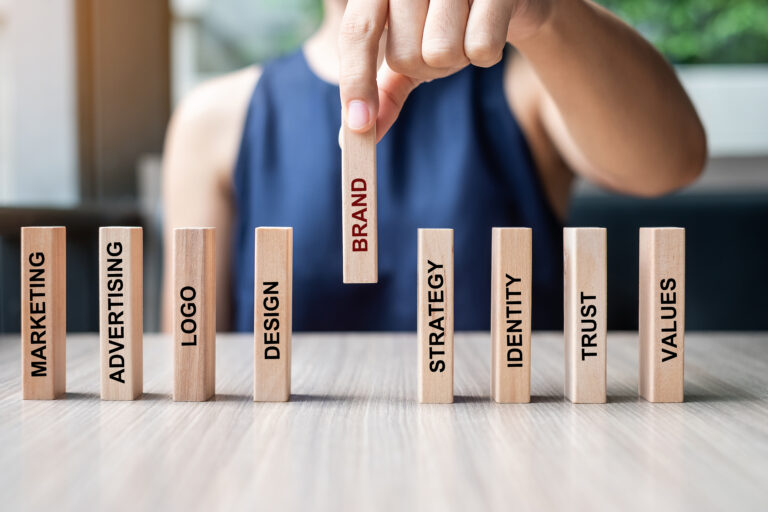
A forgettable brand makes every sale harder than it needs to be. Customers may like your product, trust your price, and still forget your name by the time they close the tab. That is why business branding ideas matter for companies across the USA that want to be remembered before a buyer is ready to act. Recognition does not come from a prettier logo alone. It comes from repeated signals that tell people who you are, what you stand for, and why your business feels different from every other option crowding their screen.
Strong branding also needs visibility in the right places. A local service company, online store, agency, or growing startup can build more trust when its message stays consistent across search, social media, email, reviews, and its website. That is where a smart digital presence through trusted online brand visibility can support the bigger picture. People rarely choose a business after one touch. They choose the name that feels familiar when the moment matters.
Business Branding Ideas That Make Your Company Easy to Remember
A brand becomes memorable when customers can explain it in one clean sentence. Many businesses skip that hard work and rush toward colors, taglines, and social posts before they know what they actually want to be known for. The result feels busy, not recognizable. Good branding starts by choosing the mental space you want to own.
Build a simple promise customers can repeat
A strong brand promise should sound like something a real customer would say, not something trapped inside a boardroom. A home cleaning company might promise “a calmer home by Friday afternoon.” A small accounting firm might promise “tax season without panic.” These lines work because they speak to the customer’s desired outcome, not the company’s internal process.
Most businesses make the mistake of describing what they do instead of why anyone should care. “We offer marketing solutions” says almost nothing. “We help local businesses stop losing leads after office hours” gives the buyer a reason to remember the company. That difference matters because customers carry simple ideas with them.
Clarity beats cleverness here. A clever phrase may win a laugh, but a clear promise wins recall. When your team, website, ads, and sales calls all repeat the same core idea, people start attaching that idea to your name.
Turn your brand personality into daily behavior
Brand personality is not a mood board. It is how your business acts when nobody is polishing the copy. A friendly brand answers messages with warmth. A premium brand respects silence and avoids cheap pressure. A bold brand says what others soften. Customers notice those habits faster than most owners realize.
A local coffee shop in Austin, for example, can build recognition by greeting regulars by name, writing witty cup notes, and posting behind-the-counter moments that feel human. None of that requires a huge budget. It requires consistency. The brand becomes a pattern people can feel.
This is where many companies drift. They sound playful on Instagram, stiff on their website, rushed in customer support, and vague in email. That split teaches the customer not to trust the brand voice. Recognition grows when every touchpoint feels like it came from the same living business.
How Visual Identity Shapes Customer Trust Before the First Sale
Once your message has a spine, your visuals need to carry it without confusion. People judge a business in seconds, especially online. They may not know design theory, but they know when something feels cheap, dated, scattered, or serious enough to trust. Visual branding does not create the whole brand, but it often opens or closes the door before your words get read.
Use color and typography with restraint
Color should not be chosen because the owner likes blue or because a competitor uses orange. It should support the emotional signal your business wants to send. A financial planning firm needs calm and stability. A fitness brand may need energy and movement. A children’s learning company can use warmth without becoming visually noisy.
Typography works the same way. A law firm using playful rounded fonts sends the wrong signal. A handmade candle brand using harsh industrial type may feel cold before the product ever gets described. These choices speak quietly, but they speak early.
Restraint is the underrated move. Two main colors, one accent color, and a clean font system can do more for brand identity than a rainbow palette and five typefaces. Recognition gets easier when the eye does not have to work hard.
Create branded assets people see repeatedly
A logo alone cannot carry a brand. Customers need repeated visual cues: social post templates, email headers, packaging details, proposal layouts, signage, business cards, invoices, and website section styles. Each small asset adds another memory hook.
A landscaping company in Florida could use the same clean green border, before-and-after photo layout, and short seasonal care tip format across its Facebook posts, flyers, and service reminder emails. Over time, people recognize the company before reading the name. That is the quiet power of repetition.
Small businesses often underestimate this because each asset seems minor by itself. Yet customers experience the brand as a collection of tiny moments. When those moments match, trust builds faster.
Brand Messaging That Connects With Real American Buyers
Visual identity gets attention, but language earns belief. Customers in the USA have seen enough polished claims to know when a business is puffing itself up. They respond better to honest language that names their real problem, respects their intelligence, and gives them a reason to care now.
Speak to the pain customers already feel
Strong brand messaging begins with the customer’s daily friction. A roofing company should not start with “family-owned since 1998” unless that history proves something useful. It should speak to storm damage, insurance confusion, hidden leaks, and the fear of hiring the wrong contractor. That is where attention lives.
The same rule applies to online brands. A skincare company should not only mention ingredients. It should talk about the frustration of buying another product that promises glow and leaves the customer guessing. Real pain creates emotional traction because it tells the buyer, “This business gets it.”
Here is the tricky part: you cannot fake this. Customers know when a brand is borrowing their frustration as a sales trick. The wording needs to feel specific enough that a buyer nods before they notice they are being marketed to.
Make your proof visible before asking for trust
Claims are cheap. Proof carries weight. Reviews, case studies, certifications, process photos, guarantees, founder stories, community involvement, and customer results all help a brand move from “sounds good” to “feels safe.”
A moving company in Chicago can say it is careful. Better yet, it can show wrapped furniture, labeled boxes, clean trucks, real reviews, and a clear damage policy. That proof lowers the buyer’s anxiety before the sales call. Less anxiety means less resistance.
This is one of the most practical business branding ideas for service companies that compete in crowded local markets. Do not hide proof on a separate page. Place it near calls-to-action, pricing explanations, service descriptions, and booking forms. Trust should appear at the moment doubt shows up.
Customer Experience as the Brand People Actually Remember
Customers may discover your brand through ads, but they remember it through experience. A beautiful website cannot rescue a slow reply. A sharp logo cannot cover a confusing invoice. The brand lives in the gap between what you promise and what the customer receives.
Design small moments that feel intentional
Memorable brands create small moments customers did not expect but instantly appreciate. A contractor sends a photo update before the homeowner asks. A boutique includes a handwritten care note. A SaaS company records a short personalized onboarding video. These touches feel personal because they respect the customer’s time and nerves.
The best part is that small moments scale better than grand gestures. You do not need to surprise every customer with a gift. You need to identify the moments where people feel uncertain, then reduce that uncertainty with care.
A dentist office could send a calm pre-visit message explaining parking, paperwork, and what happens during the first appointment. That tiny detail can turn anxiety into relief. Relief is memorable.
Keep your brand consistent after the sale
Many businesses put all their branding energy into acquisition and forget the customer after payment. That is a mistake. Post-sale communication shapes reviews, referrals, repeat purchases, and long-term loyalty.
A strong follow-up email can confirm the customer made a good choice. A clear receipt can reduce confusion. A check-in message can catch small issues before they become public complaints. These details may not look glamorous, but they protect the brand when the sale is already won.
Recognition grows when customers can predict the quality of every interaction. They do not need fireworks. They need proof that your business stays the same after their credit card clears.
Building Local Brand Recognition in Competitive Markets
National brands can spend heavily on awareness, but local businesses win through closeness. They know the community, the neighborhoods, the seasonal problems, the local language, and the buying habits better than outside competitors. That advantage becomes branding only when the business turns it into visible trust.
Attach your brand to local context
A local brand should feel rooted, not generic. A pest control company in Phoenix can speak to summer scorpion concerns. A real estate agent in Nashville can discuss neighborhood personality, commute patterns, and school-zone demand. A restaurant in Detroit can use local supplier stories and community events to make the brand feel tied to place.
This does not mean stuffing city names into every sentence. It means showing that your company understands the lived details of your market. Customers trust businesses that sound like they have actually been there.
Local content also helps people find you when they search with intent. Guides, neighborhood pages, seasonal advice, local partnerships, and community spotlights all give your brand more reasons to appear in front of the right audience.
Partner with names your customers already trust
Recognition often grows faster through borrowed trust. A small business can build credibility by partnering with local nonprofits, chambers of commerce, school events, real estate offices, fitness studios, or neighborhood groups. The key is alignment. A random partnership looks like noise. A smart one reinforces the brand’s role in the community.
A pet grooming business could sponsor an adoption event. A home security company could host a safety workshop with a neighborhood association. A bakery could provide treats for a local fundraiser. These moves make the brand visible in settings where people already feel connected.
Partnerships should never feel like logo swapping. The business needs to show up, contribute something useful, and make the relationship feel real. People remember presence more than placement.
Digital Branding Habits That Strengthen Long-Term Recognition
A brand now lives across more surfaces than most owners track. Google results, review sites, social profiles, YouTube clips, email signatures, directory listings, blog posts, and customer screenshots all shape perception. Digital branding works when those surfaces tell the same story without becoming repetitive.
Make every online profile feel current
An outdated profile creates doubt fast. Old hours, mismatched logos, weak bios, blurry images, and abandoned social pages all suggest the business may not be paying attention. That may not be fair, but customers judge from what they can see.
A strong digital presence starts with basic discipline. Update your Google Business Profile. Use the same brand description across major platforms. Refresh photos often. Keep service lists accurate. Respond to reviews in a voice that matches your brand.
The goal is not to appear everywhere. The goal is to appear reliable wherever customers check. A business that looks alive online earns more confidence before the first conversation.
Turn content into a memory system
Content should not exist only to fill a blog. It should teach customers how to think about your brand. A financial advisor might publish short explanations about retirement mistakes, tax planning moments, and college savings decisions. A home remodeler might share project breakdowns, material comparisons, and budget lessons.
Good content gives your brand a point of view. It tells customers what you believe, what you refuse to compromise on, and how you solve problems. Over time, that creates familiarity before the sales process begins.
This is where many businesses miss the mark. They publish generic posts that could belong to anyone. Strong content sounds like it came from your company because it carries your standards, examples, and judgment.
Measuring Brand Recognition Without Chasing Vanity Metrics
Branding can feel vague until you attach it to behavior. Recognition should show up in the way people search, click, ask, review, refer, and return. You do not need a massive analytics department to notice whether your brand is becoming easier to remember.
Watch for branded search and direct traffic
When people start searching your business name, your slogan, your founder, or your specific service phrase, your brand is gaining mental space. Branded search shows that customers remember enough to look for you directly instead of searching only by category.
Direct website traffic tells a similar story. It can mean people typed your URL, used a bookmark, clicked from a saved email, or returned after hearing about you elsewhere. These signals are not perfect, but they point toward familiarity.
Track these patterns monthly. A small rise may not look dramatic, yet it can reveal that your offline work, social content, referrals, and local visibility are starting to connect. Branding compounds slowly before it looks obvious.
Listen to how customers describe you
Customer language is one of the best brand audits you will ever get. Read reviews closely. Ask new clients why they chose you. Pay attention to the words they repeat. If people describe your business the way you hoped they would, your branding is working.
A brand may want to be known as fast, but customers may praise patience. It may want to look premium, but customers may love its practical advice. That feedback is not a problem. It is raw material.
Smart brands adjust without losing their center. They notice what customers already value, then sharpen the message around that truth. The market often tells you what your strongest brand asset is before you name it yourself.
Conclusion
Strong branding is not decoration. It is the discipline of making your business easier to recognize, easier to trust, and easier to choose when customers feel overwhelmed by options. The companies that win attention in the USA are rarely the ones shouting the loudest. They are the ones sending the clearest signal again and again until the market knows what to expect.
The best business branding ideas work because they connect promise, visuals, messaging, customer experience, local trust, and digital presence into one steady impression. That takes patience. It also takes honesty, because a brand cannot keep a promise the business itself refuses to live by.
Start with one question: what should customers remember about you when they forget every detail of the transaction? Build from that answer, test it in every touchpoint, and keep cutting anything that weakens the signal. Make your brand impossible to confuse with anyone else.
Frequently Asked Questions
What are the best business branding ideas for small companies?
Start with a clear promise, consistent visuals, customer-focused messaging, and a reliable service experience. Small companies do not need huge campaigns to build recognition. They need repeated signals that help customers remember what the business stands for and why it feels worth choosing.
How can a local business improve brand recognition?
Local businesses improve recognition by showing up consistently in community spaces, search results, reviews, partnerships, and social channels. Local details matter. Mention real service areas, local concerns, neighborhood needs, and customer stories that prove the business understands its market.
Why is brand consistency important for customer trust?
Consistency helps customers feel safe. When your website, emails, social posts, packaging, and service experience all sound and look connected, people believe the business is organized. Mixed signals create doubt, even when the product or service itself is strong.
How do colors affect business branding?
Colors shape first impressions before customers read anything. Calm colors can suggest trust, bold colors can suggest energy, and softer palettes can feel personal or warm. The right choice depends on the emotion your business wants customers to attach to your name.
What makes a brand message memorable?
A memorable brand message speaks to a real customer problem in simple language. It avoids vague claims and gives people a clear reason to care. The best messages are easy to repeat, tied to a real outcome, and supported by visible proof.
How can service businesses build stronger branding?
Service businesses build stronger branding by improving the customer experience before, during, and after the sale. Fast replies, clear expectations, clean communication, proof of work, and thoughtful follow-ups all shape how people remember the company.
What branding mistakes should businesses avoid?
Avoid copying competitors, changing visuals too often, using vague taglines, ignoring reviews, and treating branding as only a logo project. Weak brands often fail because they send mixed messages or promise something the customer experience does not support.
How often should a business refresh its brand?
A brand should be reviewed every year, but a full refresh is only needed when the message, audience, market position, or visual identity no longer fits. Small updates can keep a brand current without confusing customers who already recognize it.
Source prompt reviewed: