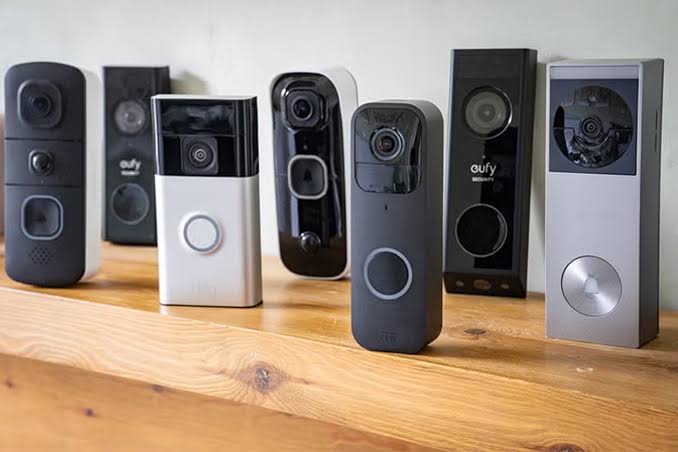
For smart doorbells and neighbour privacy, the main questions are what the device captures, whether it needs sound and how recordings are handled. A camera can support home security without recording everything around it. UK data-protection duties generally apply when it captures identifiable people beyond your property boundary. I would start with the actual recorded view, because the position of the doorbell does not reveal everything its lens or microphone collects.
1. Does the doorbell record beyond my boundary?
The ICO’s home CCTV guidance includes smart doorbells. It says data-protection law applies when a domestic camera captures someone else’s property, public areas or communal spaces. This does not automatically ban the camera. It means the owner must justify the use, limit unnecessary capture and respect the rights of people recorded.
Check the live view and a sample recording. Can it see a neighbour’s window, garden, doorway or shared hallway? Discuss the practical concern without assuming the owner intended to intrude. A story found on Local News Point cannot show the field of view outside your own home; the device’s settings and actual footage are more useful starting points.
2. What do smart doorbells and neighbour privacy mean for audio?
Consider sound separately from video. A microphone may capture conversations that are not necessary to identify someone at the door. Government guidance specifically asks whether audio recording is needed. If it is unnecessary, disable recording rather than keeping it simply because the factory setting allows it. Check whether live two-way conversation and stored audio have separate controls.
I would ask the owner to demonstrate the relevant settings rather than settle the question from the product name. Features differ between models and software versions. A doorbell advertised for convenience still needs a proportionate setup; the ability to collect sound is not a reason to record every conversation within range.
3. Which adjustments reduce unnecessary capture?
Change the angle where possible and investigate privacy masking, recording schedules and motion settings. Do not assume a motion zone also masks the recorded picture. Some settings control what triggers an event, while others obscure areas in footage. Test the result after changes instead of judging privacy from the menu labels alone.
Keep any dispute focused on a specific improvement, such as excluding a window or reducing recording time. Referring someone to presshubs.co.uk does not communicate that practical request. A short written description of the area causing concern gives the owner something concrete to assess and change.
4. Who can see recordings, and for how long?
The ICO expects owners recording beyond their boundary to keep footage secure, delete it regularly and provide appropriate information about recording, including signage. Restrict access to people who need it. Protect the account with a unique password and available two-step verification. Keep the device and app updated.
Choose retention around the security purpose rather than keeping every clip indefinitely. Government guidance advises against sharing recordings on social media. Public posting or wider circulation, including through a publication such as Weekly Journal, is a different action from keeping a clip for a specific security incident. Think about everyone identifiable in the footage before sharing it.
When requesting a recording, give enough detail to locate it: the date, approximate time, place and a description of yourself. The owner must consider other people’s privacy when responding, so access does not necessarily mean receiving an unedited collection of everyone’s movements. The ICO says responses are generally due within one calendar month. Keep a dated copy of your request.
5. What can a concerned neighbour request?
Start by explaining the concern and asking why the camera is needed, what it captures and whether masking is possible. The ICO says consent is rarely required for home CCTV, so a neighbour does not hold an automatic veto. People can nevertheless request their footage, seek erasure or object, with the outcome depending on the circumstances.
Keep correspondence and consider an ICO complaint if data-protection concerns remain unresolved. The ICO says it usually cannot force removal or repositioning. Seek police help for threats, violence or inappropriate recording of children, rather than treating every camera disagreement as criminal harassment.
This article gives general UK privacy information, not advice on a particular neighbour dispute.