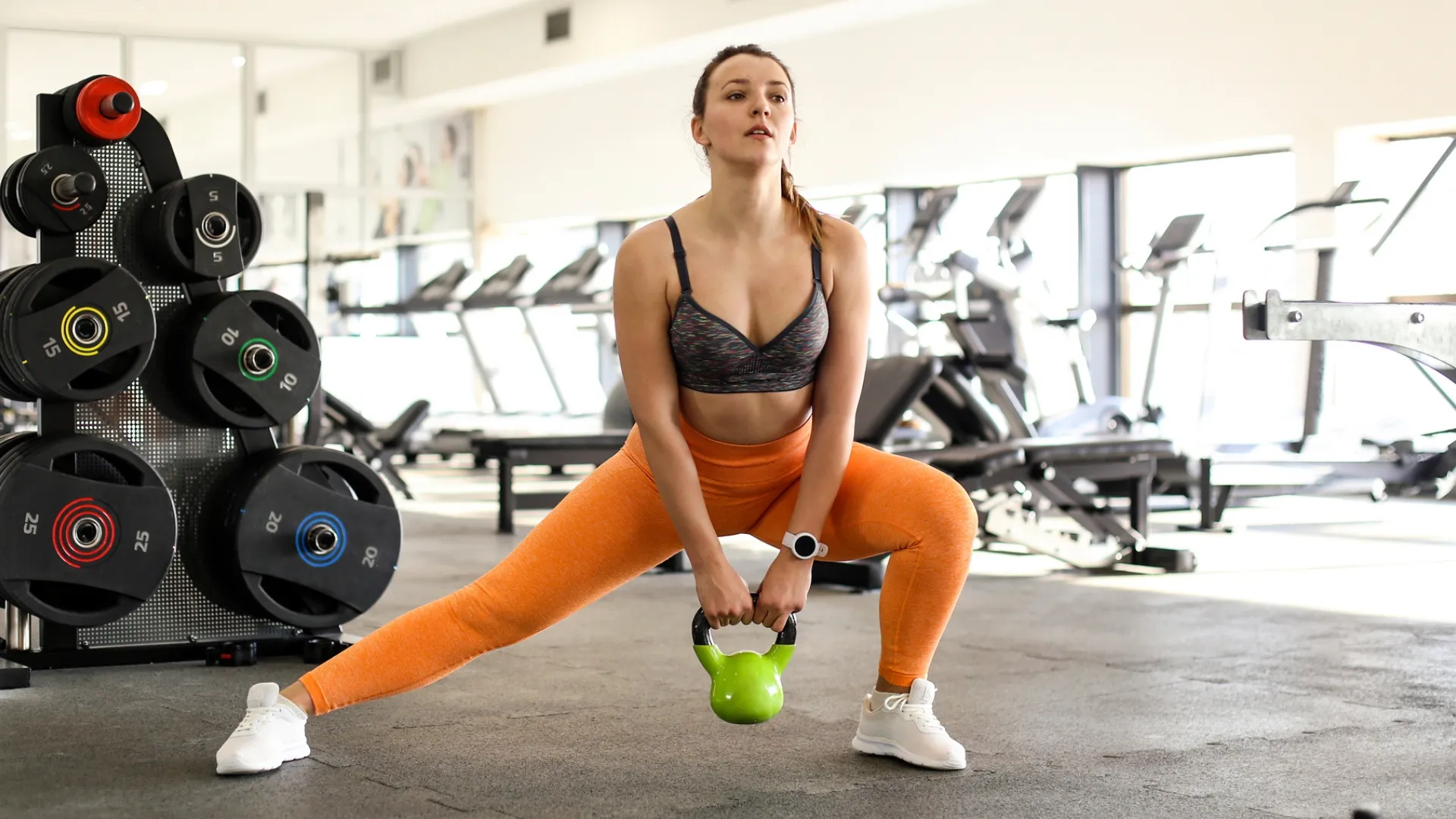
A strong body is not built by punishment; it is built by patterns you can repeat without hating your life. Most Americans do not need a harsher plan, a longer gym session, or another flashy challenge that collapses by next Friday. They need fitness routines that make the body stronger, looser, steadier, and easier to live in. That matters when you are carrying groceries through a parking lot, getting out of a low car, chasing your kids across a yard, or sitting through a long workday without feeling locked into your own spine.
Better training starts when you stop treating strength and mobility like separate goals. Muscle without range feels stiff. Flexibility without control feels fragile. The sweet spot sits in the middle, where your joints move well and your muscles know how to protect them. If you care about building a healthier lifestyle, resources such as wellness-focused digital publishing can help connect everyday readers with practical ideas that fit real life. Your routine should do the same: meet you where you are, then quietly raise the standard.
Fitness Routines That Build a Stronger Base
A good routine begins with the movements your body already depends on every day. Squatting, hinging, pushing, pulling, carrying, rotating, and stepping are not gym inventions. They are human patterns. When those patterns get weaker, ordinary life starts feeling heavier than it should.
Strength Training That Supports Real Life
Strength training should make your day easier, not leave you walking like your legs filed a complaint. A smart weekly plan trains major movement patterns with enough effort to cause progress, but not so much that you dread the next session. For many Americans balancing work, family, and long commutes, two or three focused sessions each week beat five messy workouts that never stick.
A practical session might include a goblet squat, Romanian deadlift, dumbbell row, push-up variation, and farmer carry. That list is not fancy, but it covers a lot of ground. Your legs learn to drive, your hips learn to hinge, your back learns to hold posture, and your grip gets a dose of honest work.
The counterintuitive part is that leaving one or two reps in the tank often builds better long-term strength than grinding until form falls apart. You are not proving toughness to the dumbbells. You are teaching your nervous system how to produce force cleanly, again and again.
Mobility Exercises That Keep Strength Usable
Mobility exercises work best when they connect directly to strength work. Random stretching can feel pleasant, but it does not always change how you move under load. A hip opener before squats, ankle rocks before lunges, or thoracic rotations before rows gives the body a reason to keep that range.
A desk worker in Chicago, Dallas, or Phoenix may spend eight hours folded into a chair, then wonder why squats feel stiff. The problem is not moral failure. The body adapts to the shapes it holds most often. Mobility drills help you interrupt that pattern before it becomes your default setting.
Strong mobility is active, not limp. You want control at the edge of your range. That means a deep lunge stretch becomes more useful when you add a glute squeeze, a slow reach, or a controlled shift forward and back. The goal is not to look bendy. The goal is to own the position.
Designing a Daily Workout Plan That Fits American Schedules
A routine fails when it demands a lifestyle you do not have. The best daily workout plan respects your calendar, energy, space, and recovery. A parent with twenty minutes before school drop-off needs a different setup than a remote worker with a garage gym and a flexible lunch break.
Short Sessions Can Still Create Progress
Short workouts work when they have a clear job. Ten minutes of focused movement can wake up your hips, raise your heart rate, and prepare your joints for the day. Thirty minutes can build real strength if you stop wasting half of it scrolling between sets.
A simple home session can use a timer: five minutes of mobility, fifteen minutes of strength work, and five minutes of carries or core training. That structure removes guesswork. You do not need a perfect plan on a busy Tuesday. You need a plan that starts before your brain negotiates its way out of it.
The surprising truth is that shorter sessions often improve consistency because they lower emotional resistance. A one-hour workout sounds noble until your inbox explodes. A twenty-minute workout feels possible, and possible wins more often than perfect.
Recovery Belongs Inside the Plan
Recovery is not what happens after training goes wrong. It is part of the training itself. Sleep, walking, light movement, hydration, and rest days decide whether your body adapts or drags itself through the next session.
Many people make the same mistake: they train hard on Monday, feel sore on Tuesday, do nothing until Friday, then repeat the cycle. That pattern builds frustration more than fitness. Light recovery days with walking, mobility exercises, or easy cycling keep blood moving and reduce the mental gap between workouts.
A daily workout plan should include low-pressure days. Those days are not lazy. They protect the rhythm. When movement becomes normal instead of dramatic, your body stops treating exercise like an emergency event.
Functional Fitness for Strength, Balance, and Control
Functional fitness has been overmarketed, but the idea underneath still matters. Your body should handle uneven, awkward, real-life demands. A perfect machine press does not mean much if you twist your back lifting a suitcase into an overhead bin.
Balance Training Is Strength in Disguise
Balance is often treated like something older adults need, but that misses the point. Balance is your body’s ability to organize force. Every step, lunge, stair climb, and direction change asks your nervous system to keep you upright while your muscles do their job.
Single-leg exercises are a clean way to train this skill. Step-ups, split squats, lateral lunges, and single-leg Romanian deadlifts expose weak links fast. One side may wobble. One hip may drop. One foot may grip the floor like it is negotiating a contract.
That feedback is useful. Machines can hide asymmetry, but daily life will not. Functional fitness improves when you train each side to carry its share, especially through slow reps that force control instead of momentum.
Core Work Should Teach the Body to Resist Motion
Core training is not only about crunches. Your trunk has a bigger job: it transfers force between your upper and lower body while protecting your spine. That matters when you lift a laundry basket, swing a tennis racket, shovel snow, or carry a sleeping child from the car.
Planks, dead bugs, Pallof presses, suitcase carries, and bird dogs teach the core to resist unwanted movement. These exercises may look quiet, but they ask for serious control. Done well, they build the kind of strength you feel when your posture holds up under fatigue.
The unexpected insight is that great core work often looks less dramatic than poor core work. Flailing through endless sit-ups may burn, but controlled tension teaches the body a better lesson. Stillness can be hard work.
Making Progress Without Breaking the Routine
Progress does not require constant reinvention. It requires small changes applied at the right time. Add a little weight, slow the tempo, increase range, improve control, reduce rest, or add one clean set. The body reads all of those as signals.
Track What Matters, Not Everything
Tracking can help, but too much tracking turns training into bookkeeping. Most people need a few simple markers: exercises performed, weight used, reps completed, how the body felt, and whether form stayed clean. That is enough to spot progress without turning your notebook into a second job.
A beginner in a suburban YMCA or apartment gym can make steady gains by repeating the same core lifts for four to six weeks. Familiarity is not boredom. Familiarity is where skill appears. When you repeat a movement, your body gets a fair chance to improve it.
Progress often shows up before the mirror notices. Stairs feel easier. Shoulders sit lower. Hips stop complaining during long drives. Those signs count because they show the routine is crossing into real life.
Adjust the Routine Before Motivation Dies
Motivation drops when a plan stops matching your life. That does not mean you failed. It means the routine needs editing. Travel, deadlines, holidays, school schedules, and seasonal changes all affect training, especially in the U.S., where many people live in cars, offices, and weather extremes.
A winter routine in Minnesota may lean on indoor strength circuits and mobility flows. A summer routine in Florida may shift harder work to mornings and keep outdoor sessions shorter. The point is not to copy someone else’s calendar. The point is to keep the promise in a form your life can hold.
The smartest adjustment is often smaller, not bigger. Cut a session from forty minutes to twenty. Swap barbell work for dumbbells. Move mobility to the evening. Keep the chain alive. Once a routine survives real life, it becomes part of your identity instead of another abandoned plan.
Conclusion
Strength and mobility improve when training stops being a performance and starts becoming a practice. You do not need to chase soreness, copy athletes, or rebuild your week around a plan that ignores your actual responsibilities. You need steady work, clear movement patterns, honest recovery, and enough patience to let small gains stack.
The best fitness routines are not the ones that look impressive on paper. They are the ones you can repeat during busy weeks, adjust during stressful seasons, and trust when motivation gets thin. Build around movements your body needs, then train them with care. Add mobility where your life makes you stiff. Add strength where your body feels unsure.
Start with three days this week: two strength sessions and one mobility-focused recovery day. Keep it simple, write down what you did, and improve one small thing next time. A body that moves well gives you more than workouts; it gives you back a larger, stronger life.
Frequently Asked Questions
What are the best fitness routines for beginners at home?
Start with squats, hip hinges, push-ups, rows, planks, and walking. Keep sessions around twenty to thirty minutes and repeat them two or three times weekly. Beginners make better progress with simple movements done well than with complicated workouts done poorly.
How often should I do strength training each week?
Two to four strength sessions per week work well for most adults. Beginners can start with two full-body workouts and add a third once recovery feels steady. Training more often only helps when sleep, nutrition, and joint comfort keep up.
What mobility exercises should I do every day?
Daily mobility should target the areas that get stiff first: hips, ankles, upper back, shoulders, and wrists. Hip flexor stretches, ankle rocks, thoracic rotations, shoulder circles, and deep squat holds can fit into a short morning or evening routine.
Can a daily workout plan improve flexibility and strength together?
Yes, strength and flexibility can improve together when exercises move through controlled ranges. Lunges, Romanian deadlifts, split squats, rows, and loaded carries build strength while teaching joints to move with confidence. The key is control, not rushing.
What is functional fitness good for in everyday life?
Functional fitness helps your body handle normal tasks with less strain. Carrying groceries, climbing stairs, lifting boxes, gardening, and playing with kids all become easier when your training includes balance, coordination, core control, and full-body strength.
How long should each workout be for better mobility?
Mobility work can help in as little as ten minutes when done consistently. Longer sessions are useful, but frequency matters more than duration. A short daily routine often beats one long session that happens only when your body already feels tight.
Should I stretch before or after strength training?
Dynamic mobility works better before strength training because it prepares joints and muscles for movement. Longer static stretches usually fit better after training or during a separate recovery session. Match the stretch to the job your body is about to do.
How do I know my routine is working?
Your routine is working when movements feel smoother, daily tasks feel easier, weights move with better control, and soreness does not derail your week. Progress also shows up as better posture, improved balance, steadier energy, and more confidence in your body.