A formal event exposes every weak choice in an outfit. The wrong hem, loud accessory, tired shoes, or mismatched jacket can turn an expensive look into something that feels unfinished before you even reach the door. Strong Formal Outfit Coordination solves that problem by making each piece speak the same visual language. For American weddings, galas, charity dinners, business banquets, and upscale evening events, elegance depends less on price and more on control. You need fit, color, fabric, dress code awareness, and restraint working together. Style also carries social meaning in the USA, where event fashion often blends personal taste with regional expectations, from New York black-tie rooms to California outdoor receptions. A polished look can even support your wider personal image, much like premium visibility for modern brands shapes how people are first perceived. The point is simple: formal dressing should never feel accidental. It should feel intentional before anyone can name why.
Formal Outfit Coordination Starts With Dress Code Intelligence
Dress codes are not suggestions written in decorative language. They are social instructions, and reading them well saves you from standing out for the wrong reason. The mistake many people make is treating formalwear as one fixed category, when American events often sit on a spectrum between black tie, cocktail, semi-formal, festive formal, and business formal. Each setting asks for a different level of polish, and the best-dressed person is rarely the loudest one in the room.
How to Read Elegant Event Fashion Invitations
A formal invitation gives more clues than the dress code line alone. Venue, time, season, host style, and occasion all matter. A 7 p.m. museum gala in Chicago asks for a sharper level of refinement than a late-afternoon garden wedding in Charleston, even if both use the word “formal.” That difference should shape your fabric, color, shoe choice, and accessory weight.
American event culture also varies by city. In Washington, D.C., formal dressing often leans polished and restrained because many events carry professional or political undertones. In Miami, evening style may allow more color, fluid fabrics, and expressive details without looking careless. A smart guest reads the room before entering it.
The counterintuitive truth is that overdressing can look as wrong as underdressing. A floor-length gown at a relaxed cocktail reception may feel theatrical, while a soft suit at a black-tie fundraiser can seem unfinished. The goal is not maximum drama. The goal is correct pressure.
Why Formal Attire Ideas Need Context
Good formal attire ideas begin with the event’s purpose. A charity dinner, wedding, awards night, corporate celebration, and anniversary party each carry different emotional weight. Wearing the same outfit formula to all five may seem efficient, but it often misses the mood.
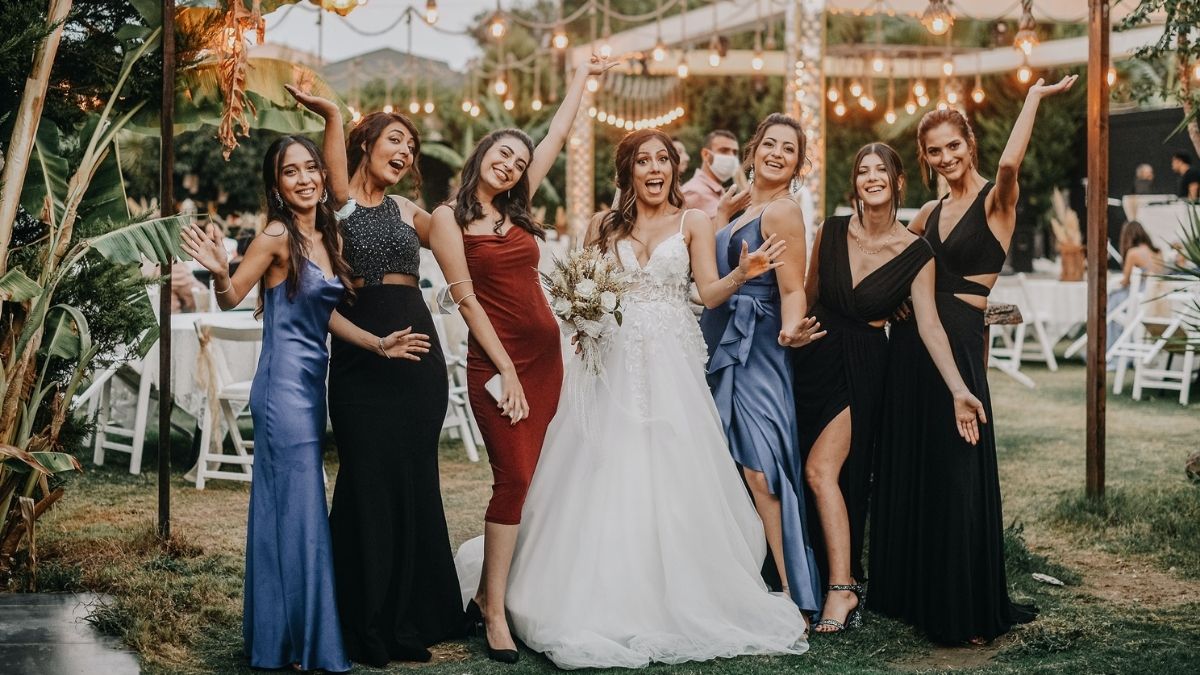
A corporate banquet rewards clean lines, balanced colors, and quiet authority. A wedding allows more warmth, texture, and romance, though guests should avoid competing with the couple. A gala gives space for stronger accessories, richer fabric, or a more sculpted silhouette. Context tells you how far to go.
Formal attire ideas also need climate awareness. A velvet blazer may look excellent at a December event in Boston but feel heavy at a June rooftop reception in Dallas. Linen blends may work for coastal summer events, yet they can look too casual in a hotel ballroom. Elegance listens to the weather without surrendering to it.
Color, Fabric, and Fit Decide the First Impression
Once the dress code is clear, the outfit begins to live or die through materials and proportions. People often obsess over statement pieces, yet the eye first notices harmony. Color temperature, fabric weight, shoulder shape, waist placement, sleeve length, and shoe finish build the impression before anyone studies individual items.
Building Event Outfit Styling Around Color Control
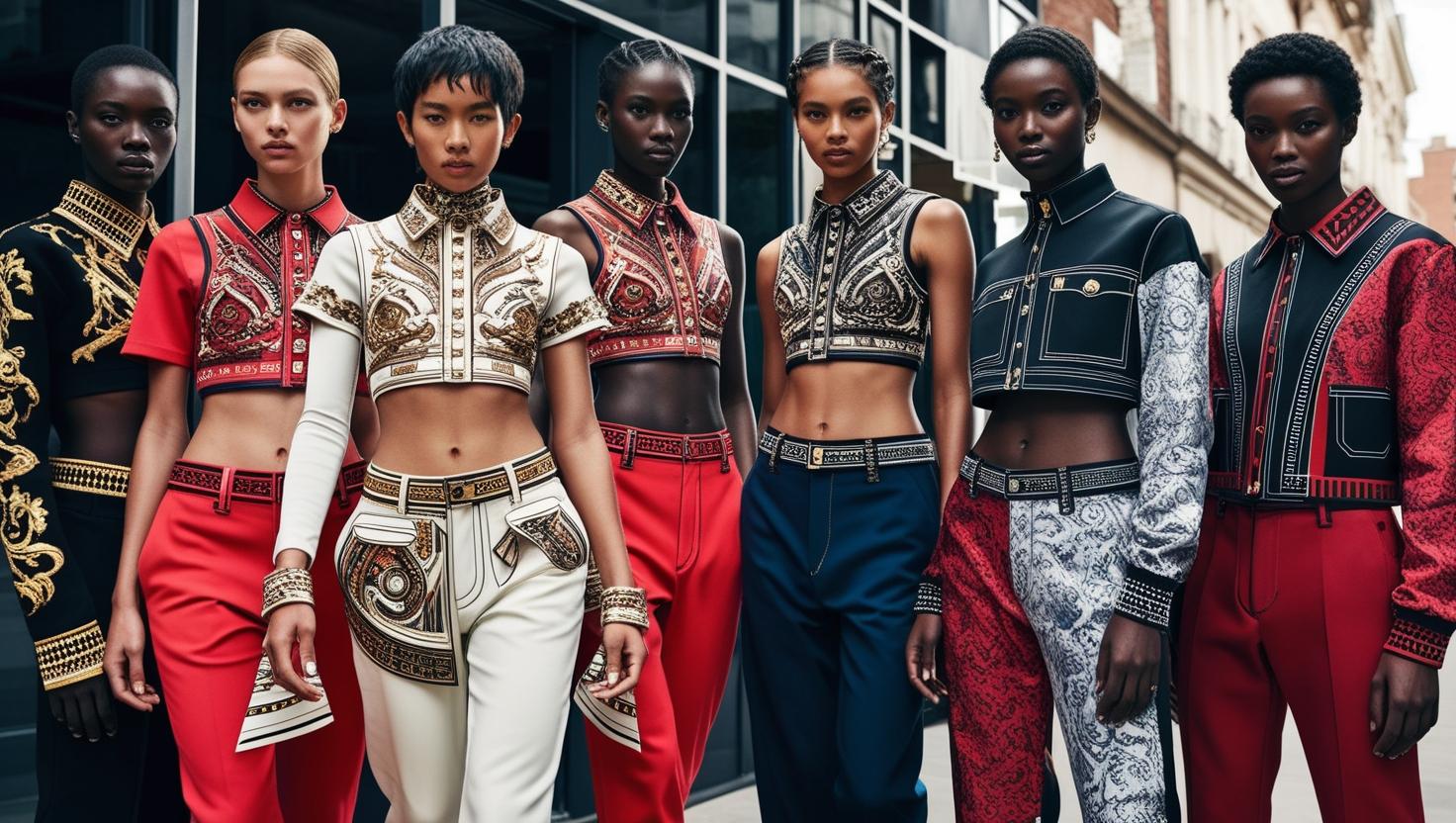
Color control does not mean dressing in dull shades. It means choosing a tight palette and letting one element lead. Navy with ivory, charcoal with silver, black with satin texture, burgundy with deep brown, and champagne with soft gold can all feel refined when the balance is calm.
Many formal outfits fail because every piece asks for attention. A bright dress, glitter clutch, ornate earrings, bold lip, and metallic heels may each work alone, but together they create visual noise. Strong event outfit styling knows when to stop. One focal point is elegance. Five focal points are confusion.
Skin tone, lighting, and venue color matter too. Warm candlelight flatters cream, bronze, moss, wine, and chocolate tones. Cool hotel lighting can make pale grays and icy blues look sharper. Outdoor evening events often soften color, so deeper shades photograph with more presence after sunset.
Choosing Fabrics That Hold Their Shape
Fabric tells the truth faster than branding does. Cheap shine, limp construction, and wrinkled material can weaken a formal look even when the silhouette is attractive. Wool, silk, satin, crepe, velvet, fine cotton, and structured blends often carry formal settings better because they hold shape under movement and light.
Texture should match the season. Velvet, brocade, wool suiting, and heavier satin suit colder months. Crepe, silk, chiffon, polished cotton, and lighter wool work better for spring and summer events. The best fabric choice lets you move, sit, stand, and greet people without constant adjustment.
Fit beats decoration every time. A plain black dress with clean tailoring will outperform a detailed dress that pulls at the bust or collapses at the hem. A simple tuxedo with correct sleeve length looks stronger than a designer jacket with poor shoulders. Formalwear has no mercy for bad fit.
Accessories Should Support, Not Compete
Accessories are where many formal outfits lose discipline. The outfit may begin with taste, then fall apart under too much sparkle, a casual watch, a bulky bag, or shoes that belong to another dress code. The best accessories do not shout. They finish the sentence.
Elegant Fashion Tips for Jewelry and Bags
Jewelry should echo the outfit’s mood rather than fight it. A high neckline often works better with earrings than a necklace. A strapless dress can handle a refined necklace if the earrings stay quieter. A sharp tuxedo or suit may need only a dress watch, cufflinks, or a single ring.
Elegant fashion tips often sound simple because restraint is simple in theory and hard in practice. You may love a statement necklace, crystal clutch, and jeweled shoe, but wearing all three can flatten the impact. Choose the piece with the most authority and let the others step back.
Bags deserve more care than they get. A formal clutch or small structured evening bag should carry the essentials without looking like daily storage. Oversized totes, casual crossbodies, and soft daytime bags weaken the look. At American formal events, the bag often appears in photos, on tables, and during greetings, so it cannot be an afterthought.
Shoes Can Raise or Ruin Formal Attire Ideas
Shoes anchor the outfit both visually and physically. Polished leather dress shoes, satin heels, refined pumps, dress sandals, and sleek flats all have a place when matched to the event. Scuffed soles or casual shapes pull attention downward in the worst way.
Comfort deserves respect, but comfort should not become an excuse for careless footwear. A block heel, low slingback, dress loafer, or elegant flat can work if the shape and material feel formal. The shoe should look chosen, not surrendered to at the last minute.
Men often underestimate shoe finish. A sharp suit with dull shoes feels incomplete because formal dressing depends on surface discipline. Women often face the opposite problem: beautiful shoes that punish movement. The smartest choice is the pair that looks polished at arrival and still feels possible after two hours of standing.
Personal Style Makes the Look Memorable
After dress code, color, fabric, fit, and accessories are solved, personality can enter the room. Personal style should not break the formality of the event. It should give the outfit a signature. That signature might be a deep green dinner jacket, sculptural earrings, a vintage clutch, a satin bow tie, or a dress with an unexpected neckline.
Event Outfit Styling With One Signature Detail
A signature detail gives the outfit memory. Without one, formalwear can become correct but forgettable. The trick is choosing one detail that feels like you and keeping everything else disciplined enough to support it.
A man wearing a classic black tuxedo might choose a textured bow tie or mother-of-pearl studs. A woman in a simple column dress might add architectural earrings or a velvet wrap. Someone attending a winter gala in Denver could pair a dark suit with a rich burgundy pocket square. One detail can carry the whole look when it has room to breathe.
Event outfit styling works best when the signature detail connects to the occasion. A family wedding may welcome sentimental jewelry. A museum benefit may suit artistic accessories. A business awards dinner may call for cleaner choices with quieter distinction. Personal style should feel aware, not self-absorbed.
Elegant Fashion Tips for Looking Current Without Chasing Trends
Trends can refresh formalwear, but chasing them too hard dates the outfit before the night ends. Current style in the USA leans toward cleaner lines, better tailoring, softer luxury, and pieces that photograph well without looking overworked. That does not mean plain. It means edited.
Elegant fashion tips for modern events often come down to subtraction. Remove the extra bracelet. Switch the loud belt for a cleaner one. Choose a dress shirt with a better collar instead of adding another accessory. Let grooming, posture, and fabric quality carry more weight.
The most stylish people at formal events rarely look like they tried to win the room. They look prepared for it. That difference matters because confidence reads better when it is not begging for attention.
Conclusion
Formal dressing becomes easier when you stop treating it like a costume test and start treating it like visual decision-making. Every choice should answer one question: does this help the whole look feel more intentional? When the answer is no, the piece does not belong, no matter how expensive, trendy, or sentimental it may be. Formal Outfit Coordination gives you a cleaner way to dress for American events because it connects etiquette with self-expression. You respect the occasion, but you do not disappear inside it. You choose color with control, fabric with judgment, accessories with restraint, and one personal detail with confidence. That is how elegance feels alive rather than stiff. Before your next event, lay out the full outfit at once, edit anything that fights the mood, and leave the house looking like every choice was made on purpose.
Frequently Asked Questions
What is the best way to coordinate a formal outfit for an evening event?
Start with the dress code, then build around one main color, one strong silhouette, and one standout detail. Keep shoes, accessories, and outerwear aligned with the same level of formality so the outfit feels complete from arrival to departure.
How do I choose formal attire ideas for a wedding in the USA?
Read the invitation, venue, season, and time of day before choosing your look. Evening hotel weddings usually call for darker colors and refined fabrics, while outdoor daytime weddings allow softer shades and lighter materials without becoming casual.
What colors work best for elegant event fashion?
Black, navy, charcoal, ivory, burgundy, emerald, champagne, and deep brown work well for many formal settings. The strongest choice depends on the venue lighting, season, and your skin tone, not a single universal rule.
How can event outfit styling look expensive on a budget?
Focus on tailoring, clean shoes, pressed fabric, and restrained accessories. A well-fitted affordable outfit often looks better than a costly piece with poor proportions. Spend attention before spending more money.
What accessories should I wear with formal attire?
Choose accessories that support the outfit’s mood rather than compete with it. Earrings, cufflinks, a clutch, a dress watch, or one refined necklace can work beautifully when the rest of the look stays controlled.
How do I avoid overdressing for a formal event?
Match your outfit to the invitation, venue, and host style instead of aiming for the most dramatic option. When unsure, choose refined fabrics and polished grooming while keeping accessories quieter. That balance protects you from looking excessive.
What shoes are best for elegant fashion tips at formal events?
Polished dress shoes, refined pumps, satin heels, sleek flats, dress loafers, and formal sandals can all work. The shoe must match the outfit’s polish and remain comfortable enough for standing, walking, and greeting people.
How do I make formal outfit coordination feel personal?
Add one signature detail that reflects your taste, such as vintage jewelry, a textured bow tie, a rich pocket square, or a sculptural clutch. Keep the rest of the outfit disciplined so that personal touch feels intentional.