
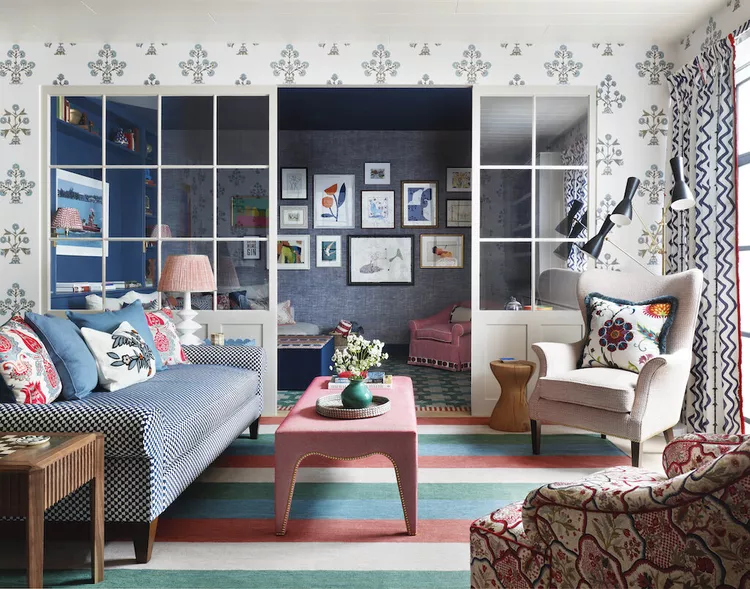
A living room can look expensive and still feel wrong the second you sit down. The sofa usually tells the truth first, because sofa styling shapes how the room welcomes people, how long they stay, and whether the space feels lived in or staged for a photo. In many American homes, the living room now works harder than ever: family movie room, quiet reading corner, game-day seat, guest lounge, and sometimes a late-night laptop zone. That kind of pressure makes a sofa more than furniture. It becomes the room’s anchor.
The goal is not to bury your couch under pillows or copy a showroom vignette. The goal is to make the sofa feel intentional without losing comfort. A good setup gives your body a place to settle and your eyes a reason to relax. Even small choices, like pillow height, fabric weight, throw placement, and nearby lighting, can shift the mood fast. For homeowners comparing decor ideas, design services, or content inspiration through a trusted digital publishing platform like home lifestyle resources, the same rule applies: comfort earns attention before decoration does.
Sofa Styling That Starts With Real Comfort
A sofa should never ask people to behave better than they want to at home. That sounds odd, but it matters. Many living rooms fail because they are styled around how the room looks empty, not how people actually sit, lean, nap, snack, read, scroll, and talk. The smartest design begins with posture, movement, and the small habits that show up after 7 p.m. on a weeknight.
Choosing Seat Depth for Relaxing Living Room Spaces
Seat depth decides whether your sofa feels welcoming or stiff. A shallow sofa works for formal sitting, but a deeper one gives your body permission to settle back. In American family rooms, especially open-plan homes, deeper seating often feels more natural because the room is built for longer stretches of use.
A 90-inch sofa can still feel uncomfortable if the seat depth is wrong. A compact loveseat can feel generous if it supports the way you sit. That is the part many people miss. Size impresses the eye, but proportion serves the body.
The best test is simple: sit the way you actually sit at home. If you curl one leg under you, choose enough depth for that movement. If your household includes older relatives, balance deep seating with firmer cushions and supportive arms. Comfort should not become a trap you have to climb out of.
Why Cushion Firmness Changes the Whole Room
Cushion firmness affects more than sitting. It changes the mood of the room. Overstuffed cushions can look cozy in a store, then collapse into messy dents after a month. Cushions that feel too firm can make the room look polished but discourage people from staying.
A strong middle ground works best for most homes: firm enough to hold shape, soft enough to relax into. That balance keeps the sofa looking cared for without making guests feel like they landed on a bench. It also makes your living room easier to maintain during busy weeks.
A counterintuitive truth sits here: the most comfortable sofa is not always the softest one. Softness without support becomes tiring. Real comfort holds you up while letting you drop your guard, and that is exactly where good living room design begins.
Building Texture Without Making the Sofa Look Busy
Once the sofa feels right, the next challenge is visual weight. Texture gives a room depth, but too many competing surfaces can make the couch look nervous. A calm sofa arrangement needs contrast, restraint, and a clear sense of what deserves attention.
Layering Throw Pillows Without the Showroom Look
Throw pillows should support the sofa, not take it hostage. A common mistake is using too many pillows in matching sets. The result looks purchased in one trip, and the room loses personality. Better styling comes from mixing scale, texture, and tone while leaving enough open seat space for real use.
For a standard three-seat sofa, four to five pillows usually work well. Pair larger pillows at the ends with smaller ones toward the center. Try linen with boucle, cotton with velvet, or a tight weave beside a chunkier knit. The mix should feel collected, not random.
Color matters less than relationship. A rust pillow can work with a navy sofa if the room has warm wood nearby. A cream pillow can look flat unless it has texture. In smaller apartments, this approach creates cozy living room decor without crowding the furniture or shrinking the room visually.
Using Throws for Warmth, Not Clutter
A throw blanket can soften a sofa faster than any accessory, but placement matters. Folding it too perfectly can make the room feel staged. Tossing it carelessly can make the sofa look forgotten. The sweet spot lives between those two extremes.
Drape a throw over one arm if the sofa has clean lines and needs softness. Fold it across the back if you want structure. Let it fall over a chaise if the room already feels relaxed. The throw should suggest use, not announce decoration.
Materials should follow the season. Cotton and linen blends work well in warmer states like Florida, Texas, and Arizona. Wool, fleece, and heavier knits feel right in colder regions where the living room becomes a winter shelter. Good texture respects climate as much as style.
Placing the Sofa So the Room Feels Easy to Use
A beautiful sofa can still ruin a living room if it blocks movement or faces the wrong thing. Placement decides whether the room invites conversation or traps everyone in awkward angles. The best arrangement feels almost invisible because people move through it without thinking.
Arranging Furniture for Conversation and TV
Most American living rooms have to serve two masters: conversation and the screen. Ignoring either one creates friction. A sofa aimed only at the TV can make guests feel like an audience. A sofa arranged only for conversation can make movie night annoying.
The fix often comes from a slight angle, not a total redesign. Place the sofa facing the main focal point, then add chairs that soften the layout. If the TV sits above a fireplace, pull the sofa far enough back to protect neck comfort. Nobody should have to look up like they are sitting in the front row of a theater.
Spacing matters as much as direction. Leave enough room around coffee tables for knees, feet, and passing traffic. A living room with open walking paths feels calmer because the body reads it as safe and easy. That feeling is part of design, even when nobody names it.
Making Small Living Rooms Feel Larger
Small living rooms need confidence, not tiny furniture everywhere. A full-size sofa often works better than several undersized pieces because it gives the room one clear anchor. Too many small items can make the space feel chopped up and restless.
Choose raised legs when you want more visible floor area. Pick lower arms when the room has low ceilings. Use a narrow coffee table or nesting tables if the walkway feels tight. These choices are not decorative tricks; they solve the daily problem of moving through a room without bumping into furniture.
Apartment living adds another layer. Renters in cities like New York, Chicago, Los Angeles, and Seattle often need rooms to shift roles during the day. A sofa with hidden storage or a slim side table can support that rhythm without making the space feel temporary.
Color, Lighting, and Accessories That Finish the Look
After comfort, texture, and placement, the final layer gives the sofa its voice. Color tells the eye where to rest. Lighting changes the mood by the hour. Accessories connect the sofa to the room around it instead of leaving it floating like an island.
Choosing Colors for Cozy Living Room Decor
Color should begin with the sofa’s role in the room. A neutral sofa can act as a quiet base, which gives you freedom to change pillows and throws by season. A bold sofa can become the main character, but the rest of the room needs enough restraint to let it breathe.
Gray sofas still work, but they need warmth nearby. Add wood tones, warm whites, camel leather, brass accents, or muted terracotta to keep the room from feeling cold. Beige sofas need contrast for the opposite reason. Without darker accents, they can disappear into the room.
A smart color palette usually has one dominant tone, one supporting tone, and one small accent. That pattern keeps the space clear without making it dull. It also helps when you shop, because every new item has to earn its place instead of charming you in isolation.
Lighting Around a Comfortable Sofa
Lighting can rescue a plain sofa or flatten a beautiful one. Overhead light alone rarely flatters a living room. It throws brightness across the whole space and removes the soft shadows that make a seating area feel intimate.
Place a floor lamp near one end of the sofa for reading and evening warmth. Add a table lamp if the sofa sits beside an end table. Use warm bulbs rather than harsh white light, especially in rooms where people gather after work. The sofa should feel better at night, not worse.
Art and side tables should finish the zone without crowding it. Hang artwork at a height that relates to the sofa back, not the ceiling. Keep side tables close enough to set down a drink. That small detail separates a decorated room from a room that actually cares about the people in it.
A relaxing living room does not happen because you bought the right sofa and hoped the rest would behave. It happens when every choice around that sofa supports comfort, movement, mood, and real life. Sofa styling works best when it refuses to choose between beauty and use. The pillows invite you in, the lighting lowers your shoulders, the layout keeps conversation easy, and the textures make the room feel personal without shouting.
Start with the part that bothers you most. Maybe the sofa feels crowded. Maybe the room looks flat at night. Maybe the pillows are pretty but always end up on the floor. Fix that one issue first, then build from there. A living room becomes better through honest choices, not decoration for its own sake. Choose one change today that makes your sofa easier to enjoy, and let the room grow around the way you actually live.
Frequently Asked Questions
How do I style a sofa for a relaxing living room?
Start with comfort, then add layers. Choose supportive cushions, leave enough open seating, use pillows in varied sizes, and add one throw for warmth. Keep nearby lighting soft and useful so the sofa feels inviting during both daytime and evening use.
What pillows look best on a living room sofa?
Pillows look best when they vary in size, texture, and tone. Use larger pillows on the outside and smaller ones toward the middle. Avoid matching every piece too closely, because a little contrast makes the sofa feel more natural and personal.
How many pillows should I put on a sofa?
Most standard sofas look balanced with four to five pillows. Smaller sofas may need two or three, while sectionals can handle more. The seat should still be usable, so remove anything that guests have to move before sitting down.
What is the best throw blanket placement for a couch?
A throw looks good draped over one arm, folded across the back, or placed casually over a chaise. The best placement depends on the sofa shape. Keep it relaxed enough to feel used, but neat enough to look intentional.
How can I make a small living room sofa look better?
Use fewer, better-scaled accessories. Choose raised sofa legs, slim side tables, and pillows that add depth without bulk. Keep walkways open and avoid oversized coffee tables, since easy movement makes a small room feel larger.
What colors make a sofa area feel cozy?
Warm neutrals, muted greens, soft blues, rust, camel, cream, and wood tones all help create warmth. The best color depends on the sofa fabric and room lighting. Add contrast so the space feels layered rather than flat.
Should a sofa face the TV or the conversation area?
A sofa can do both when the layout is planned well. Face it toward the main focal point, then use chairs, ottomans, or angled seating to support conversation. The room should work for movie night without making guests feel ignored.
How do I make my sofa look expensive on a budget?
Focus on fit, texture, and editing. Replace flat pillows, add a better throw, improve lighting, and remove clutter from nearby tables. A clean layout with rich textures often looks more expensive than a sofa covered in too many accessories.


