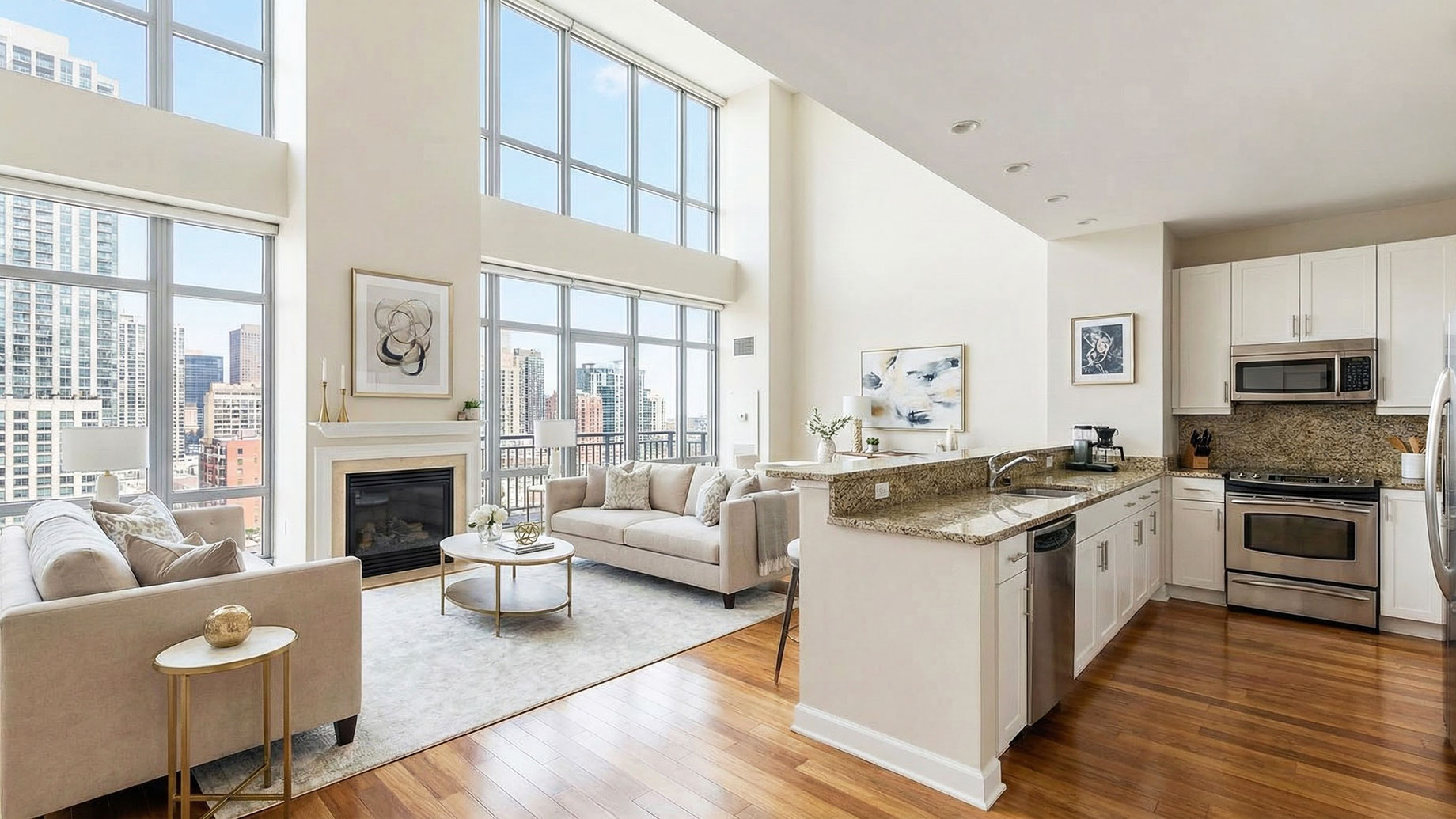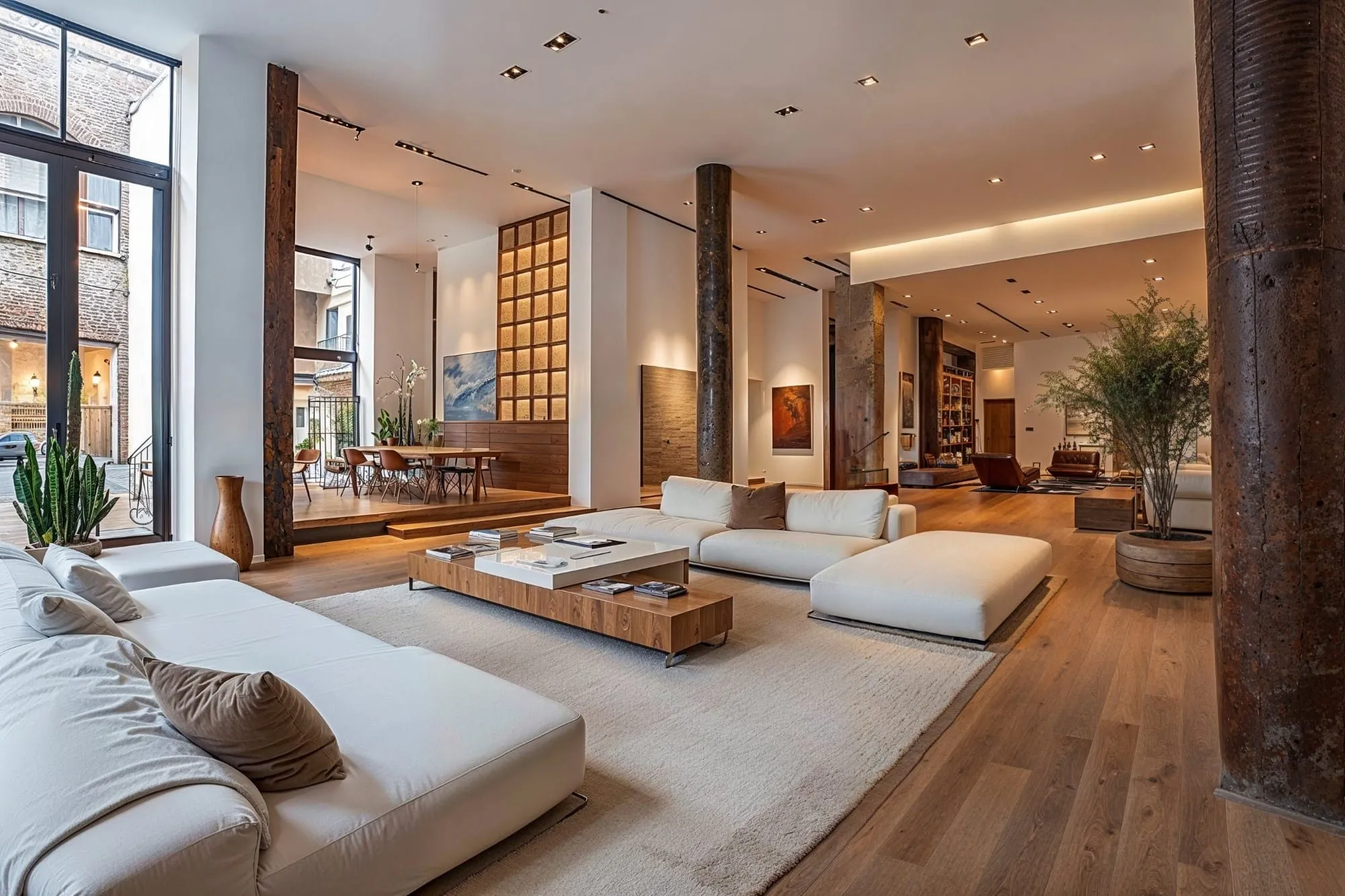
A home can look expensive and still feel cold, stiff, or oddly unfinished. The difference usually comes down to restraint, proportion, and the quiet confidence behind each choice. Luxury Home Design works best when it serves daily life instead of performing for guests. In many American homes, from renovated brownstones in Boston to new builds outside Dallas, the strongest rooms do not shout about money; they show care through scale, texture, lighting, and comfort.
Elegant interior living starts with the belief that beauty should make life easier, not harder. A marble island means little if nobody wants to sit there with coffee. Custom drapery falls flat when the room has no warmth at night. Good design earns its place every morning and every evening. For homeowners, designers, and brands building visibility in the home space, a trusted design visibility partner can help connect refined ideas with the right audience without turning the message into noise. The real goal is simple: create a home that feels calm, personal, and quietly impressive.
Architecture Sets the Tone Before Decor Speaks
A polished home begins long before the first sofa arrives. The bones of the space decide whether upscale home interiors feel natural or forced. Ceiling height, window placement, hallway width, stair design, and sightlines all shape the emotional weight of a room. Decor can soften weak architecture, but it cannot fully rescue a layout that feels confused from the start.
Proportion Matters More Than Expensive Finishes
A room with perfect proportions can carry simple materials with grace. A room with poor proportions can make costly stone, imported fixtures, and designer furniture look strangely out of place. This is why many high-end American homes now invest more attention in layout planning than surface decoration. The quiet math behind a room often matters more than the price tag inside it.
Large rooms need furniture with enough scale to hold the space. A sectional that looks generous in a showroom may look timid in a great room with a 16-foot ceiling. In a Manhattan apartment, the opposite problem appears. Oversized pieces can choke the room and make high-end home decor feel like a showroom mistake. The right scale gives the eye somewhere to rest.
Good proportion also protects comfort. A dining room should allow chairs to move without scraping walls. A bedroom should give the bed presence without making nightstands feel trapped. These details sound plain, yet they separate a graceful home from one that only photographs well.
Sightlines Create the First Feeling
The first view into a home sets the mood before anyone notices the furniture. A front door that opens to a balanced console, a framed artwork, or a soft view toward a garden sends a clear message. A front door that opens to clutter, awkward angles, or the side of a refrigerator tells a different story.
Modern luxury interiors often rely on controlled sightlines. That does not mean every view needs drama. Sometimes the strongest move is a quiet one: a hallway ending in a sculptural chair, a kitchen view softened by pendant lights, or a living room arranged so the fireplace and windows share attention. The eye wants order before it wants sparkle.
This is where many homes lose their polish. Owners spend heavily on visible pieces but ignore what the eye sees from room to room. A refined home feels connected. You sense that someone thought about the walk from entry to kitchen, from bedroom to bath, from patio back into the family room. That rhythm creates trust.
Material Choices Should Feel Rich, Not Loud
Once the structure feels settled, materials carry the personality of the home. Elegant interior living depends on surfaces that age with dignity. Gloss alone rarely creates depth. The richest rooms often mix stone, wood, linen, wool, plaster, leather, and metal in a way that feels collected over time rather than purchased in one rushed season.
Natural Texture Beats Perfect Shine
A polished floor can impress for five minutes. A layered room holds attention for years. Natural texture gives the home a human pulse because no surface looks machine-flat or lifeless. White oak with visible grain, honed marble, limewash walls, handmade tile, and brushed brass all carry small variations that make a space feel alive.
Upscale home interiors in the USA have moved away from cold, glossy perfection for good reason. Families actually live in these homes. Dogs run across floors. Children drop backpacks. Guests set glasses down. A material palette that shows small marks with grace will always age better than one that panics at the first scratch.
Texture also helps neutral rooms avoid boredom. A cream living room can feel flat when every surface has the same finish. Add bouclé on a chair, matte plaster on the wall, oak underfoot, and linen at the windows, and the room changes. Nothing screams for attention, but everything contributes.
High-End Home Decor Needs Breathing Room
High-end home decor loses power when every corner competes. A room full of statement pieces becomes visual traffic. The better move is to choose one or two moments of strength and let the rest support them. A sculptural coffee table can lead the room if the rug, sofa, and lamps know how to step back.
American homes often struggle with overfilling because larger square footage tempts owners to keep adding. A big wall does not always need a gallery. A wide console does not need twelve objects. Negative space has value. It lets fine materials, artwork, and furniture shapes register clearly.
The best rooms feel edited, not empty. A pair of lamps, a heavy ceramic bowl, one strong painting, and a generous sofa can do more than a dozen accessories fighting for attention. Luxury lives in selection. It rarely lives in excess.
Lighting Decides Whether the Home Feels Alive
Light can make a beautiful room feel flat or make a simple room feel expensive. Modern luxury interiors rely on lighting layers because one overhead fixture cannot carry mood, function, and atmosphere at the same time. A refined home changes from morning to evening without losing its sense of calm.
Layered Lighting Gives Every Room Range
A living room needs more than recessed lights. It needs ambient light for general glow, task light for reading, accent light for artwork or shelving, and soft lamps that make the room feel lived in after sunset. Each layer performs a different job. Together, they create range.
In a Los Angeles home, strong daylight may pour through glass walls all afternoon, then vanish into a dark box at night. In a Chicago townhouse, narrower windows may demand warmth even during the day. Lighting should answer the home’s actual conditions, not follow a formula from a catalog.
Dimmer switches deserve more respect than they get. They allow a kitchen to move from school-morning brightness to dinner-party warmth without changing the room itself. That small control makes daily life feel more considered. It is not flashy. It works.
Warmth Matters More Than Brightness
Brightness alone can make a home feel clinical. Warmth makes it feel settled. The color temperature of bulbs changes how paint, stone, wood, and skin look in the room. A costly bathroom can feel harsh under cool light, while a modest powder room can feel intimate under warmer lamps.
Elegant interior living depends on this emotional layer. Bedrooms need softness. Dining rooms need glow. Bathrooms need clarity near mirrors but calm near tubs. Kitchens need work light at counters without making the entire room feel like a store aisle.
Lighting also shapes hospitality. Guests may not name the reason a room feels good, but they feel it. They stay longer at a table when the light is flattering. They relax in a lounge chair when a lamp pools light nearby. A home becomes memorable when the atmosphere helps people feel at ease.
Personal Detail Turns Refinement Into Home
Polish without personality feels staged. The final layer must belong to the people who live there. Upscale home interiors need personal detail because refinement alone can drift into sameness. The trick is choosing pieces that reveal taste without creating clutter.
Art and Objects Should Carry a Point of View
Art should not match the sofa like a fabric sample. It should bring tension, memory, humor, history, or color into the room. A quiet abstract above a fireplace can calm a formal space. A bold portrait in a hallway can wake up a traditional home. The right piece gives the room a voice.
Objects work the same way. A bowl brought back from Santa Fe, a stack of architecture books, a vintage mirror from a Palm Springs market, or framed family photography can add depth that no mass-produced accessory can copy. The point is not rarity. The point is connection.
Modern luxury interiors feel strongest when personal pieces sit inside disciplined design. Too much sentiment can make a room messy. Too much control can make it sterile. The balance sits between the two, where the home feels curated but not frozen.
Comfort Is the Final Test of Taste
A beautiful chair that nobody wants to sit in has failed. A formal room that the family avoids has failed. A guest suite that looks perfect but lacks a reading lamp, a luggage surface, and decent bedding has failed. Comfort is not the enemy of refinement. It proves refinement has purpose.
High-end home decor should invite touch. Sofas need depth. Rugs need softness under bare feet. Dining chairs need enough support for long meals. Bedding should feel layered without becoming fussy. These details shape the way people remember a home after they leave.
The strongest American homes do not make guests afraid to touch anything. They create ease without losing standards. That is the mark of taste with confidence. It knows when to impress and when to welcome.
Conclusion
A refined home does not come from buying every premium finish available. It comes from making fewer choices with better judgment. The rooms that last are the ones where architecture, material, light, and personal detail work together without begging for attention. That kind of discipline feels rare because it asks you to slow down before you spend.
Luxury Home Design should make daily life feel calmer, warmer, and more intentional. It should help mornings move better, evenings feel softer, and gatherings unfold with less effort. The smartest next step is to walk through your home with fresh eyes and choose one room where scale, light, or texture feels off. Fix that first. A home becomes elegant one honest decision at a time.
Frequently Asked Questions
What makes luxury home design feel elegant instead of flashy?
Restraint makes the difference. Choose strong proportions, rich textures, warm lighting, and fewer decorative pieces. Flashy rooms chase attention from every corner, while elegant rooms guide the eye calmly and let each choice feel intentional.
How can I create elegant interior living in a smaller home?
Smaller homes need sharper editing. Pick furniture that fits the room, keep walkways open, use layered lighting, and choose materials with texture. A compact space can feel refined when every piece has a purpose and nothing crowds the eye.
What are the best colors for upscale home interiors?
Warm neutrals, muted greens, soft taupes, deep browns, charcoal, ivory, and clay tones work well in refined homes. The best color depends on natural light, flooring, and mood. Expensive-looking rooms often rely on depth rather than loud contrast.
How do modern luxury interiors avoid looking cold?
Warm lighting, natural wood, textured fabrics, art, and personal objects keep modern rooms from feeling stiff. Clean lines need human balance. A sleek room becomes inviting when the surfaces, seating, and lighting feel comfortable in real life.
Is high-end home decor worth the cost?
Quality pieces are worth it when they improve comfort, scale, or long-term durability. Spend more on sofas, rugs, lighting, mattresses, and dining chairs. Save on small accessories that can change over time as your taste evolves.
What is the biggest mistake in luxury interior design?
Overdecorating causes the most damage. Too many statement pieces weaken the room because nothing gets a chance to stand out. Strong design needs pause, space, and contrast, not constant visual noise from wall to wall.
How do I make my home look expensive on a budget?
Focus on lighting, paint quality, curtain length, furniture scale, and clutter control. Replace harsh bulbs, hang drapes higher, choose larger rugs, and remove weak accessories. A cleaner room with better proportions often looks richer than a crowded one.
What features matter most in elegant American homes?
Layout, natural light, storage, durable materials, and comfortable gathering spaces matter most. American homes often need to support busy family routines, guests, work-from-home areas, and relaxed weekends, so beauty must serve real living first.