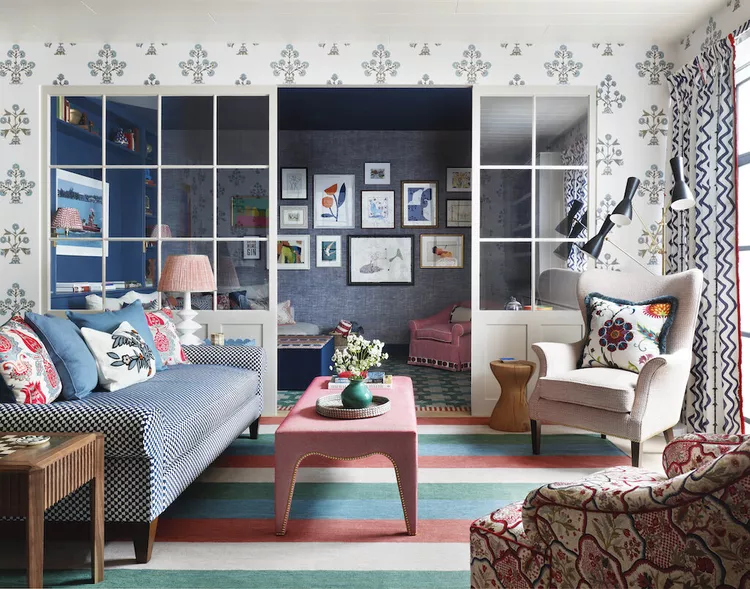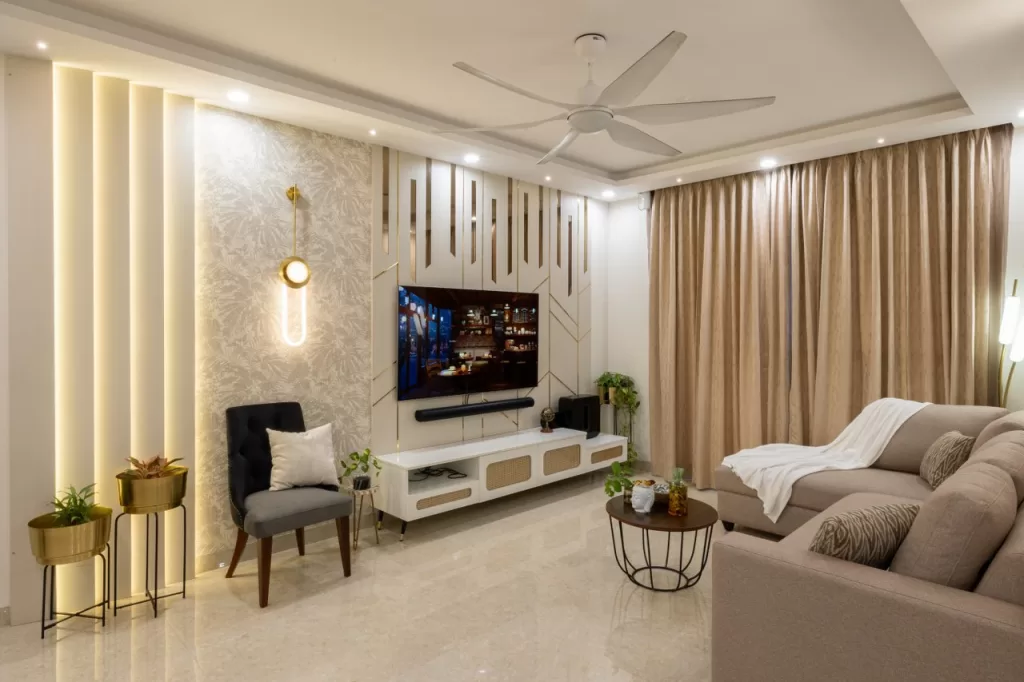
A beautiful home should not expire after one trend cycle. Many American homeowners are tired of rooms that look fresh for a season, then feel dated before the next holiday gathering. Timeless Interior Designs give you a better path: rooms with staying power, comfort, and enough personality to feel lived in rather than staged.
The secret is not buying the most expensive sofa or copying a showroom. It is learning how to choose materials, colors, proportions, and details that age with grace. That matters in U.S. homes where families move, remodel, host guests, work remotely, and expect every room to do more than look good in a photo. A strong interior also helps your home feel more connected to your lifestyle, whether you live in a Boston brownstone, a Dallas new build, a Chicago condo, or a coastal California bungalow.
For homeowners, designers, and brands sharing home inspiration through trusted digital visibility, the same idea applies: lasting value beats short-lived noise. A home with quiet confidence never has to shout for attention.
Design Choices That Age With Grace
Good rooms begin before anything decorative enters the space. The bones matter most: scale, flow, light, finishes, and how the room supports daily life. Elegant modern homes succeed when they avoid the trap of chasing novelty and instead build from choices that still make sense ten years later.
Natural Materials Make Modern Interiors Feel Grounded
Natural materials bring depth that synthetic finishes struggle to copy. Wood, stone, linen, wool, leather, clay, and metal develop character instead of looking tired. That is why a white oak floor, marble threshold, or unlacquered brass knob often feels better with age.
Modern interiors can become cold when every surface is glossy and perfect. A walnut dining table with slight grain variation fixes that problem fast. It gives the room a pulse, especially when paired with clean-lined chairs and simple lighting.
American homes also deal with real use. Kids drop backpacks, dogs scratch floors, coffee spills, and guests gather around kitchen islands. Natural materials can handle that life better when chosen with care. A honed stone counter may show marks, but those marks often blend into the surface over time instead of screaming for attention.
Classic Home Decor Works Best When It Is Edited
Classic home decor does not mean filling every corner with antiques or formal furniture. The strongest rooms use classic references with restraint. A tailored sofa, a framed landscape, a turned wood side table, or a shaded lamp can give a room history without making it feel frozen.
The mistake many homeowners make is treating tradition like a costume. A room packed with ornate pieces can feel heavy, even if each piece is beautiful alone. Editing gives classic home decor room to breathe.
A practical example is the American living room with a fireplace wall. Instead of crowding the mantel with matching candlesticks, oversized art, garland, and layered mirrors, choose one strong anchor. Then let the surrounding furniture stay clean and comfortable. The result feels collected, not crowded.
Color, Light, and Mood That Stay Relevant
Once the bones feel steady, color and light decide whether the home feels calm or chaotic. Lasting design style depends less on a single perfect paint shade and more on how tones move from room to room. A house should feel connected without looking copied.
Warm Neutrals Give Elegant Modern Homes More Life
Warm neutrals have more staying power than flat gray because they work with changing daylight. Cream, mushroom, taupe, oatmeal, soft white, putty, and muted clay can shift gently from morning to evening. That movement keeps a room from feeling dead.
Elegant modern homes often rely on this quiet warmth. A soft white wall with oak floors, linen curtains, and black window hardware can feel clean without becoming sterile. Add a deep green chair or a rust pillow, and the room gains personality without losing balance.
The trick is choosing neutrals with undertones that match your fixed finishes. A beige with pink undertones can fight yellow oak. A cool white can make cream cabinets look dingy. Paint is cheap compared with flooring and cabinetry, so test large samples before committing.
Layered Lighting Makes Rooms Feel Expensive
Lighting can rescue an average room or ruin a beautiful one. Ceiling lights alone flatten everything. Lamps, sconces, picture lights, pendants, and dimmers create depth because they let the room change throughout the day.
Modern interiors need lighting that supports real life. A kitchen needs bright task light over counters, softer light near seating, and warm evening light when cooking ends. A bedroom needs reading lamps that do not glare across the room. A hallway needs enough glow to feel welcoming, not enough brightness to feel like a clinic.
One counterintuitive truth: fewer fixtures can look richer when they are placed well. A single shaded floor lamp beside a reading chair may do more for mood than six recessed lights drilled across the ceiling. Light should guide the eye, not attack it.
Furniture Proportion and Layout With Staying Power
A room can have expensive furniture and still feel wrong if the scale is off. Layout is where beauty meets movement. Timeless Interior Designs depend on proportion because the best rooms let people sit, walk, talk, and live without noticing the room is working hard.
Bigger Is Not Always Better for Lasting Design Style
Oversized furniture looks tempting in a showroom, but homes punish bad scale. A massive sectional in a modest living room can block windows, shrink walkways, and make every other piece feel like an apology. Comfort matters, but comfort without proportion becomes clutter.
Lasting design style starts with measuring the room honestly. Leave enough walking space around seating. Choose a coffee table that relates to the sofa length. Keep chairs close enough for conversation. A room should not force guests to lean forward like they are negotiating across a boardroom.
A useful U.S. example is the open-concept suburban family room. Many homeowners buy one huge sectional because the room is large. Two sofas facing each other, or a sofa with two swivel chairs, often works better. It creates conversation, preserves traffic flow, and makes the space feel designed rather than filled.
Mixed Furniture Eras Make Rooms Feel Personal
A room bought in one weekend often looks weak no matter how much money was spent. Matching sets remove tension, and tension is what makes a room feel alive. Mixing furniture eras gives the space a sense of time.
Pair a clean modern sofa with a vintage campaign chest. Place a sculptural lamp on a traditional wood table. Use a simple upholstered bed with antique nightstands. The mix tells a better story than a catalog ever could.
Balance matters here. Too many eras can create confusion. Choose one dominant mood, then let the supporting pieces add contrast. A modern interior with one old mirror feels intentional. A room with twelve unrelated vintage finds can feel like a storage unit with better lighting.
Details That Make a Home Feel Finished
After layout, color, and materials settle into place, the smaller decisions carry surprising weight. Hardware, textiles, art, rugs, trim, and styling decide whether a home feels complete or almost there. The difference is often quiet, but you feel it the moment you walk in.
Textiles Soften Classic Home Decor Without Making It Fussy
Textiles make rooms livable. Curtains, rugs, pillows, throws, bedding, and upholstery absorb sound and soften edges. Without them, even a well-designed room can feel unfinished.
Classic home decor benefits from textiles because they reduce stiffness. A formal wood chair becomes inviting with a linen cushion. A traditional bedroom feels easier when the bedding has texture instead of shine. A dining room with a flat-weave rug can feel warmer without looking overly decorated.
American homes often need textiles that can handle mixed use. Performance fabrics have improved, and many now feel soft enough for main living spaces. Use them where life gets messy, then bring in natural fibers where touch matters most, such as bedding, curtains, and accent pillows.
Art and Objects Should Look Chosen, Not Displayed
Art gives a home its voice. The strongest pieces do not have to be expensive, but they need intention. A framed family photo, a local print, a vintage map, a small sculpture, or a painting from a weekend trip can hold more meaning than generic wall decor.
Lasting design style avoids the mistake of filling every blank wall. Empty space gives the eye a place to rest. When every shelf, table, and wall competes for attention, nothing feels special.
A better approach is to group objects by weight, shape, or story. Place three ceramic pieces together because their forms speak to each other. Hang one large artwork instead of six small pieces when the room needs calm. Let a few things matter, then leave the rest alone.
Conclusion
A home does not become timeless by refusing change. It becomes timeless by choosing a strong foundation, then allowing life to add character over time. Trends can still have a place, but they should act like seasoning, not the whole meal.
Timeless Interior Designs work because they respect how people actually live. They give you rooms that can host Thanksgiving, survive a Tuesday morning rush, support quiet evenings, and still feel beautiful when the paint color everyone loved last year disappears from design magazines.
Start with one room and make the honest changes first. Fix the lighting, edit the furniture, choose better materials, and remove anything that only exists because it once seemed trendy. Your next step is simple: walk through your home today and identify the one choice that feels loudest, weakest, or most temporary, then replace it with something built to stay.
Frequently Asked Questions
What are the best timeless interior design ideas for modern homes?
Natural materials, warm neutral colors, balanced furniture, layered lighting, and meaningful art create the strongest foundation. The goal is not to avoid personality. The goal is to build rooms that feel current without depending on short-lived trends.
How do I make elegant modern homes feel warm?
Use wood, linen, textured rugs, warm paint tones, shaded lamps, and personal objects. Modern rooms feel warmer when they include touchable surfaces and soft light. Clean lines need contrast, or the space can feel cold.
What colors work best for modern interiors with timeless style?
Soft white, cream, taupe, mushroom, muted green, clay, navy, and warm gray work well. These colors adapt across seasons and pair easily with natural materials. Test samples in daylight and evening light before painting the full room.
How can classic home decor fit into a new house?
Use classic pieces as anchors rather than filling the whole home with traditional furniture. A vintage mirror, tailored sofa, wood chest, or shaded lamp can add depth. Pair those pieces with cleaner shapes so the room feels fresh.
What furniture choices support lasting design style?
Choose pieces with good proportion, strong frames, and simple silhouettes. Avoid furniture that depends on extreme shapes or trendy finishes. A well-scaled sofa, solid dining table, and comfortable chairs will outlast most decorative updates.
How do I decorate a timeless living room on a budget?
Start by editing clutter, improving lighting, and rearranging furniture for better conversation. Add one quality rug, simple curtains, and a few meaningful objects. Paint can also change the room dramatically without requiring a full renovation.
Are modern interiors better with neutral or bold accents?
Neutral foundations usually last longer, while bold accents work best in smaller doses. Use stronger color through pillows, art, lamps, or a single chair. That approach gives you personality without forcing expensive changes later.
What makes a home look dated fastest?
Overused trend finishes, matching furniture sets, poor lighting, and decorative clutter age a home quickly. Rooms also feel dated when they ignore proportion. Good design starts with scale, comfort, and materials that can handle real life.