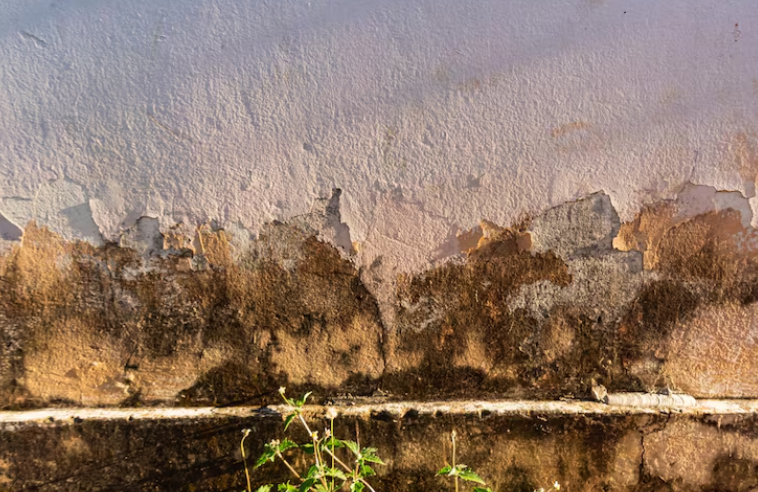
Damp can be more than an unpleasant mark on a wall. If left untreated, moisture can lead to finish deterioration, unpleasant smells, poor insulating properties, and further deterioration. But not all damp issues are the same.
Different types of damp can occur for a variety of reasons, such as rising damp, penetrating damp, condensation, and plumbing-related damp. Homeowners should be aware of the source of the moisture and the only work required before paying for any treatment.
An expert evaluation can be valuable in determining the source of the issue and in helping them pick the right solution that’s going to actually solve the problem and not just mask its symptoms.
Finding the Source of Dampness
The first important step is to identify the source of moisture in/on the property. Common causes include:
- Ground moisture
- Damaged external walls
- Improperly installed gutters or downspouts
- Plumbing leaks
- Poor ventilation
- Condensation
- Faulty window and door seals
Before recommending any work, a professional inspection helps to assess the areas and elements of the building around the affected area.
Understanding Different Types of Damp
Not every damp is the same. Rising damp is water that creeps up the walls from the ground through bricks and mortar. Penetrating damp occurs when water leaks through external walls, roofs, or ceilings from outside, such as broken masonry, roofs, gutters, or pointing.
The source of condensation damp is different from that. It happens when warm, moist air inside the house comes in contact with cooler surfaces. Knowing the difference is important because treating damp with a solution that is not meant for the same type of damp can be ineffective.
Prepare for Damp Proofing Treatment
After the cause has been determined, the homeowner should be fully aware of the suggested damp proofing treatment. Ask the contractor to explain:
- Find the source of the damp
- Areas that need treatment
- What preparation is needed?
- Determine the materials that will be used.
- The estimated duration of the work.
Often walls must be prepared for remedial treatment, and in some cases, damaged plaster or finishes must be removed and replaced.
Professional Services Help to Protect the Property
The right damp-proofing is meant to resolve moisture issues by a technique that fits the property’s condition. If properly diagnosed and used, remedial measures can prevent walls and interior finishes from further exposure to moisture.
But treatment is not a panacea. If the leak in the gutter, damaged roof, plumbing line, or ventilation problem is causing the moisture, the source of the moisture must be fixed as well. The best way to do this is to properly treat the issue and then repair it so that moisture is no longer allowed to seep back in.
Make Sure to Ventilate
Some dampness issues can be minimised by adequate ventilation and regular management of the home. Bathrooms, kitchens, and similar areas that produce lots of moisture should be well ventilated.
Another critical area for homeowners to look at is gutters; ensure that they are free of debris, and inspect exterior walls, seals, and plumbing leaks immediately. Simple steps can help to minimise moisture levels and preserve remedial work.