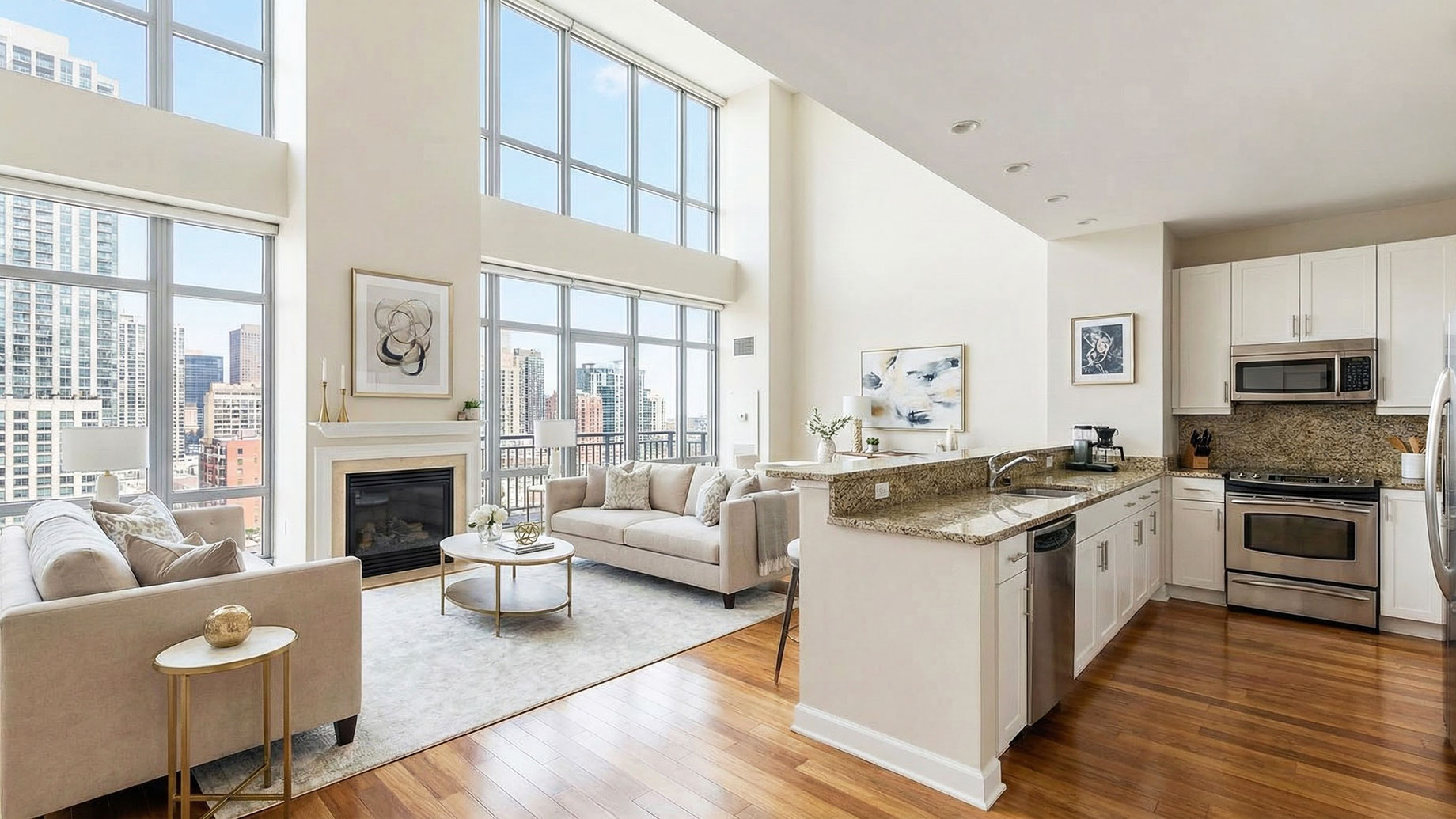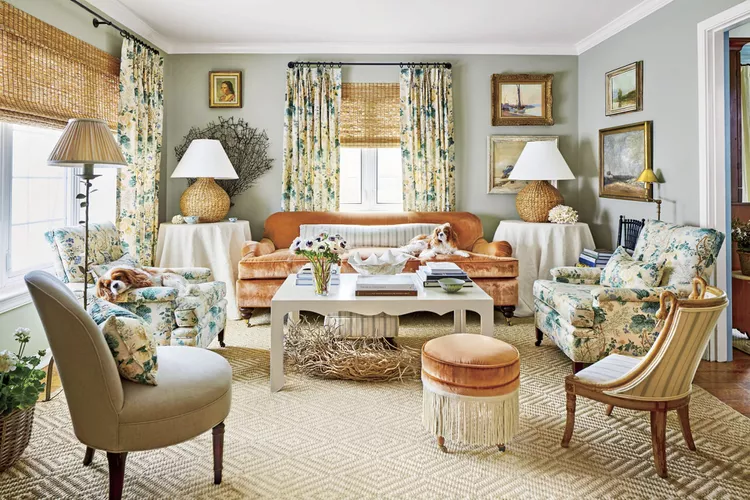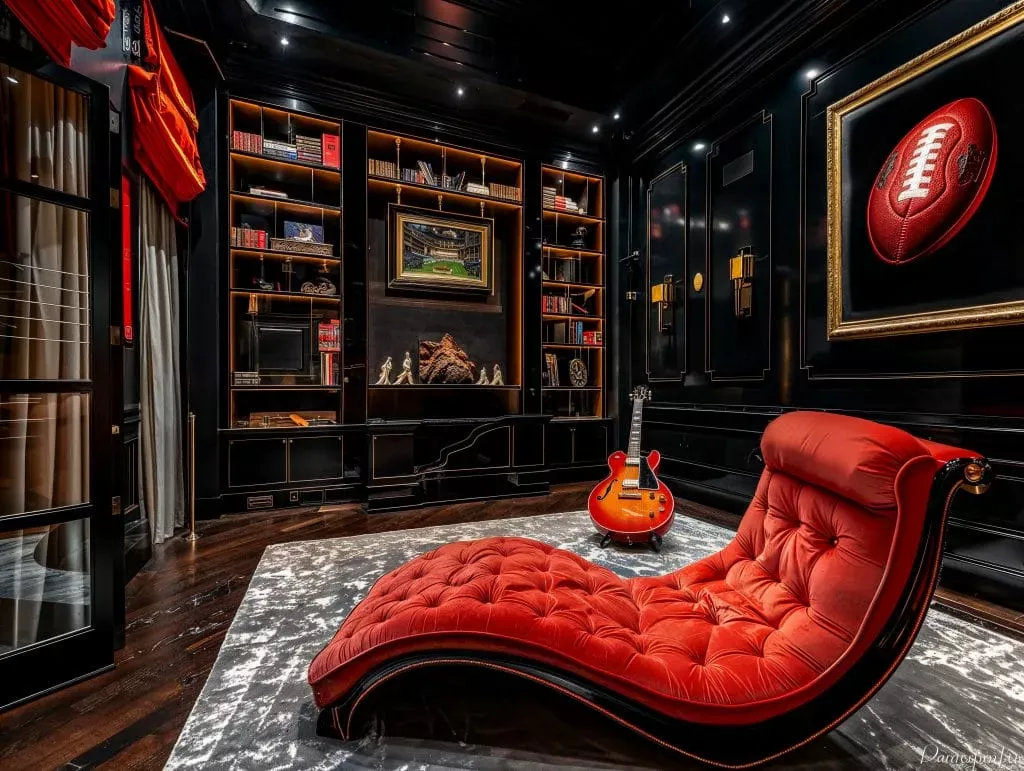
A cramped home does not need to feel like a compromise. Across the USA, more people are learning that comfort depends less on square footage and more on how wisely each corner works. Compact living ideas help you turn tight rooms, awkward layouts, and shared spaces into a home that feels calm, useful, and personal. The trick is not stuffing more into less space. The trick is choosing what earns its place. A small apartment in Chicago, a bungalow in Austin, or a studio in Brooklyn can feel better than a large house that wastes every room. Smart choices make that happen. When homeowners, renters, and design professionals want stronger visibility for practical lifestyle solutions, a digital PR and brand visibility partner can help those ideas reach the people who need them. For you, the real work begins at home. Every shelf, chair, drawer, and wall should support daily life without crowding it.
Compact Living Ideas That Start With Space Discipline
Small homes punish guesswork. A couch bought on impulse, a dining table chosen for fantasy dinner parties, or a cabinet that blocks a walkway can make a room feel smaller within minutes. Space discipline means you stop designing for an imaginary lifestyle and start designing for the way you live on Tuesday morning.
Why Small Space Design Begins With Honest Editing
Good small space design starts before you buy anything. Walk through your home and notice what slows you down. Shoes near the door, mail on the counter, laundry without a landing spot, and kitchen tools spread across three drawers all point to the same problem: your home lacks clear zones.
A Los Angeles studio renter may not have a formal entryway, but a narrow wall hook, a slim shoe rack, and one tray for keys can create the function of one. That tiny decision keeps the rest of the room from becoming a drop zone. Order starts at the door.
Small space design also asks you to admit which items no longer match your life. The large exercise bike used as a coat rack, the extra accent chair no one sits in, and the stack of serving bowls from a past hosting phase all charge rent in your home. They take space, attention, and patience.
How Multifunctional Furniture Prevents Daily Friction
Multifunctional furniture works best when it solves a real problem, not when it looks clever online. A storage ottoman helps if blankets, remotes, or kids’ toys need a fast hiding place. A lift-top coffee table helps if your living room also works as a laptop station.
A queen bed with drawers can change a small bedroom more than a new paint color. In many American apartments, closets are either shallow, narrow, or poorly planned. Under-bed storage gives bulky items a place to go without turning the room into a maze.
The mistake comes when every piece tries to do too much. A sofa bed, storage bench, fold-down desk, and nesting table can overwhelm a room if none of them leave breathing room. Multifunctional furniture should reduce movement, not create a showroom of moving parts.
Storage That Feels Built Into Real Life
Once the room has been edited, storage becomes easier to plan. The best storage does not scream for attention. It sits quietly in the background, catches clutter before it spreads, and makes your home easier to reset at night.
Apartment Storage Solutions That Use Vertical Space
Apartment storage solutions often fail because people focus only on floor space. Walls can work harder. Tall bookcases, floating shelves, peg rails, and over-door organizers can free up the lower half of a room, which is the part your body feels most.
A renter in Boston may not want to drill into every wall, but tension shelves, freestanding ladder units, and removable hooks can still create strong vertical storage. The goal is to lift objects out of walking paths and give them clear homes.
Apartment storage solutions work better when they match habits. If you always drop your bag near the sofa, do not place the storage basket in the bedroom. Put it where the habit already happens. A system that fights your routine will lose by Friday.
Hidden Storage Works Best When It Stays Easy
Hidden storage can turn messy rooms into calmer ones, but only if access stays simple. Storage boxes stacked six high in a closet may look organized for one afternoon. Two weeks later, the lower boxes become forgotten territory.
Choose hidden storage for items used weekly or monthly, not several times a day. Seasonal bedding, guest towels, board games, and extra cords make sense under a bed or inside a bench. Everyday items need easier access, or they will drift back onto counters.
A cozy small home should not require a full reset every night. It should support small habits: one basket for living room clutter, one drawer for chargers, one hook for each coat, and one cabinet shelf that is not packed to the edge. Empty space is not wasted space. It is what lets the system keep working.
Comfort Comes From Flow, Light, and Texture
Storage solves pressure, but comfort comes from feeling. A small home can be tidy and still feel tense if the layout blocks movement, the lighting feels harsh, or every surface looks flat. Comfort needs softness, rhythm, and a clear path through the room.
Cozy Small Home Choices That Change Mood Fast
A cozy small home often begins with lighting. Overhead lights can make a compact room feel exposed, especially in the evening. Floor lamps, wall sconces, table lamps, and warm bulbs create layers that make the space feel settled.
Texture matters too. A washable rug under the coffee table, linen curtains near a window, a soft throw on the couch, and a wooden tray on a table can make a room feel finished without adding clutter. The eye needs variety, but the room still needs restraint.
A cozy small home should feel lived in, not staged. One framed print from a road trip, a stack of favorite books, or a ceramic bowl from a local market carries more warmth than ten generic decorations. Personality does not require piles of objects.
Flow Matters More Than Matching Furniture
Furniture layout can make or break comfort. A narrow path between the sofa and coffee table may seem harmless, but it changes how the room feels every time someone walks through it. Small irritation builds.
In a compact Denver apartment, pushing all furniture against the walls may sound logical. Often, it makes the room feel like a waiting area. Pulling a chair slightly inward, choosing a smaller round table, or using a rug to define the seating area can create a stronger sense of purpose.
Matching furniture matters less than scale. A slim loveseat, two nesting tables, and one strong lamp can outperform a bulky sectional that technically fits but steals every inch of movement. Good flow feels invisible because nothing gets in your way.
Daily Systems Keep Small Homes Comfortable
A small home does not stay comfortable because it was designed well once. It stays comfortable because the daily systems are light enough to repeat. That is where many people lose the plot. They design the room, but they forget the routine.
Small Space Design for Morning and Evening Habits
Small space design should respect the busiest parts of the day. Morning routines need clear counters, visible essentials, and fast exits. Evening routines need landing zones, soft lighting, and easy cleanup.
A family in a small Philadelphia row house may need backpacks, lunch bags, shoes, and sports gear handled near the back door. One bench with cubbies can prevent the kitchen from becoming the command center for every object. The room works because the mess gets intercepted.
Night routines need the same attention. Put a laundry basket where clothes actually land. Keep a charging station away from the bed if screens disrupt sleep. Place a small tray near the sofa if remotes and glasses wander. Practical placement beats perfect styling.
Multifunctional Furniture Should Support Boundaries
Multifunctional furniture becomes more valuable when your home carries more than one role. Many Americans work, relax, exercise, eat, and host from the same few rooms. Without boundaries, everything bleeds together.
A fold-down desk can help a living room become an office during the day and return to rest mode at night. A dining table with hidden leaves can support weekday meals and weekend guests without taking over the room all week. The furniture should let you switch modes without dragging the whole house into chaos.
The deeper point is emotional. When every object has a role and every role has a stopping point, your home feels less demanding. Compact Living Ideas work because they give you control over the space you already have, not because they pretend a small home is secretly large.
Conclusion
Small homes reveal the truth about design faster than large ones. Every poor choice shows up quickly, but every smart choice pays you back every day. You do not need a bigger place to feel more settled. You need fewer dead zones, better storage, softer light, honest furniture, and routines that match your actual life. Compact living ideas are not about shrinking your standards. They are about raising the standard for what every inch must do. Start with one area that annoys you daily, fix the friction there, and let that win guide the next change. A comfortable small home is built through decisions you can live with, repeat, and enjoy. Choose one room today, remove what no longer earns its place, and give your home back its breathing room.
Frequently Asked Questions
What are the best compact living ideas for small apartments?
Start with furniture that fits the room, storage that follows your habits, and lighting that softens the space. A slim sofa, wall shelves, under-bed drawers, and warm lamps can change a small apartment faster than a full remodel.
How can I make a cozy small home feel less crowded?
Keep surfaces clear, reduce duplicate items, and add texture through rugs, curtains, and throws instead of extra decor. A cozy small home feels calm when the eye has places to rest and walkways stay open.
What small space design mistakes should I avoid?
Avoid oversized furniture, random storage bins, blocked windows, and layouts that force awkward movement. Small space design works best when every item has a purpose, every path stays clear, and each room supports real daily habits.
Which apartment storage solutions work for renters?
Freestanding shelves, under-bed bins, over-door organizers, tension rods, rolling carts, and removable hooks work well for renters. Apartment storage solutions should add function without damaging walls or making move-out harder.
Is multifunctional furniture worth buying for small homes?
Yes, when it solves a clear need. Multifunctional furniture works well as storage beds, lift-top tables, sleeper sofas, and benches with hidden compartments. Skip pieces that look clever but make daily use harder.
How do I create more comfort in a small living room?
Use smaller-scale seating, layered lighting, soft textiles, and one clear focal point. Keep the coffee table proportional and leave enough walking space. Comfort comes from ease, not from filling every corner.
How can small homes stay organized every day?
Build simple reset points into your routine. Use one basket for loose items, one tray near the door, one laundry zone, and one drawer for daily tools. Organization lasts when cleanup takes minutes, not an hour.
What is the fastest way to improve small home comfort?
Fix the most annoying daily friction first. Clear the entryway, improve bedroom storage, add better lighting, or replace one bulky item. A single smart change can make the whole home feel easier to live in.