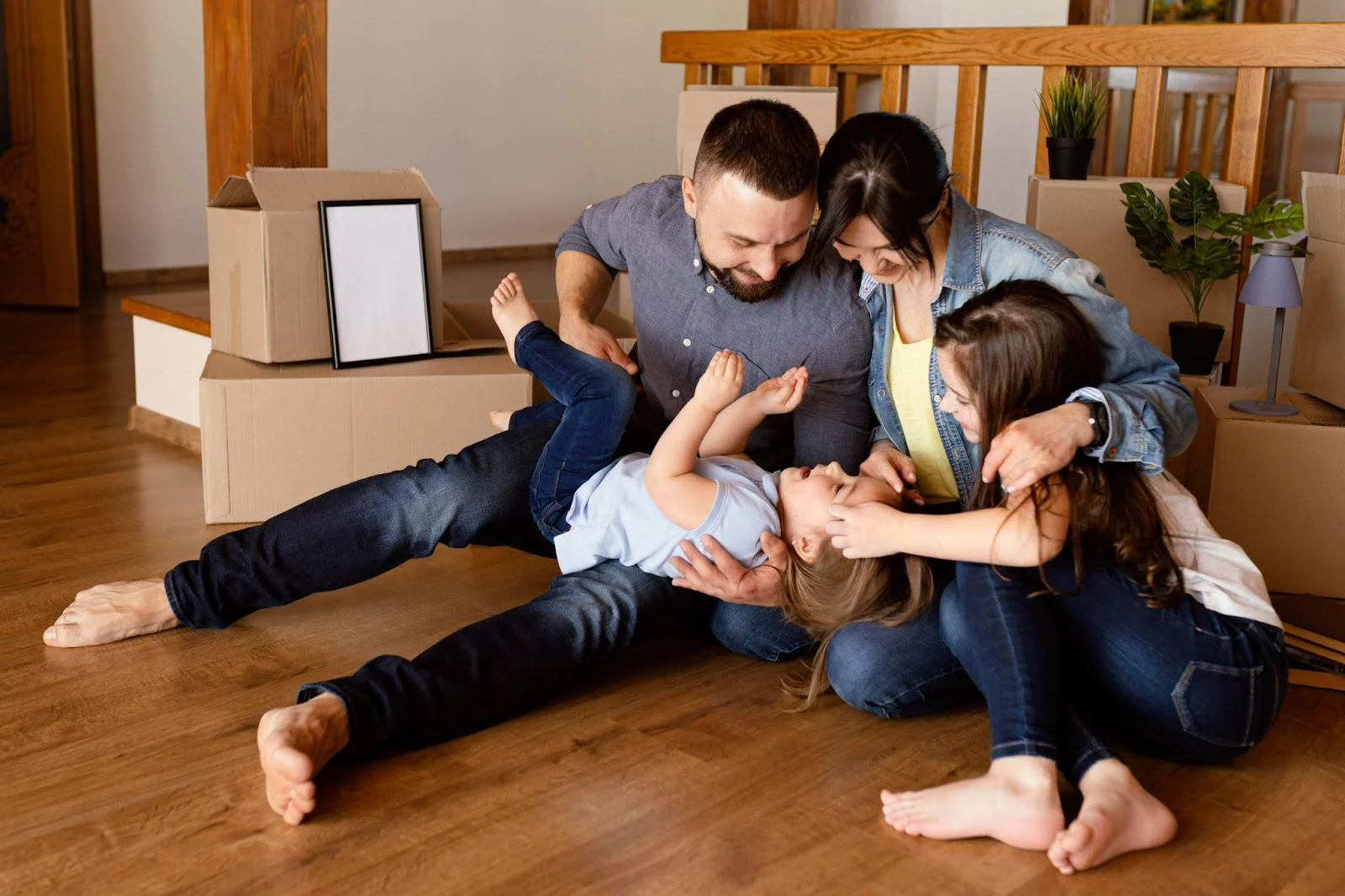
A house can look calm from the curb while hiding a dozen small hazards in plain sight. A loose rug, a tired smoke alarm, a cluttered stairway, or an unlocked side door can turn an ordinary day into a hard lesson no family wanted. Strong Family Protection starts with the choices you make before anything goes wrong, not with panic after trouble arrives. For families across the United States, home safety is less about fear and more about building a place where children, adults, guests, and older relatives can move through daily life with confidence. Local habits matter too, which is why community-focused resources such as local safety awareness can fit naturally into the way families think about safer neighborhoods and better-prepared homes. The goal is not to make your house feel locked down or tense. The goal is to remove the weak spots that keep stealing your peace, one room and one routine at a time.
Home Safety Begins With the Way Your Family Actually Lives
A safe home is not built from a checklist you copy once and forget. It grows from watching how people move through the space when they are tired, distracted, rushed, or carrying too much at once. That is where home safety becomes practical instead of decorative. The best changes are the ones that match your real routines, because the polished version of family life rarely causes accidents. The messy Tuesday evening version does.
Spotting Everyday Risks Before They Become Emergencies
Most household hazards do not announce themselves. They sit quietly near the places you trust most: the bathroom floor, the kitchen counter, the garage shelf, the hallway outside a bedroom. A parent may step over the same extension cord for weeks until a child trips over it while running to answer the door. That is how many preventable injuries begin, not with drama but with repetition.
Walk through your home at the speed of a child, an older adult, and a distracted worker carrying laundry. Each view exposes a different risk. Low cabinets reveal cleaners within reach. Dim stairways show where a missed step could happen. A crowded entryway makes clear why someone might fall while taking off wet shoes.
Home safety works best when you fix the boring risks first. Secure rugs, clear walking paths, add nightlights, store sharp tools properly, and keep heavy items off high shelves. None of this feels exciting, but safe families win through dull consistency more often than heroic reaction.
Why Comfort Should Not Compete With Safety
Many families resist safety upgrades because they picture plastic corners everywhere, warning labels on every surface, and a home that starts to feel like a clinic. That fear makes sense, but it misses the point. A safer home should feel easier to live in, not harder.
Good design hides protection inside normal comfort. A soft-close cabinet keeps little fingers safer without changing the look of the kitchen. A sturdy handrail makes stairs safer while giving guests more confidence. Better lighting can make a hallway warmer and safer at the same time. The best safety choices do double duty.
American homes vary widely, from apartments in Chicago to ranch houses in Texas to split-level homes in Pennsylvania. The right plan respects the house you have. A family in a small apartment may focus on smoke alarms, window locks, and outlet covers, while a suburban household may need garage storage rules, pool barriers, and driveway visibility. Safety becomes easier when it fits the home instead of fighting it.
Building Safer Rooms Without Turning the House Upside Down
Once you understand how your family moves, the next step is to shape each room around its actual risks. A kitchen does not need the same plan as a nursery, and a bathroom does not fail in the same way as a garage. Room-by-room thinking keeps the work manageable. It also stops you from wasting money on products that look useful but solve no real problem.
Childproofing Home Spaces Where Accidents Start
The kitchen deserves early attention because it mixes heat, water, sharp tools, glass, and distraction. A child can reach a pan handle faster than an adult can finish a text message. Turn handles inward, keep knives away from counter edges, and move cleaning products to locked storage. Simple habits matter more than fancy gadgets here.
Childproofing home areas also means thinking beyond toddlers. School-age children climb, experiment, and copy adult behavior. A medicine bottle left on a bathroom vanity can tempt a curious child who already knows how to open simple caps. A laundry pod can look harmless to a younger sibling. Treat storage as a living system that changes as children grow.
Living rooms carry different risks. Furniture that seems heavy to an adult can tip when a child pulls open drawers or climbs for a remote. Anchor dressers, bookshelves, and TV stands to the wall. This one task feels easy to postpone, which is exactly why it deserves a firm place on your weekend list.
Making Bathrooms and Bedrooms Safer at Night
Bathrooms create some of the most common household risks because water changes everything. A dry floor feels safe. A wet floor can betray anyone. Use non-slip mats inside and outside tubs, keep towels within reach, and fix slow leaks before they create slick spots. A small drip can become a fall hazard by morning.
Bedrooms need safety thinking too, especially for children, older adults, and anyone who wakes during the night. Keep cords away from beds, place lamps within easy reach, and create a clear path to the door. A nightlight in the hallway can prevent a half-asleep stumble without disturbing sleep.
Home safety also includes the air your family breathes while everyone is resting. Test smoke alarms and carbon monoxide alarms monthly, replace batteries as needed, and place alarms where they can wake sleeping people. A silent alarm is not protection. It is decoration with a battery compartment.
Emergency Preparedness Works Best When It Feels Ordinary
The safest families do not wait for perfect conditions to plan. They prepare in small, repeatable ways until readiness becomes normal. That matters in the United States, where households may face hurricanes, tornadoes, wildfires, winter storms, earthquakes, power outages, or neighborhood emergencies depending on where they live. A plan does not remove the threat. It keeps confusion from taking charge.
Creating Family Plans People Can Remember Under Stress
Emergency preparedness fails when the plan sounds impressive but nobody can follow it during fear. A family meeting that produces a five-page document may feel productive, yet panic does not read binders. Your plan needs plain language, clear roles, and meeting points everyone can repeat.
Choose two meeting places: one near the home and one outside the neighborhood. A mailbox, trusted neighbor’s porch, community center, or school parking lot can work depending on the situation. Make sure children know who is allowed to pick them up if phones fail or roads close.
Practice matters, but it should not feel theatrical. Run short drills for fire escape routes, severe weather shelter spots, and power outage routines. Keep them calm and brief. The goal is to make action familiar enough that your family does not freeze when a real alarm sounds.
Supplies That Help Without Taking Over Your Closets
Emergency preparedness often gets sold as a shopping project, which is why many families either overspend or do nothing. Start with what your household would need for three days without normal services. Water, shelf-stable food, flashlights, batteries, phone chargers, basic first aid items, medication copies, pet supplies, and cash cover more ground than most people think.
Store supplies where you can reach them when the lights are out. A beautifully packed bin buried behind holiday decorations will not help during a sudden outage. Keep a smaller grab-and-go bag near an exit with copies of key documents, a flashlight, chargers, and basic supplies.
Regional reality should shape your kit. A family in Florida may prepare for hurricane season with shutters, water storage, and fuel planning. A family in Minnesota may focus on winter heat loss, car blankets, and pipe protection. Preparedness becomes less stressful when it reflects the weather and risks your household already knows.
Home Security Is About Layers, Not Paranoia
After you reduce indoor risks and prepare for emergencies, security becomes the next layer of calm. Many people picture home security as cameras and alarms, but the strongest setups begin with ordinary behavior. Locked doors, visible lighting, trimmed landscaping, and neighbor awareness stop more trouble than people like to admit. Technology helps, but habits carry the weight.
Strengthening Doors, Windows, and Outdoor Visibility
The front door is both a welcome point and a weak point. A strong deadbolt, solid strike plate, and reinforced screws can make forced entry harder without changing how the home feels. Sliding doors need locks or security bars, and basement windows deserve attention because they are easy to forget.
Outdoor lighting changes how a property feels after dark. Motion lights near entries, garages, side yards, and driveways remove the cover that intruders prefer. Keep shrubs trimmed near windows so no one has an easy hiding place. A neat yard can be more than curb appeal; it can be quiet defense.
Home security also depends on what your family reveals. Packages left for hours, open garage doors, and social posts announcing travel can invite risk. Ask a neighbor to collect mail, pause deliveries, or use secure package boxes when you are away. The simplest choices often close the widest doors.
Using Smart Devices Without Losing Common Sense
Smart locks, doorbell cameras, leak sensors, and alarm systems can support a safer home when they serve a clear purpose. A doorbell camera helps you see visitors and deliveries. A water sensor near a washing machine can catch leaks before flooring is ruined. A monitored alarm may add peace when travel or long work hours leave the house empty.
Technology can create a false sense of control if families stop doing the basics. A camera does not replace a locked window. An app notification does not replace a working smoke alarm. A smart lock still needs strong passwords and routine checks. Convenience should support judgment, not replace it.
Privacy deserves a place in the conversation. Place cameras where they protect entrances and public-facing areas, not where family members or guests expect personal space. A safer home should not feel watched from the inside. Security should lower stress, not introduce a new kind of discomfort.
Conclusion
A safer home is not built in one dramatic weekend. It grows through ordinary choices that make danger less likely, confusion less powerful, and comfort easier to trust. Start where risk is most visible: the loose rug, the missing alarm battery, the unlocked window, the crowded stairway, the medicine within reach. Then move outward into stronger routines, clearer plans, and better habits. Family Protection does not require fear as fuel. It requires attention, follow-through, and the honesty to admit that small hazards count. Choose one room today, fix what you can see, and write down what still needs work. The safest home is not the one with the most devices; it is the one where care shows up before trouble does.
Frequently Asked Questions
What are the best home safety tips for families in the United States?
Start with smoke alarms, carbon monoxide alarms, clear walkways, secure furniture, locked medicines, safe storage for cleaners, and strong door locks. Then build habits around testing alarms, closing garage doors, checking outdoor lighting, and keeping emergency contacts where everyone can find them.
How often should families check smoke alarms and carbon monoxide alarms?
Test alarms once a month and replace batteries when needed. Follow the manufacturer’s replacement date for the full unit because old alarms can fail even when they still look fine. Place alarms near sleeping areas so they can wake the household fast.
What does childproofing home areas usually include?
It includes locking cabinets, covering outlets, anchoring furniture, moving sharp objects, securing cords, setting water heater temperatures safely, and storing medicine out of reach. The work should change as children grow, because older kids face different risks than toddlers.
How can emergency preparedness help during power outages?
A prepared home has flashlights, batteries, charged power banks, water, food, medication plans, and a way to receive local alerts. Families waste less time searching in the dark when supplies have a fixed place and everyone knows the basic routine.
What is the simplest way to improve home security?
Lock doors and windows every time, add motion lighting, reinforce door hardware, trim shrubs near entries, and avoid leaving packages in plain sight. These steps reduce easy opportunities without making the home feel tense or overbuilt.
How can older adults make their homes safer?
Clear walking paths, add grab bars, improve lighting, remove loose rugs, use non-slip mats, and keep daily items at reachable heights. A safer home for older adults should reduce bending, climbing, rushing, and walking through dark spaces at night.
What should every family emergency kit include?
Include water, food, flashlights, batteries, first aid items, needed medicines, phone chargers, copies of key documents, cash, hygiene items, and pet supplies when needed. Store the kit where it stays easy to reach during stress or darkness.
How do families keep home safety from feeling overwhelming?
Pick one area at a time and fix the risks that could cause the most harm first. A single weekend can handle alarms, medicine storage, walkway clutter, and door checks. Progress builds confidence faster than a giant list no one starts.