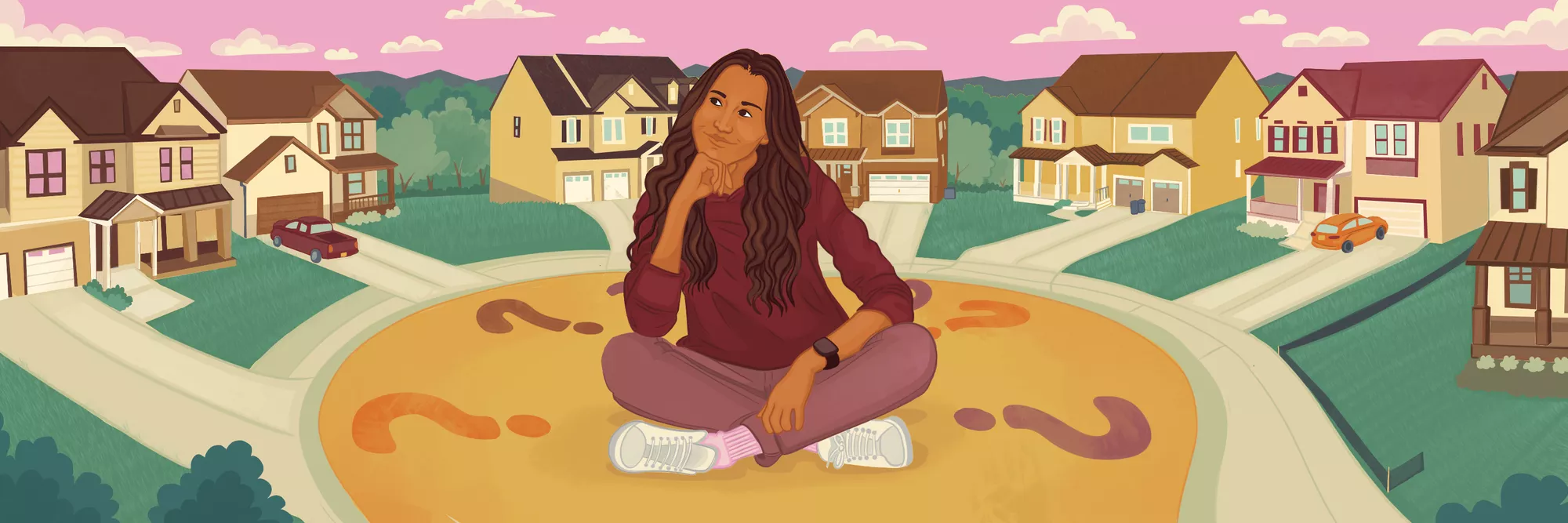
Buying your first home can make a calm person feel like they walked into a room where everyone else already knows the rules. You are not only choosing walls, rooms, and a neighborhood; you are making a money decision that can shape the next decade of your life. The best home buying tips do not start with paint colors or dream kitchens. They start with control. For first-time homebuyers in the USA, the real win is knowing what to check before emotion takes over. A good house can still be a bad purchase if the loan is wrong, the repairs are hidden, or the monthly cost stretches your life thin. That is why trusted guidance from platforms like local real estate and finance insights matters when you want plain advice without sales pressure. Your first home should feel exciting, yes, but it should also feel defensible. You want to look back in five years and know you made a clean, careful move.
Home Buying Tips That Start Before You Tour a House
The mistake many new buyers make is starting with listings. Listings are fun, but they can trick you into thinking the process begins with square footage, countertops, and backyard space. It does not. It begins with your numbers, your patience, and your ability to separate desire from readiness.
Why first-time homebuyers need a real budget before browsing
A real budget is not the maximum loan amount a lender says you can handle. That number often ignores the way you live on a normal Tuesday. Groceries, car insurance, medical bills, family support, school costs, and plain breathing room all matter more than a lender’s approval ceiling.
First-time homebuyers should build their budget from monthly comfort, not purchase price. A $350,000 home and a $350,000 home can feel different depending on taxes, insurance, HOA dues, and repair risk. The price tag only tells one part of the story.
The smarter move is to write down the payment you can live with even during a rough month. Then work backward from that number. That one step protects you from the quiet panic that hits people after closing when the house looks good, but the checking account looks nervous.
How mortgage preapproval changes your buying position
Mortgage preapproval gives you more than a shopping range. It tells sellers you are not guessing. In competitive U.S. markets, that matters because sellers often prefer buyers who already passed a lender’s first serious review.
A weak buyer asks, hopes, and waits. A prepared buyer moves with proof. Mortgage preapproval can also reveal credit issues, debt ratio problems, or income documentation gaps before you fall in love with a house you cannot finance cleanly.
There is a catch, though. Mortgage preapproval is not a trophy. It is a working tool. You still need to compare lenders, ask about rate locks, review loan types, and understand how your payment changes if taxes or insurance come in higher than expected.
Reading the Market Without Letting It Rush You
Once your money picture is clear, the market starts talking louder. Open houses get crowded. Agents mention other offers. Friends tell you prices will never come down. That noise can push you into a fast decision, but speed only helps when your judgment stays sharp.
What first-time homebuyers should watch in local neighborhoods
A neighborhood is not a backdrop. It is part of the purchase. First-time homebuyers should look past the listing description and study how the area behaves during normal life. Drive there in the morning, after work, at night, and on a weekend.
Look for simple clues. Are homes maintained? Is street parking tight? Do nearby roads get loud after 5 p.m.? Are grocery stores, schools, parks, and clinics easy to reach? A house can be charming and still sit in a daily routine that wears you down.
The counterintuitive truth is that the best-looking house is not always the best first home. A slightly smaller home in a stronger location can protect your resale value, cut daily friction, and make ownership feel lighter. Location does work you cannot see on closing day.
Why the listing price is only the opening move
A listing price is a signal, not a final answer. Some sellers price low to create bidding pressure. Others price high because they are emotionally attached. You need comparable sales, days on market, and condition details before deciding whether the price makes sense.
Your agent should help you review recent sales within the same area, similar size, and similar condition. Do not compare a renovated home with a tired one and pretend the numbers line up. That is how buyers talk themselves into overpaying.
Patience can save thousands here. If a home sits longer than similar listings, the seller may have room to negotiate. If a home has multiple clean offers, you may need a stronger strategy. The point is not to win every house. The point is to avoid winning the wrong one.
Protecting Yourself From Expensive Surprises
The emotional part of buying tells you to imagine furniture. The practical part tells you to look for water stains, old systems, and costs that wait behind pretty photos. Your job is not to become a contractor overnight. Your job is to ask better questions before your money becomes hard to recover.
Why closing costs deserve attention early
Closing costs can shock buyers who only saved for the down payment. These costs may include lender fees, appraisal fees, title charges, prepaid taxes, homeowners insurance, escrow deposits, and recording fees. In many U.S. purchases, they can add up fast.
You should ask your lender for a loan estimate and read it with a slow eye. Closing costs are not all equal. Some are fixed by third parties, while others may be lender-controlled or negotiable. A lower interest rate may also come with points that raise your upfront cash need.
Strong buyers plan for closing costs before making an offer. That prevents a painful scramble near the finish line. It also helps you decide whether to ask for seller credits, adjust your down payment, or keep extra cash for repairs after move-in.
How a home inspection protects your future wallet
A home inspection is not a formality. It is one of the few moments when the house has to answer hard questions. Roof age, plumbing condition, electrical safety, foundation movement, HVAC performance, drainage, and moisture problems all deserve attention.
A good home inspection does not mean you should panic over every flaw. Every house has issues. The real question is whether the problems are minor maintenance items or major expenses that change the value of the deal.
Read the report like an owner, not a dreamer. If the home inspection shows an aging roof, active leaks, unsafe wiring, or foundation concerns, slow down. Ask for repairs, request credits, renegotiate, or walk away if the risk no longer fits your budget. A pretty living room cannot cancel a bad foundation.
Turning the Offer Into a Smart Long-Term Decision
The offer stage feels like the finish line, but it is closer to a bridge. You are moving from interest to commitment, and every term matters. Price gets the attention, yet contingencies, timelines, credits, and cash reserves often decide whether the purchase stays healthy.
How to make an offer without losing your footing
A strong offer is not always the highest offer. Sellers care about certainty, timing, financing strength, and clean terms. You can compete without throwing away every protection that keeps you safe.
Your agent should help you decide where to stand firm and where to bend. Maybe you offer a fair price but keep inspection rights. Maybe you shorten a timeline because your documents are ready. Maybe you avoid a bidding war because the numbers no longer make sense.
This is where discipline matters. Some buyers raise their offer because they love the house. Others raise it because they hate losing. Those are not the same thing. The second reason is dangerous because it turns a home purchase into a contest, and contests make people careless.
What happens after acceptance and before closing day
An accepted offer starts a new round of work. You will handle inspections, appraisal, final loan approval, insurance, title review, and closing documents. The house may feel almost yours, but almost is not ownership.
Stay responsive during this stage. Send documents fast, avoid new debt, do not open new credit lines, and keep your cash steady. Lenders may recheck your finances before closing, and a careless purchase can create delays at the worst time.
Keep a small ownership reserve after closing. New owners often need locks changed, filters replaced, furniture moved, tools bought, or repairs handled. The smartest home buying tips end with this truth: closing day should not empty you. Buy the house, but keep enough strength to live well inside it.
Conclusion
Your first home should not feel like a leap into fog. It should feel like a decision you can explain clearly, defend calmly, and afford without turning every month into a tightrope walk. The buyers who do well are not always the ones with the biggest budget. They are the ones who slow down at the right moments, ask better questions, and refuse to let pressure make the decision for them.
The best home buying tips are less about chasing perfection and more about building protection. Know your payment comfort. Respect the inspection. Prepare for cash needs beyond the down payment. Study the area like you already live there. Then make an offer that fits your future, not your fear of missing out.
Start with your numbers today, speak with a trusted lender, and walk into your first purchase with calm confidence instead of hope dressed up as a plan.
Frequently Asked Questions
What should first-time buyers do before looking at homes?
Start by reviewing your income, debt, credit score, savings, and monthly comfort zone. Then get mortgage preapproval before touring homes. This gives you a clear price range and helps you avoid falling for a property that does not fit your real financial life.
How much money should first-time homebuyers save before buying?
Save for the down payment, closing costs, moving expenses, inspections, insurance, and a post-closing repair cushion. The exact amount depends on your loan type and market, but buying with no backup cash can make the first year of ownership stressful.
Why does mortgage preapproval matter for new buyers?
Mortgage preapproval shows sellers that a lender has reviewed your financial profile. It also helps you understand your likely loan amount, payment range, and possible issues before you make an offer. In competitive markets, it can make your offer look stronger.
What closing costs do buyers usually pay in the USA?
Common closing costs include lender fees, appraisal charges, title fees, prepaid property taxes, homeowners insurance, escrow deposits, recording fees, and sometimes loan points. Buyers should request a loan estimate early so they know how much cash they may need.
Is a home inspection worth it for a first home?
Yes, because an inspection can reveal safety issues, aging systems, water damage, roof problems, electrical concerns, and other repair risks. It gives you room to renegotiate, request repairs, or walk away before the purchase becomes final.
How can buyers avoid overpaying for a house?
Review recent comparable sales, study days on market, look at condition honestly, and avoid emotional bidding. A fair offer should reflect the local market and the home’s true condition, not fear, pressure, or competition from other buyers.
What mistakes do first-time buyers make most often?
Common mistakes include shopping before preapproval, ignoring closing costs, draining savings, skipping inspection details, overvaluing cosmetic upgrades, and choosing a house without studying the neighborhood. Most problems start when buyers move faster than their preparation.
When is the right time to buy a first home?
The right time comes when your finances are stable, your savings can handle upfront and surprise costs, and you plan to stay long enough for the purchase to make sense. Market timing matters, but personal readiness matters more.