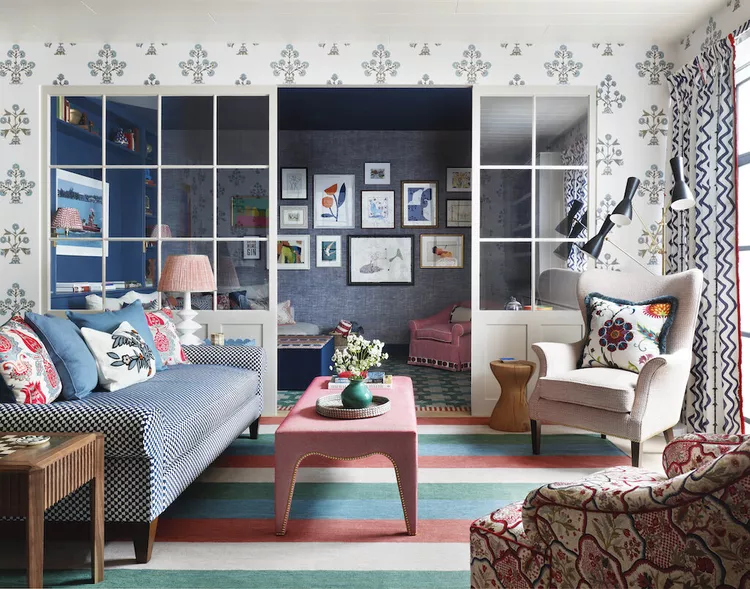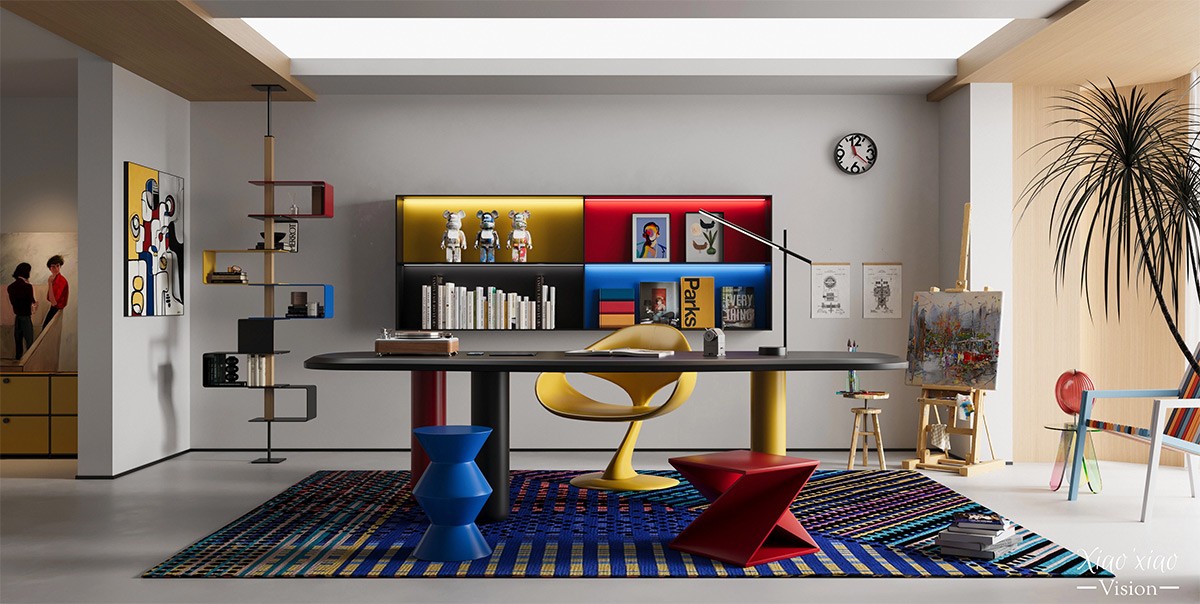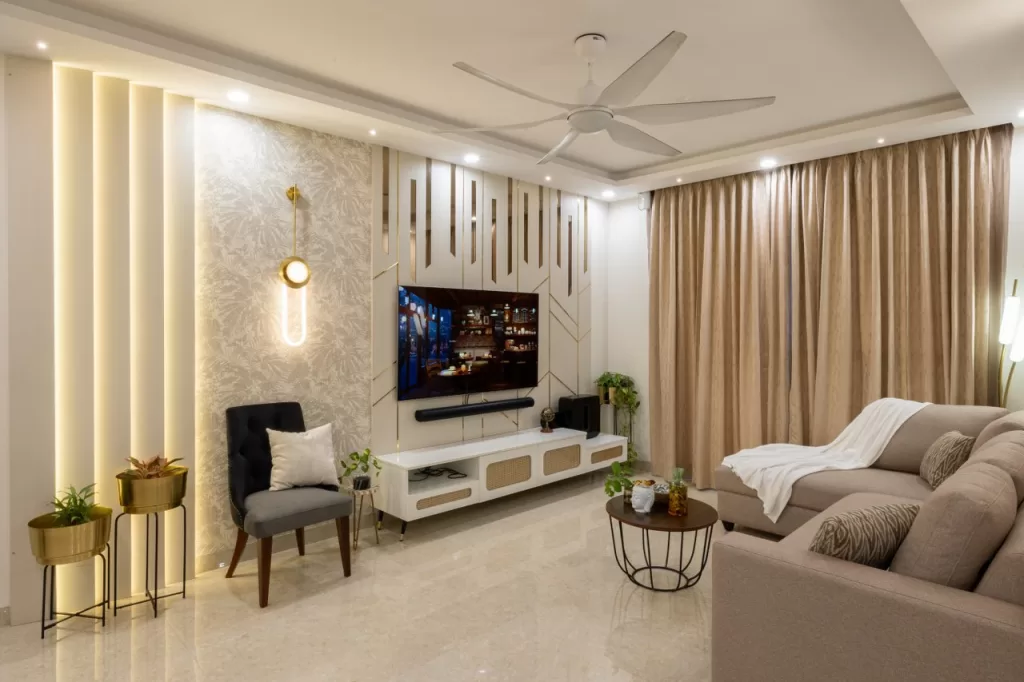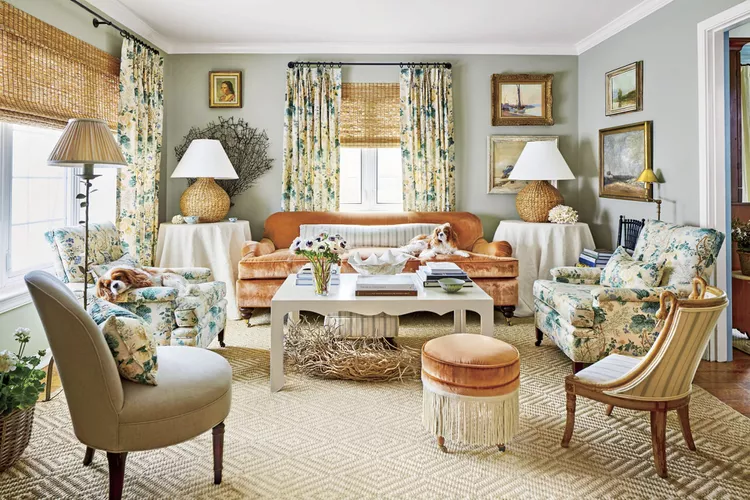
A living room can expose the truth about a household faster than any design quiz. Shoes land near the sofa, backpacks claim the chair, one person wants movie light, another wants a reading corner, and somehow the coffee table becomes a family command center by Tuesday night. The best living room ideas do not fight that reality; they make room for it without letting the space feel messy, cold, or staged.
American homes ask a lot from this one room. It may need to host Sunday football, homework, holiday guests, video calls, pet naps, and quiet coffee before the house wakes up. That is why good design starts with behavior, not paint chips. A home that feels calm usually has a plan behind it, even when it looks relaxed. For homeowners comparing design inspiration, lifestyle media, and practical home updates, trusted publishing platforms like home improvement resources can help connect ideas with real-world decisions.
A modern family living room should feel easy to use, pleasant to look at, and forgiving on ordinary days. Pretty matters. Livable matters more.
Living Room Ideas That Start With Real Family Habits
A room fails when it copies a showroom before it understands the people using it. A family with toddlers needs different choices than a couple with teenagers, a dog, and grandparents visiting every weekend. Strong design begins by watching what already happens in the space, then shaping the room so the good habits become easier and the annoying ones have fewer places to grow.
Family Room Design That Follows Daily Traffic
The path through a living room tells you where the furniture should go. Many U.S. homes have open layouts where the living room connects to the kitchen, entry, or dining area, so the space has to handle movement without feeling like a hallway. A sofa placed across the main walkway may look balanced in a photo, but it becomes a daily obstacle when people keep squeezing around it with groceries, laundry baskets, or plates of food.
A better family room design gives traffic a clear lane. That might mean floating the sofa a few feet away from the wall, choosing swivel chairs instead of bulky recliners, or replacing a square coffee table with a soft-edged oval one. The goal is not empty space for its own sake. The goal is a room where people move without bumping, dodging, or dragging furniture back into place.
One useful test is the “snack walk.” Can someone move from the kitchen to the sofa without stepping over a toy, clipping a corner, or blocking the TV? If not, the layout needs work before the decor does. A room that functions well often looks better because nothing feels forced.
Cozy Family Spaces Need Zones, Not Clutter
Comfort does not come from filling every corner. It comes from giving each activity a clear home. In many cozy family spaces, the room works because it has quiet zones: one seat near a lamp for reading, one basket for blankets, one surface for drinks, one cabinet for games, one open patch of floor for kids or pets.
This approach matters because family life creates visual noise. Remote controls, tablets, chargers, books, and throw pillows all multiply faster than expected. A room with zones absorbs that noise because each object has a likely place to return. Without zones, even tasteful decor starts to feel scattered.
A counterintuitive move helps here: leave one area intentionally underdesigned. A low bench beneath a window, a bare corner near the fireplace, or a clear section beside the sofa gives the room breathing space. Families often assume every wall needs art and every corner needs a chair. It does not. A little emptiness can make the rest of the room feel more cared for.
Choosing Furniture That Can Survive Real Life
Once the layout respects daily habits, furniture becomes the next test. A family living room does not need fragile pieces that demand constant warnings. It needs furniture that can take snacks, shoes, pets, guests, movie nights, and the occasional spilled drink without turning every accident into a household event.
Small Living Room Layout Choices That Make Seating Work Harder
A small living room layout succeeds when each piece earns its footprint. Oversized sectionals can work in some rooms, but in tight homes, they may swallow the floor and leave no flexible seating for guests. Two apartment-size sofas facing each other, a loveseat with two chairs, or a slim sectional with an open chaise can create better conversation and movement.
Scale matters more than style. A sofa with exposed legs often feels lighter than one with a blocky base. Armless accent chairs can slide closer during game night and move away when kids need space. Nesting tables can replace one large coffee table when the room needs to shift between adult conversation and family activity.
Storage furniture also needs discipline. An ottoman with hidden storage sounds helpful, but it becomes a junk drawer if nobody knows what belongs inside. Choose one purpose: blankets, board games, or kids’ books. One purpose keeps the piece useful. Three purposes turn it into a padded mystery box.
Durable Materials Can Still Look Warm
Performance fabric, washable slipcovers, leather, wool rugs, and indoor-outdoor textiles have changed what family furniture can be. The old tradeoff between attractive and durable is weaker than it used to be. A cream sofa can work in a family home if the fabric cleans well, the cushions hold their shape, and the household accepts that life will leave small marks.
Warmth comes from texture, not fragility. A nubby throw, a matte wood table, a woven shade, or a thick cotton pillow can soften modern home decor without making the room feel fussy. The mistake is choosing pieces that look delicate because the room needs “style.” Family rooms gain style when the materials make sense for how people live.
A good example is the rug. Many families buy a rug that is too small because the larger one feels expensive. Then the room looks chopped up, and chairs wobble half on and half off the edge. A larger, low-pile rug in a forgiving pattern often does more for the room than another accent chair. It grounds the seating, softens sound, and gives kids a comfortable place to sit.
Color, Lighting, and Texture Shape the Mood
Furniture solves the physical side of the room, but mood comes from what the eye and body feel first. Color, light, and texture decide whether the living room feels calm after work, cheerful on weekends, or tense because every surface seems to shout. Modern family rooms work best when the palette has confidence without demanding attention all day.
Modern Home Decor Works Better With Restraint
Modern home decor does not have to mean white walls, sharp corners, and furniture nobody wants to touch. In family homes, it often works better as a restraint system: fewer competing colors, cleaner lines, useful storage, and natural materials that age well. The room can still have personality, but it should not feel like every piece is auditioning for attention.
A strong palette starts with one anchor. That could be a warm gray sofa, a walnut media console, a deep green chair, or a large rug with muted rust and blue tones. Once the anchor is clear, the rest of the room can support it instead of fighting it. This keeps the space from drifting into the common problem of “nice things that do not know each other.”
The unexpected trick is to avoid matching too much. Matching side tables, matching lamps, matching pillows, and matching art can make a family room feel stiff. Related pieces feel richer than identical ones. Let the woods vary slightly. Mix a smooth ceramic lamp with a woven basket. Pair a clean sofa with a lived-in leather chair. The room will feel gathered, not packaged.
Layered Lighting Changes How the Room Behaves
Overhead lighting alone makes a living room feel flat. It can help during cleaning or board games, but it rarely creates comfort. A family room needs layers: ambient light for the whole space, task light for reading or homework, and accent light that adds a soft glow when the day winds down.
In a typical American living room, that may mean recessed lights on dimmers, a floor lamp beside the sofa, a table lamp near a chair, and a small picture light or shelf light near built-ins. The dimmer matters because families use the same room at different times for different moods. Bright light works for packing school bags. Lower light works for a movie or late conversation.
Texture responds to light, too. A flat room under harsh bulbs feels colder than the same room with a linen shade, a ribbed vase, a wool throw, and a wood tray catching softer light. Good lighting makes texture visible, and texture makes the room feel human. That partnership is where many rooms stop feeling decorated and start feeling lived in.
Storage and Styling That Keep the Room Calm
After layout, furniture, and mood, the final challenge is maintenance. A beautiful living room that takes constant effort will lose the fight against real family life. The room needs systems that make tidiness easier than mess, and styling that allows ordinary objects to exist without making the space look neglected.
Hidden Storage Should Match the Mess You Actually Have
Storage fails when it solves an imaginary problem. A cabinet full of tiny drawers will not help a family that needs space for blankets, sports gear, and oversized board games. Open shelves will not help if everyone in the house drops mail, cords, and school papers wherever they land. The best storage starts with the mess you actually see at the end of a normal day.
A small living room layout may need vertical storage because the floor cannot spare another cabinet. Wall-mounted shelves, tall bookcases, and slim media units can pull clutter upward while keeping the seating area open. Larger rooms may need closed storage near the points of use, such as a console behind the sofa for chargers or a storage bench near the entry side of the room.
Baskets can help, but they are not magic. Too many baskets become soft clutter. Use them where they match a repeated habit: one for blankets, one for toys, one for pet supplies. Labeling may sound too organized for a living room, but families with kids often benefit from simple tags or picture labels. The easier the return path, the longer the room stays calm.
Styling Cozy Family Spaces Without Making Them Feel Staged
A styled room should still invite people to sit down. The fastest way to make cozy family spaces feel fake is to remove every sign of the people who live there. Family photos, favorite books, a handmade bowl from a local market, or a framed kids’ drawing can carry more warmth than another generic print bought to fill a wall.
The key is editing. Personal items feel meaningful when they have room around them. A gallery wall can work beautifully, but it needs a shared color thread, similar frame depth, or a clear layout so it does not become visual static. Shelves need open space between objects. Coffee tables need one useful tray, not a museum display.
Modern home decor becomes stronger when it leaves room for memory. A living room should not erase family life in pursuit of a perfect image. It should give that life a better frame. The best rooms hold the evidence of birthdays, quiet evenings, long talks, and ordinary Tuesdays without collapsing into chaos.
Conclusion
A family living room does not become beautiful because every object is expensive or every surface stays spotless. It becomes beautiful when the room supports the way people gather, rest, argue over the remote, welcome guests, and come back to themselves at the end of the day. Design should reduce friction, not create a new list of rules nobody can follow.
The strongest living room ideas are the ones that respect both comfort and discipline. Choose a layout that makes movement easy. Pick furniture that can handle daily use. Build warmth through light and texture. Give clutter a home before it takes over the room. These choices may sound simple, but together they change how a family experiences the house.
Start with one honest look at your living room tonight. Notice what works, what gets in the way, and what keeps repeating itself. Then change the room around the life already happening there, because the best family space is not the one that photographs perfectly. It is the one everyone wants to return to.
Frequently Asked Questions
What are the best modern living room ideas for a family home?
Start with the way your family uses the room each day. Choose durable seating, clear walking paths, layered lighting, hidden storage, and soft textures. A modern family living room should feel organized without becoming stiff or uncomfortable.
How do I create cozy family spaces in an open floor plan?
Use rugs, lighting, and furniture placement to define zones without blocking movement. A sofa can separate the living area from the kitchen, while a large rug can anchor the seating. Keep colors connected across nearby spaces so the room feels calm.
What small living room layout works best for families?
Choose fewer pieces with better function. A compact sofa, two movable chairs, nesting tables, and wall storage often work better than one oversized sectional. Keep the main walkway open so the room feels useful instead of crowded.
How can family room design make a space easier to maintain?
Put storage close to where mess happens. Keep baskets, cabinets, or drawers near toys, blankets, remotes, and chargers. When every common item has a simple return spot, cleanup takes less effort and the room stays calmer.
What colors make a modern family living room feel warm?
Warm whites, soft taupes, clay tones, muted greens, gentle blues, and natural wood shades work well in family spaces. The best color choices feel calm in daylight and cozy at night, especially when paired with layered lighting.
How do I mix modern home decor with kid-friendly furniture?
Choose clean-lined furniture in durable materials, then add warmth through rugs, pillows, lamps, and personal pieces. Rounded edges, washable fabrics, and stable tables keep the room practical while still giving it a polished modern look.
What is the easiest way to update a living room on a budget?
Change the lighting, rug, pillows, and layout before buying major furniture. Moving chairs, adding a larger rug, replacing harsh bulbs, and editing clutter can make the room feel new without a full redesign.
How do I make a living room feel stylish without losing comfort?
Balance good structure with soft details. Use a clear furniture layout, repeat a few colors, add warm lighting, and include personal items with breathing room around them. Style works best when people still feel welcome to sit, relax, and stay.