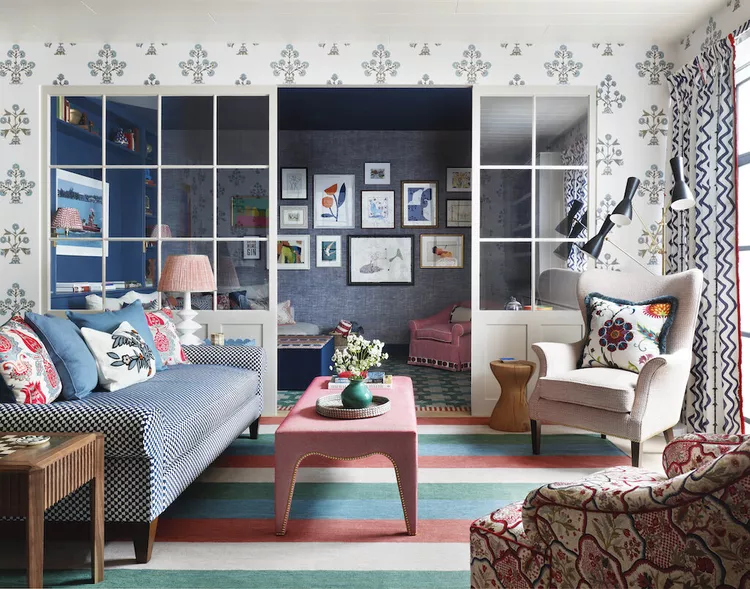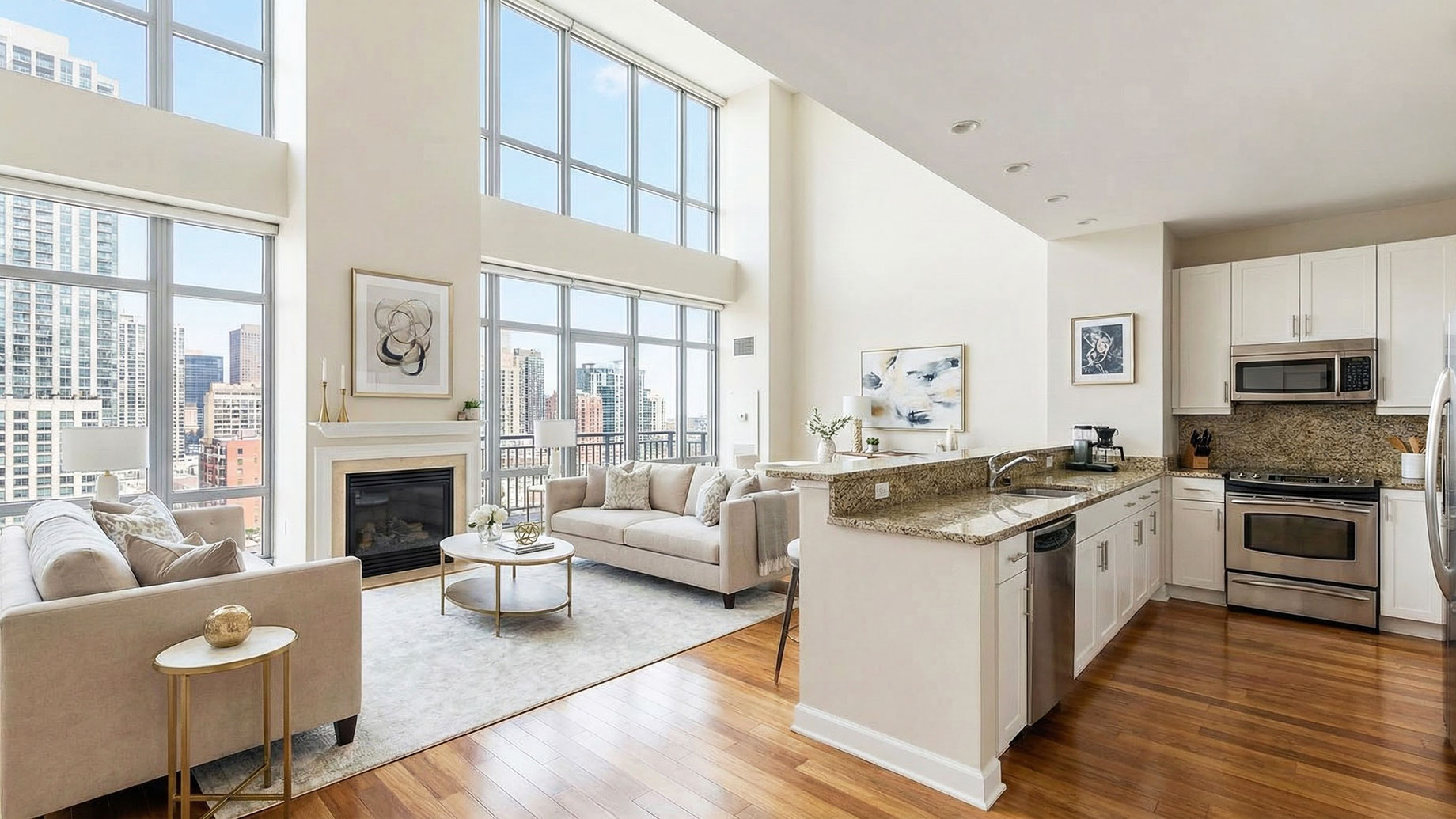
Walls can make a home feel smaller long before square footage does. Many American homeowners are learning that open concept living works best when it feels intentional, not when every room is stripped bare and left to echo. The appeal is easy to understand: fewer barriers, better light, easier hosting, and a daily rhythm that lets cooking, relaxing, dining, and conversation happen in one connected space.
The mistake comes when openness replaces design. A home still needs zones, quiet corners, storage, and visual weight. Without those, even an expensive renovation can feel like a furniture showroom after closing time. For homeowners comparing layouts, renovation ideas, or local design resources, a trusted publishing and home improvement network such as modern home planning guides can help connect ideas with practical next steps. The goal is not to make every space wide open. The goal is to make each space feel connected, useful, and calm.
Open Concept Living That Still Feels Like a Real Home
A connected floor plan should not erase the feeling of rooms. It should soften the borders between them. The best homes in the U.S. right now are not chasing empty space for its own sake. They are creating movement, light, and comfort without losing the small signals that tell you where cooking ends, where conversation begins, and where the family can settle down at night.
Why a Modern Open Floor Plan Needs Invisible Boundaries
A modern open floor plan works when your eye understands the room before your feet do. You should be able to walk in and sense the kitchen, dining area, and lounge without needing walls to explain them. Rugs, lighting, ceiling details, furniture backs, and flooring shifts can all do that work quietly.
A sofa can become a boundary without becoming a wall. In a suburban Dallas home, for example, placing a long sectional with its back toward the dining area can create a soft break between movie night and dinner without blocking light. The room stays connected, but the seating area no longer feels like furniture floating in a warehouse.
Ceiling height also changes the mood. A dropped beam over the kitchen island or a pair of pendant lights above a dining table gives the brain a stopping point. That little pause matters. A home without pauses feels restless.
How Spacious Home Interiors Avoid the Empty-Room Problem
Spacious home interiors can feel cold when every surface is pushed to the edge. Many people think a large room needs less furniture, but the opposite is often true. A wide-open area needs enough pieces to hold the space together.
A pair of lounge chairs near a window can create a morning coffee zone without competing with the main sofa. A console table behind seating can anchor the room while adding storage for books, baskets, or lamps. These details tell the space how to behave.
Scale matters more than style here. A tiny coffee table in a large living area looks nervous. A narrow rug under a huge sectional looks accidental. Choose pieces that match the room’s size, then leave breathing room around them. That balance makes openness feel generous instead of unfinished.
Designing Flow Between Kitchen, Dining, and Living Areas
Once the space has quiet boundaries, movement becomes the next test. A connected home fails fast when people bump into stools, squeeze around chairs, or carry hot dishes across awkward paths. Flow is not glamorous, but it decides whether the home feels natural on a Tuesday night.
Making Open Kitchen Design Work for Daily Life
Open kitchen design should support the way you cook, not the way a staged photo looks. A kitchen island facing the living area can be perfect for families who talk while making dinner. It can also become a clutter magnet if every backpack, mail stack, and snack wrapper lands there by default.
The smartest island has a clear job. It might hold prep space, casual seating, storage, or a sink, but it should not try to do everything at once. In a Chicago condo, a slim island with two stools may beat a huge island that blocks the path from the refrigerator to the dining table. More surface is not always better.
Sightlines also deserve respect. Nobody wants to stare at dirty pans from the sofa all night. A slightly raised counter edge, a deeper sink, or smart placement of the cleanup zone can keep the kitchen connected without making every mess part of the living room.
Using Living Room Layout Choices to Guide Movement
A living room layout can either invite people in or trap them at the edge. The difference often comes down to walkways. Leave clear paths from entry points to major seats, and avoid forcing guests to step through the middle of a conversation area.
Furniture should face people before it faces a television. That does not mean the TV disappears. It means the room should still work when the screen is off. Two chairs angled toward a sofa can create a better social setting than every seat pointing in one direction like a waiting room.
Traffic should move around the main seating group, not through it. This one choice changes the feel of the entire floor plan. When children, pets, and guests can pass without cutting between the sofa and coffee table, the room feels calmer without anyone knowing why.
Materials, Light, and Color That Hold the Space Together
After layout comes atmosphere. Open spaces expose every design decision at once, so materials need to speak to each other. A closed room can handle a dramatic shift in tone. A connected area needs more discipline because the kitchen cabinets, sofa fabric, dining chairs, floors, and wall color all share the same conversation.
Choosing Finishes for a Modern Open Floor Plan
A modern open floor plan does not need matching finishes everywhere. Matching everything can flatten the home and make it feel like a furniture package. The stronger move is repetition with variation.
Use one wood tone as the anchor, then echo it in smaller ways. White oak floors might connect to bar stools, a picture frame, or a dining bench. Black hardware in the kitchen can return through a lamp base or curtain rod. The room feels planned, not copied.
Contrast should appear with care. A navy kitchen island can look rich if the living area repeats that depth through pillows or artwork. A bold tile backsplash can work if nearby surfaces stay quieter. One loud finish can sing. Five loud finishes start shouting.
How Spacious Home Interiors Use Light as Structure
Spacious home interiors need layered light because one ceiling fixture cannot do the whole job. Natural light may flood the space during the day, but evening exposes weak planning. A room that looked bright at noon can feel flat after sunset.
Use lighting to mark zones. Pendants belong over islands, a chandelier or linear fixture can center the dining table, and lamps can warm the seating area. Recessed lights can support the space, but they should not carry the mood alone.
Window treatments also shape the room. Sheer curtains can soften a bright California living area without closing it off. Woven shades can add warmth in a Florida home where sunlight is strong for most of the year. Light is not only brightness. It is texture, timing, and control.
Privacy, Noise, and Comfort in Connected Homes
A home can look open and still feel exhausting. Sound travels. Smells travel. Mess travels. That does not mean the concept is flawed. It means comfort needs to be designed with the same care as beauty.
Solving Noise Without Building Walls Again
Open homes often reveal noise problems after move-in. The dishwasher runs during a movie. A blender interrupts a work call. Kids playing in the living area make the kitchen feel chaotic. Hard floors, bare windows, and flat ceilings make the issue worse.
Soft surfaces help more than people expect. Rugs, upholstered chairs, curtains, fabric lampshades, and even filled bookshelves absorb sound. You do not need to turn the home into a recording studio. You need enough texture to stop noise from bouncing across every surface.
Layout helps too. Place the loudest activities away from quiet seating when possible. A small reading chair near a window can create a retreat even in the same large room. Privacy does not always require a door. Sometimes it requires distance, softness, and a chair that faces away from the action.
Making Open Kitchen Design Feel Clean After Dinner
Open kitchen design demands better storage because mess has nowhere to hide. That sounds harsh, but it can work in your favor. When storage is planned well, the kitchen becomes easier to reset at the end of the day.
Deep drawers beat lower cabinets for many families because they show everything at once. Appliance garages can keep coffee makers, toasters, and blenders from taking over the counter. A walk-in pantry or cabinet pantry near the main prep area keeps the visible kitchen calmer.
The trick is to store items where they return naturally. Plates belong near the dishwasher. Cooking oils belong near the range. Lunch containers belong near the fridge. When storage follows behavior, cleanup stops feeling like punishment and starts feeling like closing the room for the night.
Conclusion
A connected home succeeds when it respects both beauty and behavior. The best layouts do not ask you to live like a magazine photo. They give you room to cook, talk, rest, host, and recover from the day without making the house feel chopped into boxes.
Open concept living is not about removing every wall. It is about deciding which connections make life better and which boundaries still earn their place. That judgment matters more than any trend because every family uses space differently. A retired couple in Arizona, a young family in Ohio, and a remote worker in North Carolina may all want openness, but they need different forms of it.
Start with how you move through the home on an ordinary day. Then plan zones, storage, lighting, and sound control around that truth. Design from real life first, and the room will look better because it finally works better.
Frequently Asked Questions
What is the best way to design an open concept home?
Start by creating clear zones for cooking, dining, and relaxing without closing them off. Use rugs, lighting, furniture placement, and ceiling details to shape each area. The best design feels connected while still giving every activity its own place.
How do you make an open floor plan feel cozy?
Add warmth through layered lighting, soft rugs, curtains, upholstered seating, and wood textures. Large rooms need visual anchors, so avoid pushing all furniture against the walls. A cozy open space feels gathered, not packed.
What are the biggest mistakes in open concept layouts?
The most common mistakes are poor furniture scale, weak storage, bad lighting, and no sound control. Many homeowners focus on removing walls but forget daily function. A beautiful open room still fails if it feels noisy, cluttered, or awkward to move through.
How should furniture be arranged in an open living area?
Arrange furniture around conversation first, then plan traffic paths around the seating. Use sofas, consoles, and rugs to define zones. Keep walkways clear so people can move through the home without stepping into the center of the living space.
Is an open kitchen a good idea for families?
An open kitchen can work well for families because it keeps cooking, homework, and conversation connected. It needs smart storage and easy cleanup zones, though. Without those, daily clutter becomes visible from almost every angle.
How can you reduce noise in an open concept home?
Use rugs, curtains, upholstered furniture, bookshelves, and textured decor to absorb sound. Place noisy appliances away from quiet seating when possible. Even small soft surfaces can make a large connected space feel calmer and more comfortable.
What colors work best in open concept interiors?
Warm neutrals, soft whites, muted greens, natural wood tones, and gentle grays work well because they connect spaces without feeling flat. Add deeper colors through islands, artwork, chairs, or textiles so the room has depth.
Does open concept design increase home value?
Open layouts often appeal to U.S. buyers when they feel bright, practical, and well planned. Value depends on the market, home size, and execution. A connected layout with storage, good flow, and flexible zones usually has stronger buyer appeal.