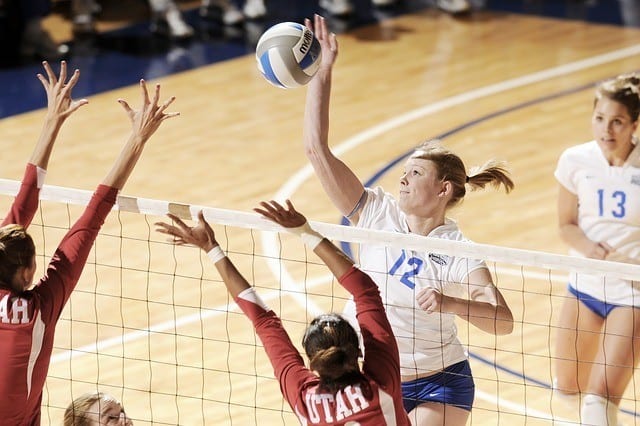
A volleyball team can look talented in warmups and still fall apart once the ball starts moving fast. That gap is where Volleyball Drills matter most, especially for USA school teams, club programs, rec leagues, and adult players trying to build trust under pressure. Strong players do not win points alone. They win because the passer knows where the setter will be, the hitter trusts the tempo, and the back row talks before the ball becomes a problem. Good training turns six separate athletes into one moving unit. That is also why local coaches, sports bloggers, and community programs often connect player development with broader youth sports growth strategies that help teams build better habits on and off the court. The best practices do not feel fancy. They feel clear, sharp, and repeatable. A team that communicates early, moves together, and handles mistakes without panic becomes harder to break. Not louder. Not flashier. Harder to break. That is the real goal.
Building the First Layer of Trust Through Passing and Movement
Every strong volleyball team starts with the same quiet agreement: the first contact cannot be treated like someone else’s problem. Passing and movement set the tone before hitters ever swing. When players learn to read the ball together, they stop chasing and start covering space with purpose.
Why serve receive drills shape the entire rally
Serve receive drills are not only about getting the ball to the setter. They teach players how to own space without fighting each other for the same ball. In a high school gym in Ohio, for example, one weak seam between two passers can give away six points before a coach even calls timeout.
A smart drill starts with three passers and one server. The server aims at seams, short zones, and deep corners. Passers must call early, move their feet before their arms, and finish balanced. The setter target does not move to rescue poor passes. That small rule tells the truth fast.
The unexpected part is that perfect passing is not the only goal. Coaches should reward correct decisions even when the ball is not perfect. A clean “mine” call with a playable pass builds more team coordination than a silent perfect pass that no one can explain.
Turning footwork into shared timing
Footwork looks personal, but in volleyball it has a group effect. One slow first step from left back can force middle back to drift, which then opens a tip behind the block. The mistake starts small and spreads across the court.
A useful movement drill places six players in base defense with a coach tossing balls to different zones. Players do not touch the ball at first. They only move, stop, call their responsibility, and reset. It feels too simple for about three minutes. Then everyone notices who reacts late.
This kind of work builds volleyball teamwork because players begin to see the court as connected lanes, not private squares. When the ball moves, everyone moves. When one player covers short, another protects deep. That rhythm cannot be faked during a match.
Volleyball Drills That Strengthen Court Communication
Communication is not noise. Loud teams can still be confused teams. The better goal is useful court communication: early calls, clear ownership, and short words that help someone make the next play faster.
Training players to talk before the emergency
Court communication must start before the ball crosses the net. Players should call server tendencies, open spots, hitter approach angles, and block positions before the play gets messy. Waiting until the ball drops is not communication. It is regret with volume.
A strong drill is the “three-call rally.” Before each contact, the player must say one useful word or phrase: “short,” “line,” “help,” “outside,” “free,” or “deep.” If the team stays silent, the rally stops even if the ball remains alive. That feels strict, but it teaches urgency.
The counterintuitive truth is that fewer words often work better. A team does not need speeches during a rally. It needs fast signals that remove doubt. One clear call beats five panicked voices every time.
Making mistake recovery part of practice
Many teams communicate well when everything works. The test comes after a shanked pass, a missed block touch, or a setter pulled ten feet off the net. That is when quiet frustration can poison the next point.
Create a broken-play drill where the coach intentionally sends ugly balls into awkward spaces. A passer may be forced off balance. The setter may need to bump set. The hitter may need to roll shot instead of swing hard. The point counts only if the team keeps talking through the mess.
This is where team coordination becomes emotional, not only technical. Players learn that a bad first touch is not the end of the rally. It is a new problem to solve together. Teams that understand that stay dangerous even on ugly points.
Connecting Setters, Hitters, and Coverage Players
The setter-hitter connection gets attention because it creates kills, but the players around them decide whether that connection survives pressure. Coverage, transition, and tempo all depend on habits that must be trained together. A hitter cannot swing freely if nobody covers the block.
Building rhythm between setters and attackers
Setter-hitter drills should not always begin with perfect tosses. Real rallies rarely offer perfect conditions. A setter may sprint from right back, square late, and still need to give an outside hitter a hittable ball against a formed block.
One drill starts with a coach serving to passers, then forcing the setter to choose between outside, middle, or right side based on pass quality. Hitters must call availability early, then adjust their approach without complaining about the set. That last part matters more than some players like to admit.
For American club teams playing long tournament days, this drill pays off late. Tired players often lose timing first, not effort. When the setter and hitters have trained imperfect rhythm, they can still score when legs feel heavy and the gym is loud.
Teaching coverage as an attacking habit
Coverage is the least glamorous part of offense until it saves a point that should have been dead. Many young hitters swing, land, and admire the result. Better teams treat every attack like it might come back.
A strong coverage drill uses three attackers, one setter, and blockers on boxes or at the net. After every attack, the off-hitters and back-row players must fill assigned cover spots. If a blocked ball lands untouched, the attacking side loses two points. That penalty makes the lesson stick.
The surprise is that coverage can make hitters more confident. When attackers trust the floor behind them, they swing with better intent. They do not play scared of the block. Good support gives aggressive players permission to stay aggressive.
Turning Practice Energy Into Match-Ready Team Habits
A team can run clean drills for an hour and still freeze during a tight fifth set. The missing piece is pressure. Practice must create enough stress that match behavior feels familiar when the scoreboard gets uncomfortable.
Adding score pressure without creating panic
Pressure drills should teach calm, not fear. A coach can start a wash drill at 20-20, where a team must win two rallies in a row to earn one point. If they split the rallies, the score resets. Players learn fast that one good touch is not enough.
This format works because it rewards sustained focus. A team cannot celebrate early after one strong swing. It must serve, defend, transition, and close the next ball. That mirrors real match tension better than a long casual scrimmage.
Serve receive drills can also carry pressure. Put passers at 23-23 and require two playable passes out of three before rotating. Missed communication means the group repeats the round. The goal is not punishment. The goal is learning how to breathe when the gym gets tight.
Building a weekly practice rhythm players can trust
Great practices do not need chaos to feel productive. Players improve faster when the weekly rhythm makes sense. A Monday session might focus on ball control and movement. Wednesday can sharpen offense and transition. Friday can bring pressure scoring and match situations.
This structure helps coaches avoid the common trap of chasing last game’s mistakes for an entire week. One bad blocking night does not mean the team should ignore passing, serving, and court communication. The game is too connected for that.
The best habit is ending each practice with one team standard that carries into the next session. It might be “call seams early” or “cover every swing.” Small standards compound. Over a season, they become the personality of the team.
Conclusion
Better volleyball does not come from stuffing practice with more activity. It comes from choosing work that forces players to see each other, hear each other, and respond before the point slips away. Coaches in USA schools, clubs, and local leagues should stop treating teamwork as a speech before the match. It has to be trained through passing lanes, setter choices, coverage spots, pressure scoring, and honest recovery after mistakes. Volleyball Drills work best when they create shared habits players can trust under stress. The teams that grow fastest are not always the tallest or strongest. They are the ones that know where help is coming from before they need it. Start with one weak link in your team rhythm this week, build a drill around it, and demand clarity until the habit holds. That is how a group becomes a team when the ball is still in the air.
Frequently Asked Questions
What are the best volleyball practice drills for beginners?
Start with passing triangles, partner pepper, target serving, and simple three-contact rallies. Beginners need clean repetition before complex systems. Focus on footwork, early calls, platform control, and playable balls. Fancy drills can wait until players understand spacing and responsibility.
How do volleyball teams improve communication during practice?
Teams improve communication by practicing short, useful calls during every drill. Coaches should stop silent rallies, reward early ownership, and teach players which words matter. Calls like “mine,” “short,” “deep,” “help,” and “free” give teammates fast information they can act on.
How often should a volleyball team practice coordination drills?
Most teams should train coordination in every practice, even for ten minutes. It does not need to be a separate block every time. Passing, transition, coverage, and serve receive can all include coordination goals if players are held accountable for movement and talk.
What volleyball drills help with serve receive under pressure?
Pressure serve receive drills work best when they include scoring. Set the score at 23-23, require passers to complete two good passes out of three, or make the group repeat after a seam mistake. Pressure teaches players to stay calm and clear.
How can setters and hitters build better timing?
Setters and hitters build timing through repeated reps from imperfect passes, not only perfect tosses. Hitters should call early, adjust their approach, and learn different tempos. Setters should practice squaring their body and giving hittable balls from tough court positions.
What is the easiest way to teach defensive coverage?
Start by assigning clear coverage spots after every attack. Use blockers or coaches to send balls back off the block, then reward players who fill space fast. Coverage becomes easier when players know exactly where to go before the hitter swings.
Why does team coordination matter more than individual skill?
Individual skill wins moments, but team coordination wins long rallies. Volleyball depends on linked decisions. One player’s pass affects the setter, hitter, blocker, and coverage players. When those links are strong, the team can survive pressure and turn broken plays into points.
How can coaches make volleyball practice more game-like?
Coaches can add score pressure, serve-initiated rallies, limited contacts, and consequence-based goals. Game-like practice should include imperfect balls, fast transitions, and communication demands. Players need to feel match speed in training before they can handle it in competition.